Proper Use and Common Issues of Fireproof Boards
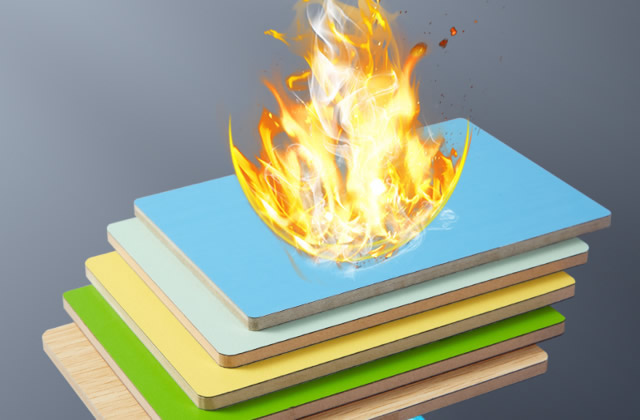
Fireproof boards, also known as HPL fireproof boards, fire-resistant decorative boards, high pressure laminate sheets, or HPL panels, are widely used in furniture, countertops, kitchen cabinets, interior wall panels, commercial counters, and public building decoration.
These boards are valued for heat resistance, moisture resistance, stain resistance, chemical resistance, impact resistance, and easy cleaning. However, performance depends not only on the board itself, but also on correct substrate selection, adhesive application, temperature control, pressing, bending, and installation workmanship.
If fireproof boards are installed incorrectly, common problems such as cracking, bubbling, poor adhesion, edge lifting, warping, delamination, uneven surfaces, and glue failure may appear. This guide explains the main causes and practical solutions for proper fireproof board installation.
Quick Answer: How to Prevent Fireproof Board Installation Problems
To prevent bubbling, cracking, and poor adhesion, keep the substrate flat, clean, dry, and properly acclimated before bonding. Apply the correct adhesive evenly, respect the adhesive open time, control bending temperature and residence time, press the board evenly, and allow enough curing time before trimming or heavy use.
Most fireproof board failures are related to substrate moisture, dirty surfaces, incorrect adhesive selection, uneven glue coverage, insufficient rolling pressure, temperature changes, or lack of expansion allowance. Careful preparation is more important than repair after failure occurs.
Common Issues in Fireproof Board Application
1. Cracking or Breaking During Bending
Cracking or breaking can occur when a fireproof board is bent, shaped, or post-formed under unsuitable conditions. The most common causes include low bending plate temperature, insufficient residence time, excessive bending radius, fast removal from the forming equipment, or using a board type that is not suitable for bending.
When the board does not receive enough heat and time to soften properly, internal stress increases and the decorative surface or core may crack.
Solution: Optimize Temperature, Time and Bending Radius
Before bending, confirm that the selected fireproof board is suitable for forming. Adjust the bending machine plate to the recommended temperature for the material, allow enough residence time, and avoid forcing the board beyond its bending limit.
For stable results, test a sample first, especially when working with thick HPL boards, compact laminate, textured surfaces, or custom decorative fireproof panels.
2. Bubbling on the Fireproof Board Surface
Bubbling is one of the most common fireproof board installation problems. It can appear as small raised spots, long air pockets, weak bonding areas, or surface blistering after installation.
Common causes of bubbling include:
Excessive temperature during bending or pressing.
Overly long residence time on the bending machine plate.
Insufficient adhesive coverage on the board or substrate.
Adhesive open time exceeded before bonding.
Dirty, oily, dusty, uneven, or wet substrate surface.
Substrate and HPL board not acclimated to the same environment.
Inadequate rolling pressure after bonding.
Bubbling affects both appearance and bonding strength. If not handled early, it may develop into peeling, edge lifting, or delamination.
Solution: Control Adhesive, Temperature and Pressure
Use the recommended adhesive and apply it evenly across the full bonding surface. Make sure the substrate is flat, dry, clean, and free from dust, grease, oil, loose particles, old adhesive, and high or low spots.
After placing the fireproof board on the substrate, press or roll the entire panel evenly to remove trapped air and improve adhesive transfer. Avoid installing in extreme cold, excessive humidity, or unstable temperature conditions.
3. Poor Adhesion or Edge Lifting
Poor adhesion often appears as loose edges, hollow sounds, local detachment, or weak bonding between the HPL fireproof board and substrate. This may result from the wrong adhesive, insufficient glue, excess glue, short pressing time, expired adhesive, or incompatible substrate material.
Edge lifting is especially common around sinks, countertops, cabinet edges, humid areas, and panels exposed to repeated heat and moisture changes.
Solution: Match Adhesive with Substrate and Application
Select adhesive according to the board type, substrate, expected service environment, and fire performance requirements. Follow the adhesive manufacturer’s instructions for coating amount, open time, pressure, temperature, and curing time.
For high-humidity or heavy-use areas, pay special attention to edge sealing, substrate moisture content, and continuous pressure during curing.
Troubleshooting Table for Fireproof Board Problems
| Problem | Common Cause | Recommended Solution |
| Cracking | Low bending temperature, short residence time, excessive bending radius, wrong board type. | Test samples first, use correct forming temperature, allow enough heating time, and avoid forced bending. |
| Bubbling | Uneven glue, trapped air, moisture, dirty substrate, poor rolling pressure, excessive temperature. | Prepare substrate carefully, apply adhesive evenly, follow open time, and roll the full panel surface. |
| Delamination | Moisture imbalance, incompatible substrate, wrong adhesive, weak pressure during curing. | Acclimate board and substrate, choose compatible adhesive, and maintain proper pressurizing time. |
| Edge lifting | Insufficient edge glue, water exposure, poor sealing, thermal movement. | Seal edges, protect sink areas, apply enough adhesive, and avoid standing water at joints. |
| Uneven surface | Substrate high spots, dust, old glue, loose particles, poor sanding. | Sand, clean, dry, and inspect the substrate before applying the fireproof board. |
Importance of Substrate Selection
The substrate is the foundation of fireproof board installation. Even high-quality HPL fireproof board can fail if it is bonded to an unstable, wet, dusty, warped, or incompatible base material.
1. Moisture Content
Substrate moisture should be controlled before installation. For many wood-based substrates, a moisture content around 12% is often used as a practical reference. If the substrate is too dry, bonding strength may be affected. If it is too wet, warping, swelling, bubbling, or delamination may occur later.
Fireproof boards and substrates should be stored flat and acclimated in the same indoor environment before bonding. This helps reduce movement caused by different humidity levels.
2. Flatness and Surface Condition
The substrate should be flat, non-warped, smooth, and well-polished. The surface must be free from dust, oil stains, water, loose particles, paint residue, old adhesive, and other contaminants.
Even small bumps or depressions can cause uneven adhesive distribution and visible surface defects after the fireproof board is applied.
3. Adhesive Compatibility
Adhesive must be compatible with both the fireproof board and the substrate. Urea-formaldehyde resin glue, contact adhesive, white latex, and other industrial adhesives may be used depending on the application, production method, substrate type, and required bonding strength.
For fire-rated assemblies, the adhesive should not reduce the fire performance of the complete system. For important projects, verify the full assembly requirements instead of relying only on the fire rating of one component.
Installation Guide for Fireproof Boards
Step 1: Choose High-Quality Adhesive and Tools
Select high-quality adhesive and appropriate construction tools before installation. Common substrates include blockboard, MDF, particleboard, plywood, mineral board, and other engineered panels. The final choice should depend on moisture conditions, fire performance requirements, panel size, and end-use application.
Use suitable cutting tools, rollers, scrapers, clamps, and pressing equipment. Sharp carbon steel or carbide tools can help produce cleaner edges and reduce chipping.
Step 2: Prepare the Substrate Surface
Before applying adhesive, inspect the substrate. Sand high spots, fill low areas if needed, remove loose particles, and make sure the surface is dry and clean. If the substrate is highly porous, follow adhesive manufacturer recommendations for primer or pre-treatment.
Step 3: Apply Adhesive Evenly
Apply adhesive evenly on the required bonding surfaces according to the adhesive instructions. For many decorative board applications, both the back of the fireproof board and the substrate surface require uniform adhesive coverage.
If the substrate is uneven or has low absorption, a second coat may be needed to ensure complete coverage. Avoid both insufficient adhesive and excessive adhesive, as both can cause bonding failure or bubbling.
Step 4: Allow Correct Open Time or Evaporation Time
Allow the adhesive to evaporate or reach the correct bonding state as specified by the adhesive manufacturer. Open time varies according to adhesive type, season, humidity, room temperature, coating thickness, and ventilation.
Do not bond too early while the adhesive is still too wet, and do not wait so long that the adhesive loses bonding strength.
Step 5: Attach and Press the Fireproof Board
Carefully align the fireproof board with the substrate and place it in position. Press from the center toward the edges with a roller, cloth, or press machine to remove trapped air and ensure full adhesive transfer.
For larger boards, two or more workers may be needed to avoid misalignment, wrinkles, uneven pressure, or accidental contamination.
Step 6: Cure, Trim and Clean
After bonding, allow the adhesive to cure fully before heavy processing or use. Then trim excess edges, finish corners, remove glue residue, and clean the surface with suitable tools and non-abrasive materials.
For industrial adhesives such as urea-formaldehyde glue or white latex, longer pressurizing time may be required. The original guideline of 12 hours at 25°C to 30°C can be used as a reference, but adhesive manufacturer instructions should always take priority.
Applications of Fireproof Boards
Fireproof boards are available in flat, bendable, post-forming, compact, and decorative varieties. Surface finishes may include high gloss, matte, textured, wood grain, stone pattern, solid color, anti-fingerprint, and chemical-resistant finishes.
Common applications include:
Kitchen cabinets and cabinet doors.
Countertops, worktops, and table surfaces.
Office furniture and commercial counters.
Interior wall cladding and decorative panels.
Hospital, laboratory, school, and public facility surfaces.
Retail fixtures, hotel furniture, and high-traffic commercial interiors.
Best Practices for Effective Use of Fireproof Boards
Choose the Appropriate Substrate
Select the substrate according to project requirements. MDF, particleboard, plywood, blockboard, gypsum board, calcium silicate board, and mineral substrates each have different moisture behavior, dimensional stability, and bonding requirements.
Choose the Right Adhesive
Super glue or contact adhesive may be used for some residential decorative applications. Dehydrated urea-formaldehyde glue is often used in industrial production. White latex may be suitable for certain civilian uses. The correct adhesive depends on substrate type, application environment, press method, and performance requirement.
Apply Adhesive Correctly
Spread adhesive evenly on the substrate and the back of the decorative fireproof board as required. Allow the adhesive to set for the correct period before pressing. For some contact adhesive applications, 5 to 10 minutes may be used as a practical reference, but the exact time should follow the adhesive instructions and jobsite conditions.
Allow for Temperature and Humidity Movement
Fireproof boards and substrates can expand and contract with temperature and humidity changes. Store materials flat, acclimate them before installation, and allow appropriate expansion space where panels meet walls, frames, moldings, fixtures, or other panels.
Protect Edges and Wet Areas
Edges, sink cutouts, joints, and backsplashes are the most vulnerable areas in kitchen, bathroom, laboratory, and commercial counter applications. Seal exposed edges and prevent standing water from entering the substrate.
Conclusion
Fireproof boards are versatile decorative materials for furniture, cabinets, countertops, wall panels, and commercial interiors. Their long-term performance depends on correct substrate selection, proper adhesive use, controlled temperature and humidity, full surface pressure, and careful edge treatment.
By understanding common issues such as cracking, bubbling, poor adhesion, delamination, and edge lifting, installers can prevent costly rework and achieve a cleaner, stronger, and more durable fireproof board installation.
FAQ About Fireproof Board Installation and Common Problems
Why do fireproof boards bubble after installation?
Fireproof boards may bubble because of uneven adhesive coverage, trapped air, wet or dirty substrate, excessive heat, expired adhesive open time, poor rolling pressure, or moisture imbalance between the HPL board and substrate.
How can I prevent HPL fireproof board cracking during bending?
Use a bendable or post-forming grade board when required, heat the bending plate to the proper temperature, allow enough residence time, avoid excessive bending radius, and test a sample before mass production.
What substrate is best for fireproof board bonding?
Common substrates include MDF, particleboard, plywood, blockboard, and mineral boards. The best substrate depends on the application. It should be flat, dry, clean, dimensionally stable, and compatible with the adhesive and HPL fireproof board.
What adhesive should be used for fireproof boards?
Adhesive selection depends on substrate, environment, press method, and fire performance requirements. Contact adhesive, urea-formaldehyde resin glue, white latex, or other industrial adhesives may be used in different situations. Always follow adhesive manufacturer guidance.
Can fireproof board be used for kitchen countertops?
Yes. Fireproof board is widely used for kitchen countertops, cabinet surfaces, and backsplashes because it offers heat resistance, stain resistance, moisture resistance, and decorative design options. Sink cutouts and exposed edges should be sealed carefully.
How long should fireproof board adhesive cure before use?
Curing time depends on adhesive type, room temperature, humidity, coating thickness, and press method. Some industrial applications may require long pressurizing times, such as 12 hours at 25°C to 30°C, while other adhesives have different requirements.
 Русский
 English
 العربية
 Français
 Español
 Português
 Deutsch
 italiano
 日本語
日本語 한국어
한국어 Nederlands
 Tiếng Việt
 ไทย
ไทย Polski
 Türkçe
 አማርኛ
አማርኛ Bahasa Melayu
 தமிழ்
தமிழ் Filipino
 Bahasa Indonesia
 magyar
 Română
 Монгол
 қазақ
қазақ Српски
 हिन्दी
 فارسی
فارسی Kiswahili
 Slovenčina
 Slovenščina
 Svenska
 українська
 Ελληνικά
 Suomi
Suomi Հայերեն
 עברית
עברית اردو
اردو Shqip
Shqip বাংলা
বাংলা Hrvatski
 Afrikaans
 Māori
Māori සිංහල
සිංහල Oʻzbekcha
 latviešu
 Беларуская мова
 Bosanski
 Български
 ქართული
 Lietuvių
 Malti
Malti Runasimi