What Is Laboratory Furniture?
Laboratory furniture is a purpose-designed system of workbenches, worktops, storage cabinets, shelving, sinks, service fixtures and supporting structures used in scientific, medical, educational and industrial laboratories.
Unlike ordinary office furniture, a laboratory bench must be selected according to chemical exposure, equipment loads, vibration sensitivity, cleaning procedures, workflow, ergonomics and the required water, gas, electricity, data and ventilation services.
POLYBETT supplies customized laboratory benches, science workstations and chemical-resistant phenolic laminate worktops for chemistry laboratories, biology laboratories, physics laboratories, hospitals, medical testing centers, schools, universities, pharmaceutical facilities and industrial quality-control laboratories.
Available configurations include wall benches, island benches, electronic laboratory workstations, school science tables, hospital work tables and fabricated chemical-resistant laboratory countertops. Dimensions, frame structures, cabinet layouts, worktop materials, colors and service openings can be customized according to project drawings.
Planning a school, hospital, research or industrial laboratory?
Send your laboratory floor plan, bench quantity, dimensions, worktop requirements, cabinet layout, utility requirements and destination. POLYBETT can evaluate a suitable laboratory furniture configuration and provide project pricing.
Request a Laboratory Furniture Quote
POLYBETT Laboratory Furniture Product Range
Laboratory Benches and Workstations
Laboratory benches combine a supporting frame, chemical-resistant worktop, storage cabinets and optional service components. Configurations can be developed for chemistry, biology, physics, electronics, medical testing and school science applications.
View Laboratory Benches
Chemical-Resistant Laboratory Table Tops
Laboratory table tops are available in compact phenolic laminate with specialized surfaces for improved resistance to specified acids, alkalis, solvents, stains and frequent cleaning.
View Laboratory Table Tops
Wall Laboratory Benches
Wall benches are installed along laboratory walls and can incorporate base cabinets, sinks, faucets, reagent shelving, electrical sockets and service outlets. They are suitable for routine sample preparation, washing, storage and instrument support.
Island Laboratory Benches
Island benches provide working access from both sides and can accommodate shared shelving, sinks, service spines, electrical outlets and storage cabinets. They are commonly used in teaching, chemistry and research laboratories.
Electronic and Instrument Laboratory Workstations
Electronic laboratory workstations can include integrated sockets, data ports, cable management, equipment shelving and adjustable storage. Sensitive instruments may require anti-vibration features or a separate balance table.
School Science Laboratory Furniture
School laboratory furniture can be configured for chemistry, biology, physics and general STEM classrooms. Student workstations, teacher demonstration tables, sinks, service outlets and storage should be selected according to student age, class size and local safety requirements.
Medical and Hospital Laboratory Furniture
Medical laboratory work tables can be used in pathology rooms, diagnostic laboratories, dental rooms, dialysis facilities, nurses’ stations and sample-processing areas when the selected surface and cleaning compatibility meet the project requirements.
Typical Laboratory Furniture Specifications
The following specifications represent common POLYBETT laboratory furniture options. Final dimensions, materials, load capacity, utility configuration, MOQ and lead time should be confirmed for each project.
| Item | Typical Option |
| Product category | Laboratory bench, laboratory workstation and laboratory table top |
| Bench configuration | Wall bench, island bench, electronic bench, school workstation or medical work table |
| Frame material | Powder-coated SPCC cold-rolled steel or customized supporting structure |
| Worktop material | Chemical-resistant compact phenolic laminate |
| Common worktop thickness | 12.7mm, 15mm and 16mm |
| Common worktop colors | Grey, green, black, white and customized colors |
| Bench dimensions | Customized according to floor plan, working height, equipment and user requirements |
| Cabinet options | Suspended, mobile or floor-supported drawers and cabinets |
| Shelving options | Single-tier, double-tier or customized reagent shelving |
| Utility options | Water, gas, electricity, data, compressed air and drainage openings according to drawings |
| Sink options | Laboratory sinks, faucets, drainage fittings and pegboards subject to project requirements |
| Fabrication | Worktop cutting, drilling, sink cut-outs, service holes and CNC machining |
| Customization | Dimensions, frame, cabinet layout, worktop, color, shelving and utility configuration |
| Typical MOQ | Approximately 10 units or sets; final MOQ depends on configuration |
| Typical production time | Approximately 25 days, subject to drawings, quantity and production schedule |
Main Components of a Laboratory Bench System
Laboratory Worktop
The worktop is selected according to chemical exposure, heat, impact, abrasion, moisture, equipment loads and cleaning requirements. Chemical-resistant compact phenolic laminate is suitable for many educational, medical and general research laboratories.
Bench Frame
The frame transfers worktop, equipment and storage loads to the floor. Steel frames can be designed as C-frame, H-frame or other project-specific structures with adjustable feet.
Base Cabinets and Drawers
Under-bench cabinets provide storage for glassware, consumables, instruments and non-hazardous supplies. Chemical, flammable, gas-cylinder and hazardous-material storage requires specialized cabinets selected under the applicable safety rules.
Reagent Shelves
Reagent shelving can increase vertical storage and provide convenient access to frequently used materials. Shelf loads, chemical compatibility and spill-retaining details should be confirmed before specification.
Sinks and Water Fixtures
Sink modules can include laboratory faucets, drainage, cup sinks and pegboards. Sink material must be compatible with the expected chemicals, water temperature and cleaning products.
Electrical and Data Services
Power sockets, data outlets, cable channels and equipment connections can be integrated into laboratory workstations. Electrical design and installation must follow applicable local requirements.
Gas and Compressed-Air Services
Gas, vacuum and compressed-air outlets must be selected for the intended media and installed by qualified specialists. Final service locations should be coordinated with the laboratory equipment and workflow.
Laboratory Bench Configurations
| Bench Type | Typical Use | Main Planning Considerations |
| Wall bench | Sample preparation, washing, storage and routine equipment | Wall services, cabinet access, sinks and circulation space |
| Island bench | Shared chemistry, biology and teaching workstations | Two-sided workflow, utilities, aisle width and emergency access |
| Instrument table | Analytical equipment, monitors and laboratory instruments | Equipment weight, heat output, vibration and cable management |
| Electronic workstation | Electronics, physics, testing and data acquisition | Power, data, static-control requirements and equipment shelving |
| Mobile laboratory table | Flexible laboratories and changing research workflows | Locking castors, load capacity and flexible service connections |
| Height-adjustable bench | Multi-user laboratories and ergonomic workstations | Adjustment range, equipment load and flexible utilities |
| Balance table | Balances, microscopes and vibration-sensitive equipment | Vibration isolation, floor condition and nearby equipment |
| Teacher demonstration table | School science instruction and demonstrations | Visibility, service controls, storage and student separation |
How to Choose a Laboratory Worktop Material
| Worktop Material | Main Advantages | Typical Limitations |
| Chemical-resistant phenolic laminate | Machinable, moisture resistant, decorative, relatively lightweight and suitable for many laboratories | Resistance to highly aggressive chemicals and prolonged heat must be verified |
| Epoxy resin | Strong resistance to many chemicals, moisture and heat | Heavy, generally more expensive and harder to modify on site |
| Stainless steel | Cleanable, heat resistant and suitable for many biological or medical applications | Can scratch and may be affected by chlorides or specified acids |
| Polypropylene | Strong resistance to many acids, alkalis and moisture | Lower heat, rigidity and scratch performance |
| Ceramic or stoneware | Strong chemical and heat performance | Heavy, brittle and difficult to modify |
| Standard decorative HPL | Economical and available in many colors | Not suitable for demanding chemical exposure unless specifically tested |
For laboratory-grade worktop material, review the POLYBETT Chemical Resistant Laminate category.
Laboratory Applications
| Laboratory Type | Typical Furniture Requirements |
| Chemistry laboratory | Chemical-resistant worktops, sinks, service fixtures, ventilation coordination and suitable chemical storage |
| Biology laboratory | Easy-clean surfaces, sinks, instrument tables and storage for samples and consumables |
| Physics laboratory | Electrical services, equipment shelving, cable management and stable work surfaces |
| Electronics laboratory | Integrated power, data, lighting and optional electrostatic-control measures |
| Medical laboratory | Cleanability, disinfectant compatibility, ergonomic workflow and sample-processing areas |
| Pharmaceutical laboratory | Project-specific cleanability, chemical resistance and controlled utility integration |
| School science laboratory | Student workstations, teacher demonstration table, controlled services and durable surfaces |
| Industrial quality-control laboratory | Heavy equipment support, process-chemical compatibility and flexible storage |
| Food testing laboratory | Easy-clean surfaces and separately confirmed hygiene or food-contact requirements |
| Research and development laboratory | Modular benches, mobile storage, adaptable utilities and equipment-specific layouts |
Laboratory Planning and Layout Considerations
Laboratory Workflow
The layout should follow the movement of personnel, samples, equipment, waste and clean materials. Frequently connected tasks should be positioned together without obstructing emergency routes or circulation.
Aisles and Emergency Access
Aisle widths, door access, emergency equipment and clear escape routes must be determined according to the applicable local regulations and the expected number of users.
Fume Hood Coordination
Laboratory benches should be coordinated with the selected fume hood and ventilation system. Fume hood placement must consider doors, busy walkways, supply-air outlets and nearby equipment that could disturb containment airflow.
Equipment Dimensions and Loads
Provide equipment dimensions, operating weight, heat output, service requirements and maintenance clearances before finalizing the workbench layout.
Utility Distribution
Water, drainage, gas, electricity, data and exhaust connections should be coordinated before production. Service access should remain available for inspection and maintenance.
Ergonomics and Accessibility
Working height, knee clearance, reach distance, seating, equipment position and height-adjustable options should be selected for the intended users and applicable accessibility requirements.
Future Flexibility
Modular frames, mobile cabinets and accessible utility connections can simplify future laboratory changes when equipment, research programs or teaching methods are updated.
Chemical Resistance and Laboratory Safety
Chemical resistance depends on the exact reagent, concentration, temperature, contact time, cleaning method and worktop grade. A surface should not be described as resistant to every acid, alkali or solvent.
Before selecting a worktop, provide a complete chemical list and identify whether spills will be removed immediately or may remain underneath equipment or containers for an extended period.
Laboratory furniture does not replace ventilation, personal protective equipment, chemical storage systems, emergency showers, eyewash stations or written laboratory safety procedures.
Fire classification, antibacterial performance, electrostatic-control performance and environmental certification are separate properties. Request the applicable test report for the exact product when any of these features are mandatory.
How to Specify Custom Laboratory Furniture
Provide the laboratory type. Identify whether the project is for chemistry, biology, physics, medical, pharmaceutical, school or industrial use.
Submit a floor plan. Include room dimensions, doors, windows, columns, utilities and fixed equipment.
List all laboratory equipment. Provide dimensions, weights, heat output and service connections.
Define the bench configuration. Specify wall benches, island benches, instrument tables, mobile tables or student workstations.
Select the worktop. Provide the chemical list, expected heat, equipment loads and cleaning procedure.
Define storage requirements. Identify drawers, cabinets, mobile units, shelving and specialized storage.
Provide utility requirements. List water, drainage, gas, electricity, data, vacuum and compressed air.
Confirm ergonomics. Specify working heights, seating, knee space, adjustable-height areas and accessibility requirements.
Select colors and finishes. Approve physical samples before mass production.
Provide compliance requirements. List relevant furniture, electrical, plumbing, ventilation, fire and local building requirements.
Confirm packaging and installation scope. State whether the order requires assembled units, flat-pack delivery, installation drawings or on-site support.
POLYBETT Laboratory Products
Professional Phenolic Laminate Laboratory Table Top
Chemical-resistant compact phenolic laminate worktops for chemistry laboratories, biology laboratories, hospitals, school laboratories and testing facilities. Common thicknesses include 12.7mm, 15mm and 16mm.
View Laboratory Table Top
Chemistry, Physics and Biology Laboratory Workbench
A customized steel-and-phenolic-laminate workbench for science laboratories, research facilities, schools, hospitals and professional laboratory workstations.
View Science Laboratory Bench
Phenolic Resin Chemistry Laboratory Bench
A chemistry work table with a steel supporting structure and chemical-resistant phenolic laminate top for laboratory, medical and research applications.
View Chemistry Laboratory Bench
Electronic Laboratory Workstation
A customized electronic laboratory bench for physics, electronics, testing, research and educational environments requiring integrated equipment and service planning.
View Electronic Lab Workstation
School and Medical Science Workstation
A laboratory work table for schools, hospitals, medical laboratories, scientific research institutions and professional science workspaces.
View School and Medical Work Table
Laboratory Furniture Colors and HPL Designs
Grey, green, black and white are commonly selected for chemical-resistant laboratory worktops. POLYBETT also provides solid colors, wood grains and other decorative HPL options for school laboratories, administrative areas and customized laboratory furniture.
The following images are reference designs retained from the existing page. Chemical-resistant or laboratory-grade surface availability must be confirmed for each design. Screen settings, lighting and production batches can affect color appearance, so physical sample approval is recommended.

U121014

U121015

U121016

M118003

U121018

U121013

U121017

U121019

U121021

U121024

E229001

U121022

U231004
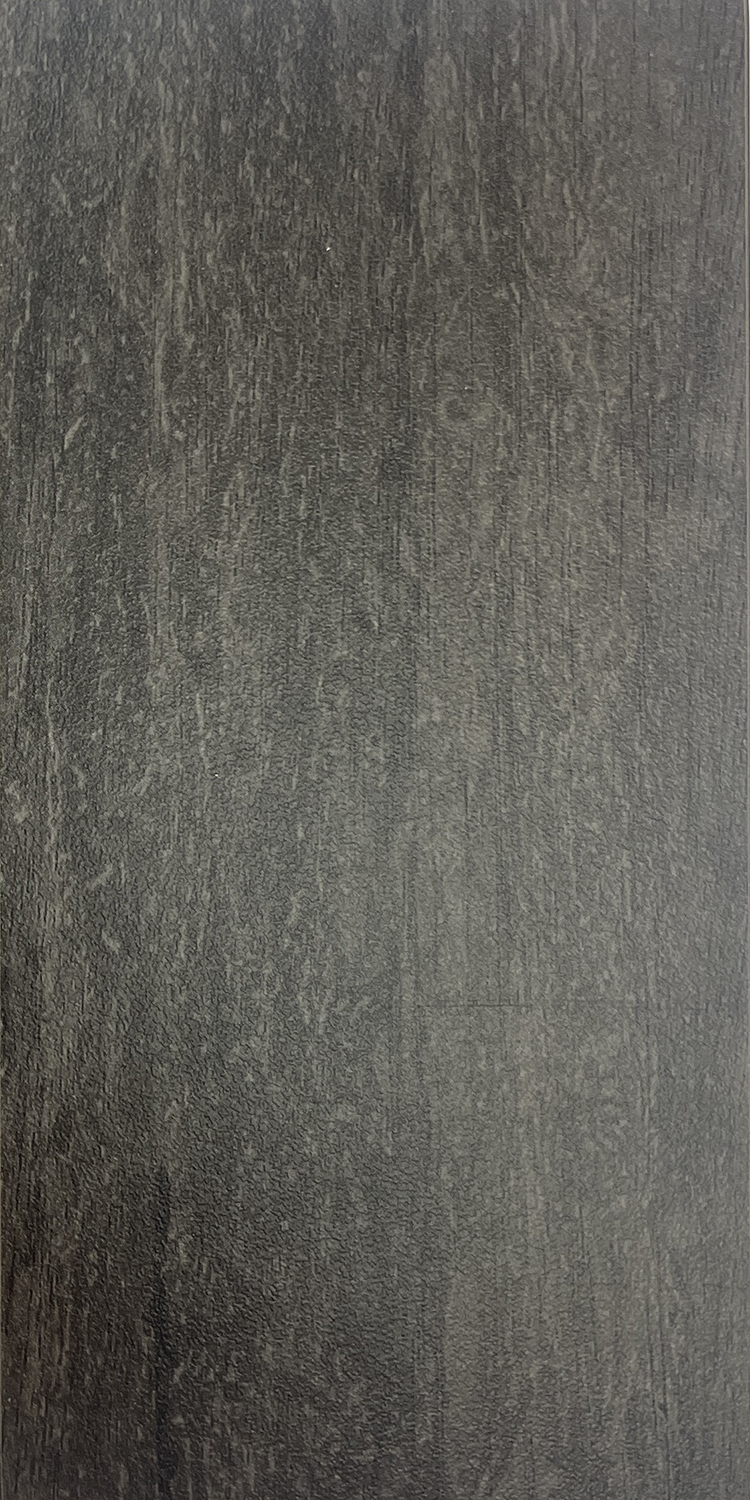
M119004

M119003

U121008

U121005

U121009

U121010

U121011

C22927

E225478

E229398

A222792

C227209

E225487

M112001

E229439

M118005

M112003

M118004
Why Choose POLYBETT as Your Laboratory Furniture Manufacturer?
More than 20 years of experience in HPL and phenolic laminate manufacturing.
Laboratory benches and chemical-resistant worktops from one supplier.
Wall benches, island benches, school workstations and electronic benches.
Customized steel frames, cabinets, shelves and service openings.
Common phenolic worktop thicknesses of 12.7mm, 15mm and 16mm.
Grey, green, black, white and customized color options.
Cutting, drilling, sink cut-outs and CNC fabrication support.
Project evaluation based on laboratory floor plans and equipment layouts.
Physical samples for color, construction and reagent testing.
OEM and ODM services for laboratory contractors, distributors and furniture companies.
Export packaging and international shipping coordination.
Frequently Asked Questions About Laboratory Furniture
What is included in a laboratory furniture system?
A laboratory furniture system can include workbenches, worktops, base cabinets, drawers, wall cabinets, reagent shelves, sinks, faucets, pegboards, service outlets and equipment tables.
What is the difference between a laboratory bench and an ordinary table?
A laboratory bench is selected for chemical exposure, equipment loads, utilities, storage, cleaning, ergonomics and laboratory workflow. An ordinary table may not provide these features or verified material performance.
What types of laboratory benches does POLYBETT supply?
POLYBETT supplies customized wall benches, island benches, chemistry benches, electronic workstations, school science tables, hospital work tables and laboratory table tops.
What worktop material is suitable for a chemistry laboratory?
The correct material depends on the acids, alkalis, solvents, heat and equipment used. Chemical-resistant phenolic laminate is suitable for many laboratories, while more aggressive conditions may require epoxy, ceramic, polypropylene or another specialized material.
Is phenolic laminate resistant to all laboratory chemicals?
No. Resistance depends on the exact reagent, concentration, temperature and contact time. Critical chemicals should be checked against the test report and evaluated on a sample.
What thickness is used for laboratory table tops?
Common POLYBETT compact phenolic worktop thicknesses include 12.7mm, 15mm and 16mm. The final thickness depends on support spacing, sink openings, bench width and equipment loads.
Can laboratory bench dimensions be customized?
Yes. Bench length, depth, height, cabinet layout, shelving and service locations can be customized according to the floor plan and equipment requirements.
Can POLYBETT manufacture island laboratory benches?
Yes. Island benches can be configured with two-sided work areas, central reagent shelves, storage cabinets, sinks and project-specific utility openings.
Can sinks and faucets be integrated into a laboratory bench?
Sink and faucet openings can be incorporated according to approved drawings. Sink material, drainage and fixtures must be compatible with the expected chemicals and local plumbing requirements.
Can gas and electrical services be integrated?
Openings and service panels can be designed for gas, electricity, data, water and compressed air. Final system design and installation should be completed by qualified specialists.
What is a modular laboratory bench?
A modular laboratory bench uses standardized frames, cabinets, worktops and service components that can be rearranged, replaced or expanded as laboratory requirements change.
What is the difference between a wall bench and an island bench?
A wall bench is positioned along a wall and normally provides access from one side. An island bench is located within the room and can provide working access and storage from both sides.
Can laboratory furniture be height adjustable?
Height-adjustable configurations can be evaluated for ergonomic or multi-user laboratories. Equipment loads and flexible utility connections must be considered.
What is an anti-vibration laboratory table?
An anti-vibration or balance table is designed to reduce vibration transmitted to sensitive balances, microscopes and measuring instruments. Requirements depend on the equipment and floor conditions.
Can laboratory furniture be used in hospitals?
Yes. Suitable furniture can be used in medical laboratories, pathology rooms, diagnostic centers, dental rooms and sample-processing areas when the selected materials meet cleaning and chemical requirements.
Can POLYBETT make school science laboratory furniture?
Yes. Student workstations, teacher tables, chemistry benches and general science furniture can be customized according to class size, student age and room layout.
Is laboratory furniture fireproof?
Laboratory furniture contains multiple materials, and fire performance varies by frame, cabinet, worktop and complete assembly. Request the relevant reports when a specific fire classification is required.
Is laboratory furniture antibacterial?
A smooth, easy-clean surface is not automatically antibacterial. Antibacterial performance must be supported by a test report for the exact material.
How should a fume hood be positioned relative to laboratory benches?
Fume hoods should be coordinated with doors, high-traffic aisles, supply-air outlets, other hoods and emergency routes. Placement and commissioning should be completed by qualified laboratory ventilation professionals.
What laboratory standards should buyers consider?
Requirements vary by market and project. Buyers may need standards covering laboratory work surfaces, casework, furniture installation, fume hoods, electrical systems, plumbing, ergonomics, fire safety and accessibility.
What drawings are required for a laboratory furniture quotation?
Provide the floor plan, elevations, bench dimensions, equipment list, cabinet layout, worktop specification, utility points, sink positions and service openings.
Does POLYBETT provide laboratory worktop samples?
Yes. Samples can be supplied for color, surface, thickness and actual chemical-exposure evaluation. Sample availability and courier terms depend on the product and destination.
Can laboratory furniture colors be customized?
POLYBETT can evaluate customized worktop colors, frame colors and decorative finishes. Physical sample approval is recommended before production.
What information is needed for an accurate laboratory furniture quote?
Provide the laboratory type, floor plan, bench quantity, dimensions, worktop material, chemical list, cabinet configuration, utilities, equipment loads, delivery destination and installation scope.
What is the typical MOQ and production lead time?
The typical reference MOQ is approximately 10 units or sets, and production commonly requires around 25 days. Final terms depend on drawings, materials, quantity and production capacity.
Request a Custom Laboratory Furniture Proposal
Send your laboratory layout, bench quantity, worktop requirements, storage configuration, utility points, equipment information and destination. POLYBETT will evaluate suitable laboratory benches, table tops and customized furniture options.
Contact POLYBETT
 Русский
 English
 العربية
 Français
 Español
 Português
 Deutsch
 italiano
 日本語
日本語 한국어
한국어 Nederlands
 Tiếng Việt
 ไทย
ไทย Polski
 Türkçe
 አማርኛ
አማርኛ Bahasa Melayu
 தமிழ்
தமிழ் Filipino
 Bahasa Indonesia
 magyar
 Română
 Монгол
 қазақ
қазақ Српски
 हिन्दी
 فارسی
فارسی Kiswahili
 Slovenčina
 Slovenščina
 Svenska
 українська
 Ελληνικά
 Suomi
Suomi Հայերեն
 עברית
עברית اردو
اردو Shqip
Shqip বাংলা
বাংলা Hrvatski
 Afrikaans
 Māori
Māori සිංහල
සිංහල Oʻzbekcha
 latviešu
 Беларуская мова
 Bosanski
 Български
 ქართული
 Lietuvių
 Malti
Malti Runasimi