What Is a Phenolic Laminate Board?
A phenolic laminate board is a dense high-pressure laminate panel manufactured from multiple layers of kraft paper impregnated with thermosetting phenolic resin. Decorative papers and protective surface layers are bonded to the core under controlled heat and high pressure.
The finished material is also commonly called compact laminate, solid phenolic board, phenolic compact board, compact HPL or structural phenolic laminate.
Unlike thin decorative HPL that must be bonded to MDF, particleboard, plywood or another substrate, a sufficiently thick compact phenolic panel is self-supporting and can be fabricated directly into partitions, tabletops, lockers, wall panels, furniture components and laboratory surfaces.
POLYBETT supplies phenolic laminate boards in multiple thicknesses, sheet sizes, colors, surface textures and functional grades for commercial, institutional, industrial and residential interior projects.
Exterior-grade, fire-retardant, chemical-resistant and antibacterial options may also be available. These performance properties should be confirmed for the exact product model, thickness and test standard before specification.
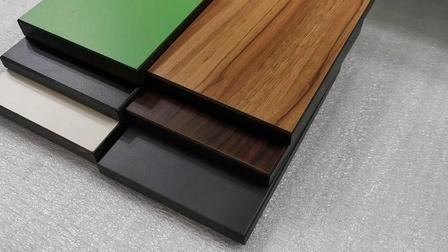
Need compact phenolic laminate for partitions, furniture, laboratories or wall panels?
Send us your required thickness, sheet size, color, quantity, application and performance requirements. POLYBETT can provide suitable product options, physical samples and quotation information.
Request Samples and Pricing
POLYBETT Phenolic Laminate Board Specifications
The following specifications represent common POLYBETT compact HPL options. Final dimensions, thicknesses, surface properties, fire classifications and order requirements should be confirmed for the selected product.
| Item | Typical Specification |
| Product name | Phenolic Laminate Board / Compact HPL / Solid Phenolic Panel |
| Core material | Multiple layers of kraft paper impregnated with phenolic resin |
| Decorative surface | Melamine-resin decorative paper with optional protective overlay |
| Panel construction | Single-sided or double-sided decorative compact laminate |
| Thickness range | Approximately 1.6–30mm, depending on application and product grade |
| Common thicknesses | 3mm, 5mm, 6mm, 8mm, 10mm, 12mm, 16mm, 18mm, 20mm and 25mm |
| Available sheet sizes | 1220 × 1830mm, 1220 × 2440mm, 1220 × 3050mm, 1220 × 3660mm, 1300 × 2800mm, 1300 × 3050mm, 1530 × 1830mm, 1530 × 3050mm, 1530 × 3660mm, 1830 × 1830mm, 1830 × 2440mm and 1830 × 3660mm |
| Decorative options | Solid colors, wood grain, stone, metal, fabric, abstract and customized patterns |
| Surface finishes | Matte, smooth, textured, wood pore and other catalog finishes |
| Core colors | Black or brown core; colorful-core options are available in separate product grades |
| Common properties | Impact resistance, moisture resistance, abrasion resistance, stain resistance and easy cleaning |
| Optional grades | Fire-retardant, exterior-grade, chemical-resistant, antibacterial, anti-fingerprint and colorful-core options |
| Fabrication | Cutting, drilling, routing, tapping, sanding, chamfering, engraving and CNC machining |
| Customization | Thickness, size, color, finish, cutting, drilling, edge processing and packaging |
| Typical MOQ | Approximately 200 panels; final MOQ depends on thickness, size and decor |
| Typical production time | Approximately 25 days, subject to quantity, specifications and production schedule |
| Packaging | Protective export packaging with plywood pallets or plywood cases |
How Is Compact Phenolic Laminate Made?
Phenolic laminate is manufactured by assembling multiple resin-treated paper layers into a controlled stack and consolidating them under high temperature and pressure.
Protective Overlay
Selected decorative surfaces include a transparent overlay that helps improve resistance to ordinary abrasion, stains and surface wear.
Decorative Paper
Printed or solid-color decorative paper impregnated with melamine resin provides the visible color, grain, texture or pattern.
Phenolic Kraft-Paper Core
Multiple layers of kraft paper impregnated with phenolic resin form the dense black or brown core and determine the final board thickness.
High-Pressure Consolidation
Heat and pressure activate the thermosetting resins and consolidate the paper layers into a dense, homogeneous panel with durable decorative surfaces.
Types of Phenolic Laminate Board
Standard Interior Compact Laminate
Standard interior compact laminate is suitable for furniture, partitions, lockers, wall panels, counters and other indoor applications requiring impact resistance, moisture resistance and a decorative double-sided surface.
Thin Decorative HPL
Thin HPL is generally less than 2mm thick and must be bonded to MDF, particleboard, plywood or another compatible substrate. It is typically used for cabinet doors, furniture panels, countertops and interior wall surfaces.
For thin decorative laminate products, visit the POLYBETT High Pressure Laminate category.
Fire-Retardant Phenolic Laminate
Fire-retardant compact laminate uses a modified formulation developed to achieve improved reaction-to-fire performance. The applicable classification depends on the panel grade, thickness, surface and test standard.
Exterior-Grade Compact HPL
Exterior-grade compact laminate includes a specialized surface designed for sunlight, rain and outdoor temperature changes. Ordinary interior compact laminate should not be substituted for exterior facade panels.
For outdoor wall cladding, visit the POLYBETT Exterior HPL Panel category.
Chemical-Resistant Laboratory Laminate
Chemical-resistant phenolic laminate is developed for laboratory worktops, fume hood liners, casework and other areas exposed to specified chemicals and cleaning agents.
Chemical resistance varies by reagent, concentration, temperature and exposure time. Buyers should request the relevant chemical-resistance test data for the exact product.
Review the POLYBETT Chemical Resistant Laminate category for laboratory applications.
Colorful-Core Compact Laminate
Colorful-core HPL replaces the conventional black or brown core with a coordinated decorative core. Machined edges and engraved details can therefore become part of the final design.
For coordinated core colors, visit the POLYBETT Colorful Core Laminate category.
Phenolic Compact Board vs. Thin HPL vs. Phenolic Plywood
The term “phenolic board” can refer to several different materials. Buyers should confirm the construction before requesting quotations or comparing prices.
| Feature | Compact Phenolic Laminate | Thin Decorative HPL | Phenolic Film-Faced Plywood |
| Core construction | Phenolic-resin kraft-paper layers | Thin resin-paper laminate | Wood veneer or plywood core with phenolic film |
| Typical thickness | Approximately 2–30mm | Generally below 2mm | Depends on plywood construction |
| Needs a substrate | Not normally required at suitable self-supporting thicknesses | Yes | Plywood is already the structural core |
| Cut-edge appearance | Dense black, brown or colored homogeneous core | Substrate edge normally requires edge banding | Visible plywood layers |
| Moisture performance | Strong resistance to humidity and frequent cleaning | Depends heavily on the substrate, adhesive and edge sealing | Depends on plywood glue grade and edge protection |
| Typical applications | Partitions, lockers, tabletops, laboratories and wall panels | Cabinets, furniture and bonded countertops | Construction formwork, transport floors and utility panels |
Advantages of Phenolic Laminate Board
High Impact and Mechanical Resistance
The dense layered construction provides strong resistance to ordinary impact, bending and mechanical wear. This makes compact HPL suitable for high-traffic commercial and institutional environments.
Panel thickness, unsupported span, fixing position and load direction must still be designed for the intended application. Compact laminate should not automatically be treated as a primary structural building material.
Moisture and Humidity Resistance
Compact phenolic laminate does not contain an MDF or particleboard core. Its dense structure provides good resistance to humidity, routine cleaning and occasional water contact.
The complete installation is not automatically waterproof. Joints, fixings, penetrations, edges and surrounding construction must be detailed for the expected moisture exposure.
Durable Decorative Surface
The decorative surfaces provide practical resistance to ordinary abrasion, stains and scratches. Actual performance depends on the selected surface finish, product grade and application.
Easy Cleaning and Maintenance
The smooth, non-porous surface can generally be cleaned with water, a soft cloth and mild detergent. This makes the material suitable for schools, offices, hospitals, washrooms and other frequently maintained interiors.
Self-Supporting at Suitable Thicknesses
Thicker compact laminate can be used without MDF, plywood or another separate substrate. This reduces the need for balancing laminates, edge banding and adhesive lamination in many applications.
Machinable with Woodworking Equipment
Phenolic laminate can be cut, drilled, routed, tapped, engraved, chamfered and polished using suitable carbide-tipped tools and CNC equipment.
Wide Decorative Selection
Solid colors, wood grains, stone effects, metallic patterns, fabric designs and textured finishes allow the material to be coordinated with furniture, doors, wall panels and interior branding.
Replaceable and Modular Components
When used in partitions, lockers or wall systems, individual compact laminate components can often be replaced without rebuilding the entire installation.
Limitations of Phenolic Compact Laminate
Phenolic laminate provides many practical benefits, but it is not the correct material for every project. The following limitations should be considered during specification.
Higher Material Cost
Compact laminate can cost more per sheet than thin HPL bonded to an economical substrate. A fair cost comparison should include substrates, adhesive, balancing sheets, edge banding, fabrication and long-term maintenance.
High Density and Panel Weight
Thick phenolic panels are relatively dense. Large-format panels may require additional handling equipment, stronger supports and carefully designed fixings.
Requires Suitable Fabrication Tools
Worn or unsuitable tools can cause chipping, overheating or poor edge quality. Sharp carbide-tipped blades, drills and router bits are recommended.
Dimensional Movement Must Be Allowed
Compact laminate responds to changes in temperature and relative humidity. Installation details should include suitable clearances, hole sizes and fixing arrangements.
Not Every Grade Is Suitable Outdoors
Standard interior phenolic laminate should not be exposed permanently to sunlight, rain or freezing weather. Outdoor applications require a confirmed exterior-grade product.
Fire Performance Varies by Grade
Standard compact laminate and fire-retardant compact laminate can have different reaction-to-fire classifications. A fire-test report should be reviewed for the exact product, thickness and installation configuration.
Applications of Phenolic Laminate Panels
| Application | Typical Requirements | Common Panel Considerations |
| Toilet partitions | Moisture resistance, impact resistance and easy cleaning | 12mm or 18mm compact laminate with compatible hardware |
| Shower and changing-room partitions | Frequent moisture exposure and corrosion-resistant hardware | Compact HPL with suitable edge and fixing details |
| Laboratory worktops | Chemical, stain, impact and heat resistance | Use a tested laboratory-grade chemical-resistant panel |
| Lockers | Impact resistance, durability and ventilation | Compact panels with suitable hinges and fixings |
| School furniture | Rounded edges, abrasion resistance and easy maintenance | Select thickness according to span and frame design |
| Office desks and tables | Stable horizontal surface and decorative consistency | Confirm support spacing and tabletop thickness |
| Kitchen countertops | Stain, moisture and ordinary heat resistance | Use trivets and cutting boards; protect sink cut-outs |
| Bathroom vanities | Moisture resistance and sealed penetrations | Provide correct sink, tap and wall-joint detailing |
| Interior wall cladding | Impact resistance, fire requirements and replaceability | Confirm profiles, joints, panel thickness and supporting system |
| Reception counters | Decorative appearance, impact resistance and custom machining | Use CNC fabrication for detailed shapes and openings |
| Exterior facades | UV resistance, weathering, wind-load and fire compliance | Use only a confirmed exterior-grade panel and engineered fixing system |
How to Choose the Right Phenolic Laminate Board
Define the application. Confirm whether the panel will be used for partitions, furniture, countertops, laboratory worktops, wall cladding or exterior applications.
Select thin HPL or compact laminate. Thin HPL requires a substrate, while compact laminate can be self-supporting at suitable thicknesses.
Determine the required thickness. Thickness affects panel stiffness, weight, maximum span, fixing design and material cost.
Confirm the sheet dimensions. Coordinate finished component sizes with available panel formats to reduce cutting waste.
Evaluate moisture exposure. Shower partitions, washrooms and vanity panels require suitable hardware, joint design and sealed penetrations.
Verify fire requirements. Standard and fire-retardant grades may have different classifications and should not be described interchangeably.
Confirm chemical exposure. Laboratory surfaces require test data covering the chemicals, concentrations and exposure conditions involved.
Select the correct interior or exterior grade. Ordinary interior compact laminate should not be permanently exposed outdoors.
Choose the decorative surface. Review physical samples for color, texture, gloss and core appearance before mass production.
Review fabrication requirements. Provide CAD drawings for cut-outs, holes, grooves, rounded corners and CNC machining.
Request technical documents. Obtain the product data sheet, test reports, fabrication guide, cleaning instructions and sample approval.
Fabrication and Machining Guidelines
Compact phenolic laminate can be machined using suitable woodworking and CNC equipment. Correct tools and fabrication procedures help reduce edge chipping, cracking and overheating.
Store panels flat, supported and protected in a dry indoor environment.
Allow panels to acclimatize before fabrication and installation.
Use sharp carbide-tipped or suitable diamond tools.
Provide effective dust extraction during cutting and routing.
Support the panel properly to prevent vibration and edge breakout.
Drill clean holes without using excessive pressure.
Round the internal corners of sink, equipment and service cut-outs.
Avoid sharp internal corners that can concentrate stress.
Maintain suitable fastener edge distances and movement clearances.
Do not over-tighten screws or rigidly restrain large panels.
Smooth or polish exposed edges according to the required appearance.
Follow the fabrication instructions supplied for the selected panel grade.
Installation Considerations
The installation method depends on panel thickness, panel dimensions, supporting structure, expected loads and environmental conditions.
Verify the wall, frame or furniture structure before fixing panels.
Use compatible corrosion-resistant fixings in humid environments.
Provide sufficient support spacing for horizontal tabletops and shelves.
Allow expansion clearances around large panels and openings.
Protect cut-outs and penetrations in wet-area applications.
Use approved profiles, brackets, adhesives and fasteners.
Avoid direct contact between incompatible metals or chemicals.
Follow the project drawings and installation instructions for the selected system.
Cleaning and Maintenance
For routine cleaning, wipe the decorative surface with a soft cloth or sponge using clean water and a mild neutral detergent.
Remove detergent residue with clean water and dry the surface when necessary to prevent visible marks.
Do not use steel wool, sharp scrapers or strongly abrasive pads.
Avoid direct cutting on tabletop and countertop surfaces.
Use trivets or heat-resistant supports under hot cookware and equipment.
Clean spills promptly, especially on laboratory or food-service surfaces.
Test strong disinfectants, solvents and chemical cleaners before general use.
Inspect fixings, joints and supporting frames periodically.
Fire, Water and Chemical Performance
Is Phenolic Laminate Fireproof?
Phenolic laminate is an organic resin-and-paper composite and should not automatically be described as non-combustible. Standard and fire-retardant grades can have different reaction-to-fire classifications.
Terms such as Class A, B1, fire resistant and flame retardant may refer to different standards. Confirm the exact test method, classification, panel thickness and tested configuration.
Is Phenolic Laminate Waterproof?
Compact phenolic laminate provides strong resistance to water and humidity, but the completed product or installation is not automatically waterproof. Fixings, joints, edges, penetrations and surrounding construction must also be designed for water exposure.
Is Every Phenolic Board Chemical Resistant?
No. Standard decorative compact laminate may resist ordinary household stains and cleaning products, but demanding laboratories require a specialized chemical-resistant grade supported by relevant test data.
POLYBETT Phenolic Laminate Board Products
3mm, 5mm, 10mm and 12mm Phenolic Laminate Board
Compact HPL panels in multiple thicknesses for partitions, tabletops, furniture, lockers, wall panels and other interior applications.
View Multi-Thickness Phenolic Board
Decorative High-Pressure Laminate Sheet
Decorative HPL sheets with solid-color, wood-grain, stone and other design options for furniture and interior surface fabrication.
View Decorative HPL Sheet
12mm HPL Phenolic Laminated Board
A commonly specified compact laminate thickness for toilet partitions, furniture panels, tabletops, lockers and commercial interiors.
View 12mm Phenolic Board
HPL Phenolic Resin Laminate Board
Double-sided phenolic resin laminate for commercial furniture, partitions, counters, wall panels and customized fabrication.
View Phenolic Resin Board
12mm Compact HPL for Kitchen Cabinets
Moisture-resistant compact laminate for cabinet components, worktops, shelves, doors and other kitchen furniture applications.
View 12mm Kitchen HPL Panel
6mm to 25mm Compact HPL Panel
A broad thickness range for partitions, tabletops, shelves, lockers, furniture, wall panels and project-specific components.
View 6mm to 25mm HPL Board
Double-Finished Phenolic Laminate Board
Double-sided decorative compact laminate with coordinated colors and finishes for furniture, partitions and visible two-sided applications.
View Double-Finished HPL Board
Phenolic Laminate Colors and Wood-Grain Designs
POLYBETT offers solid colors, wood grains, stone effects, metallic designs, fabric patterns and other decorative surfaces for compact phenolic laminate.
The following wood designs are references. Color appearance may vary because of screen settings, lighting, surface texture and production batches. Physical sample approval is recommended before ordering.
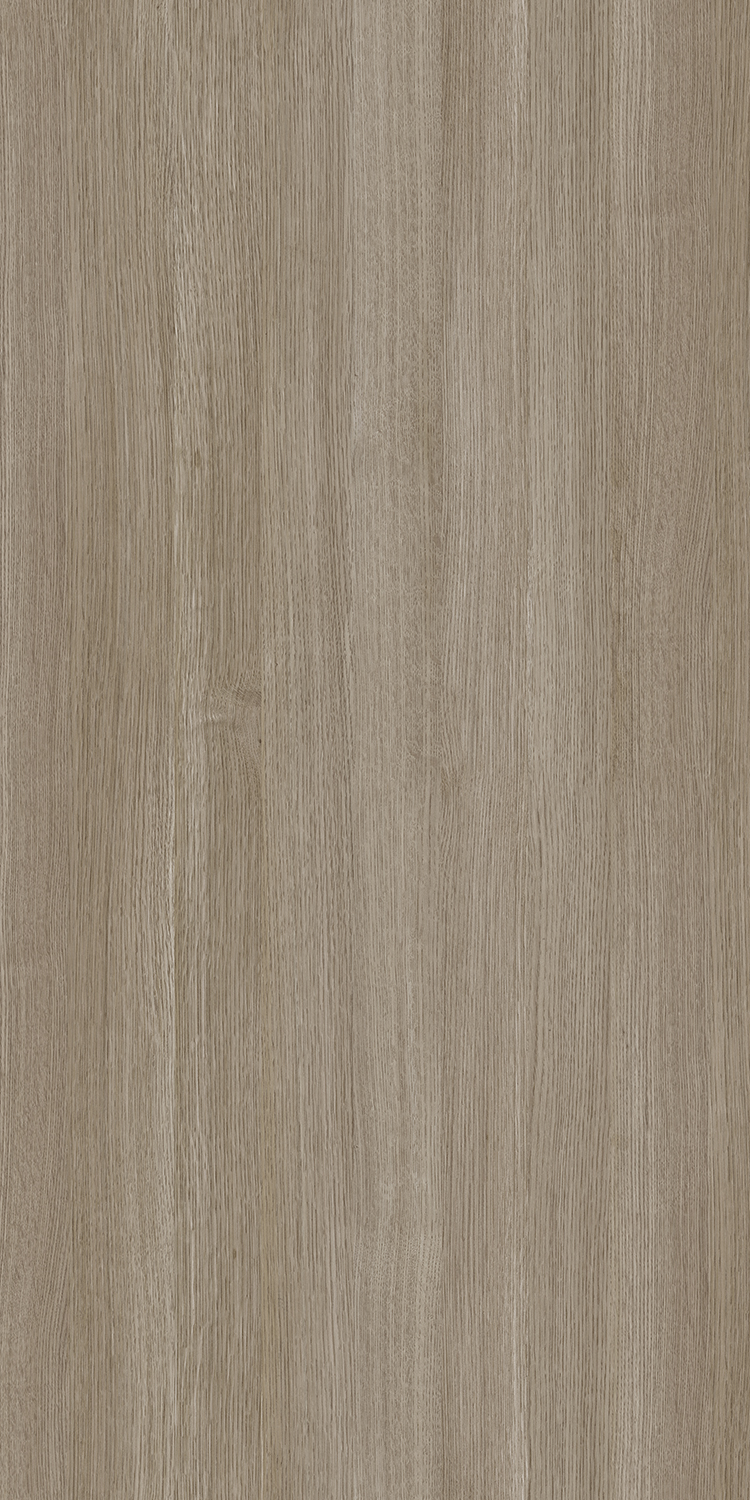
U121014
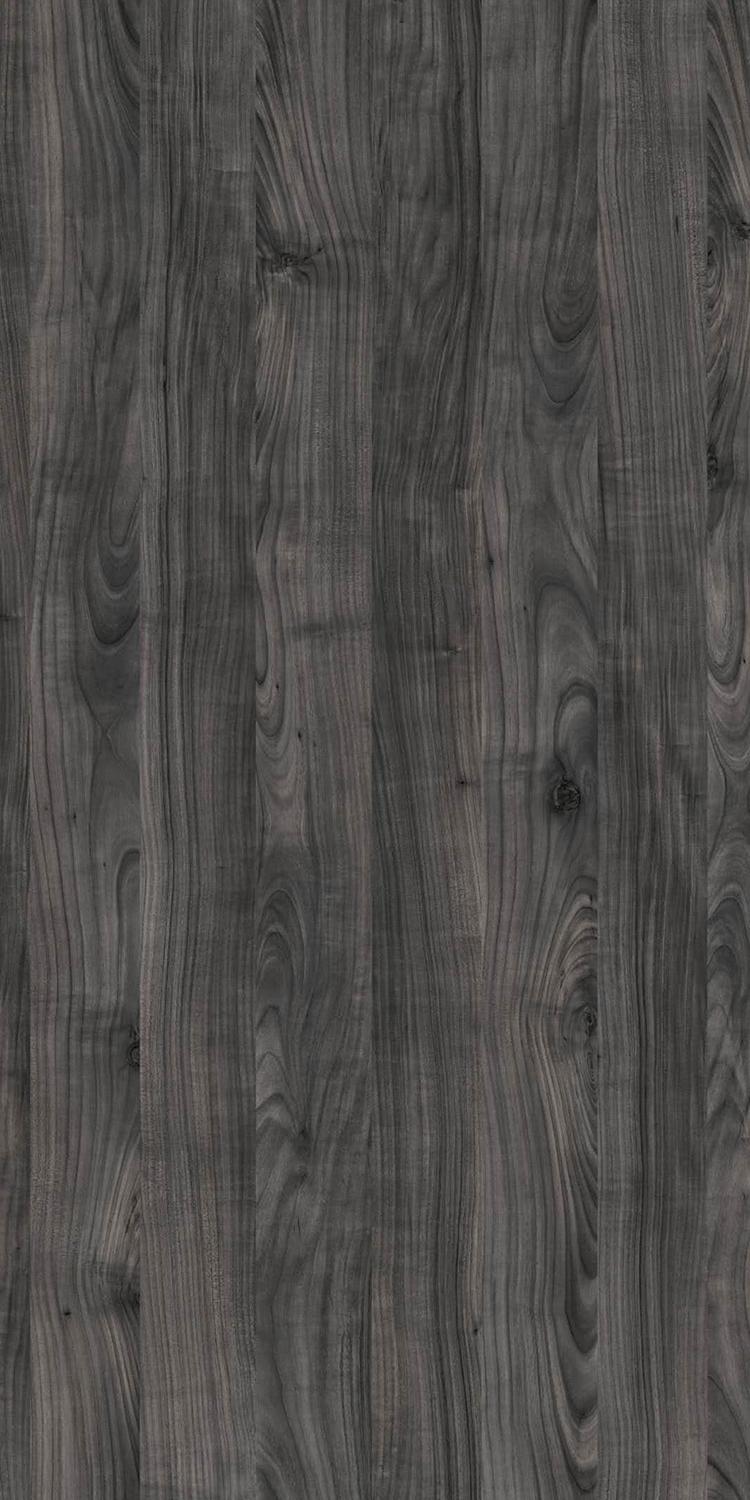
U121015
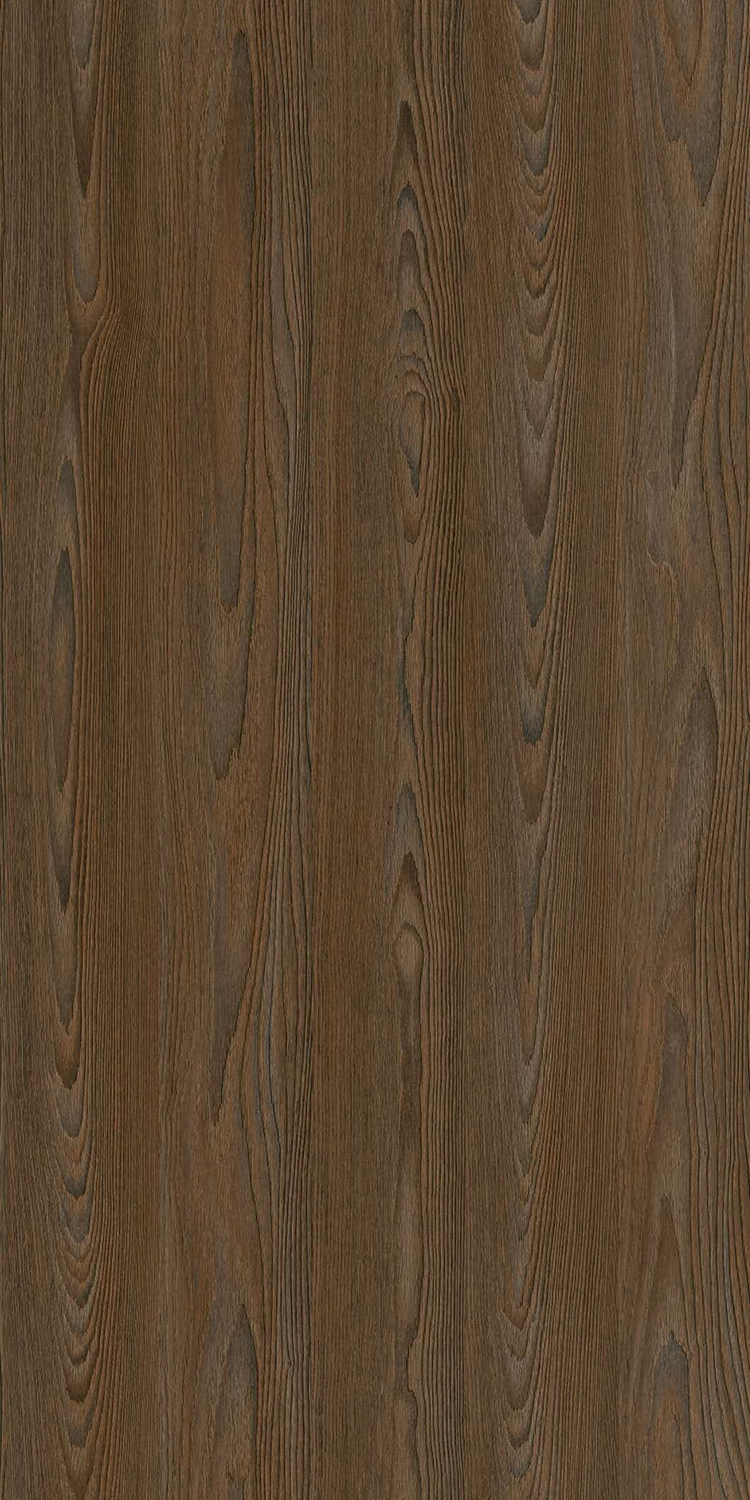
U121016
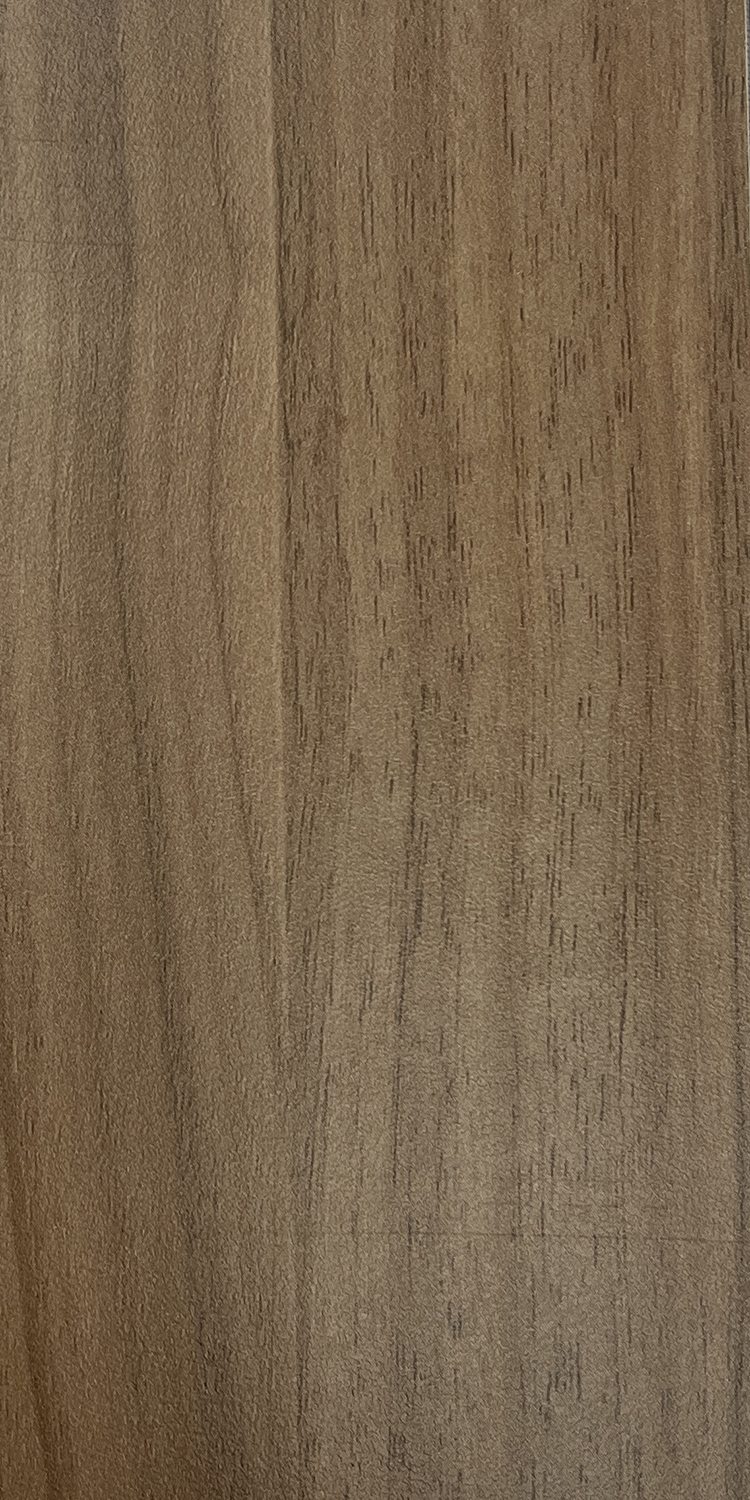
M118003
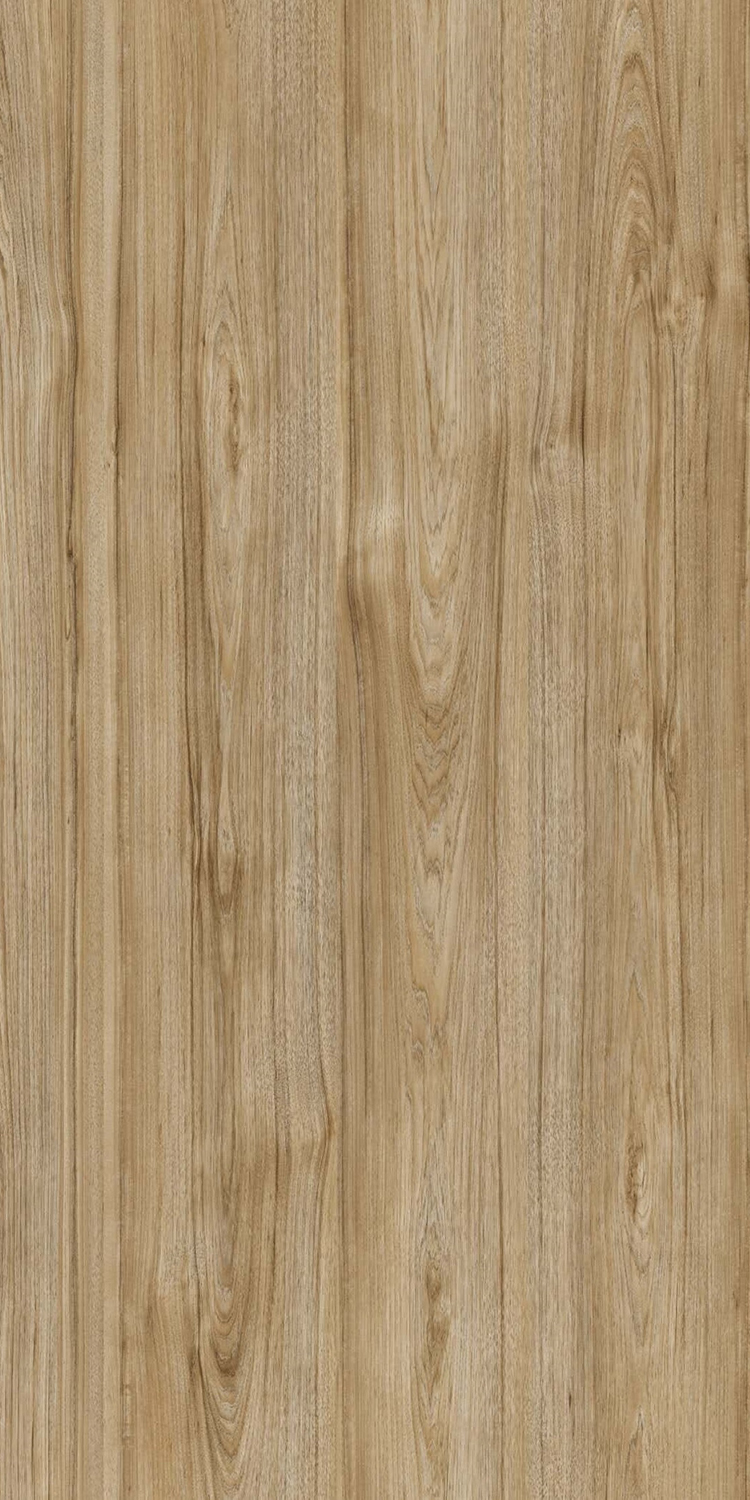
U121018
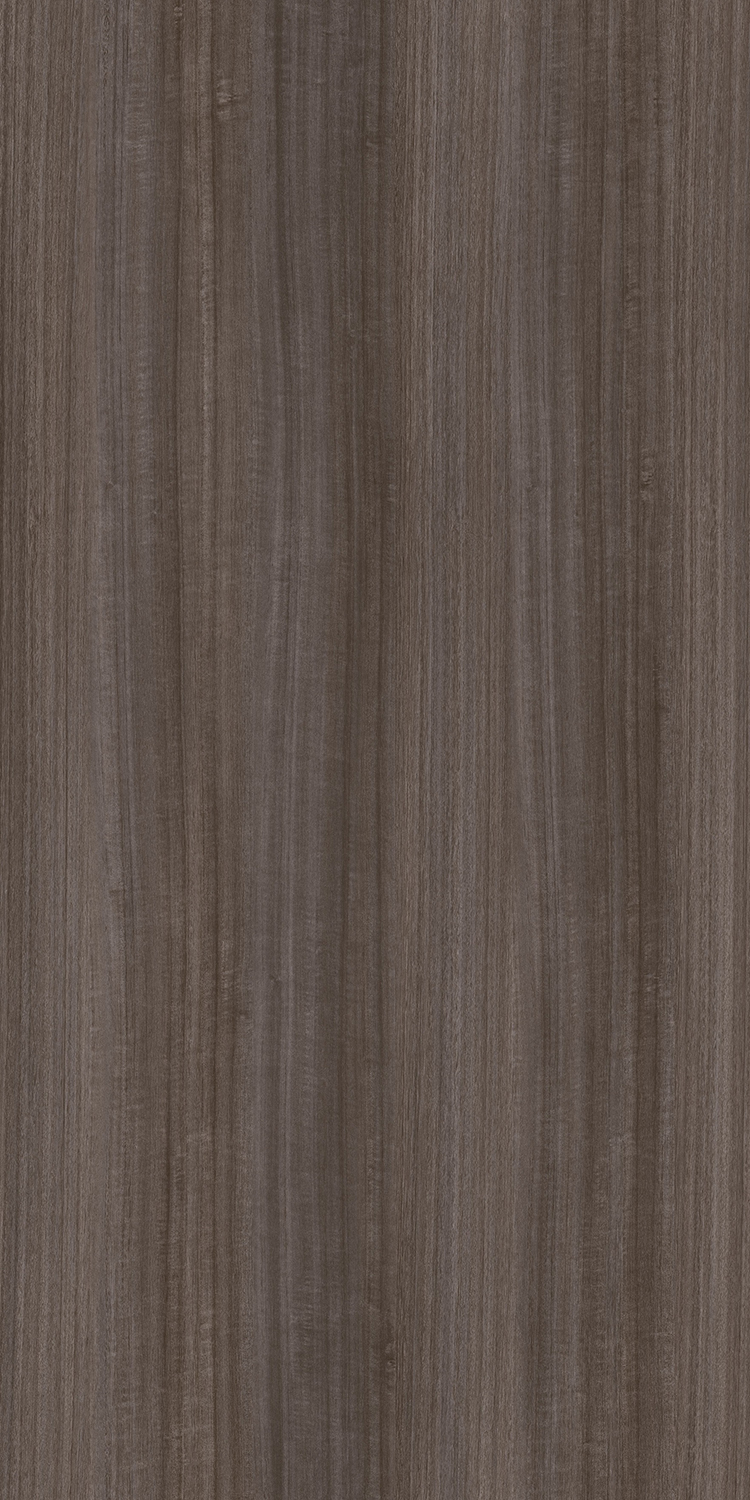
U121013
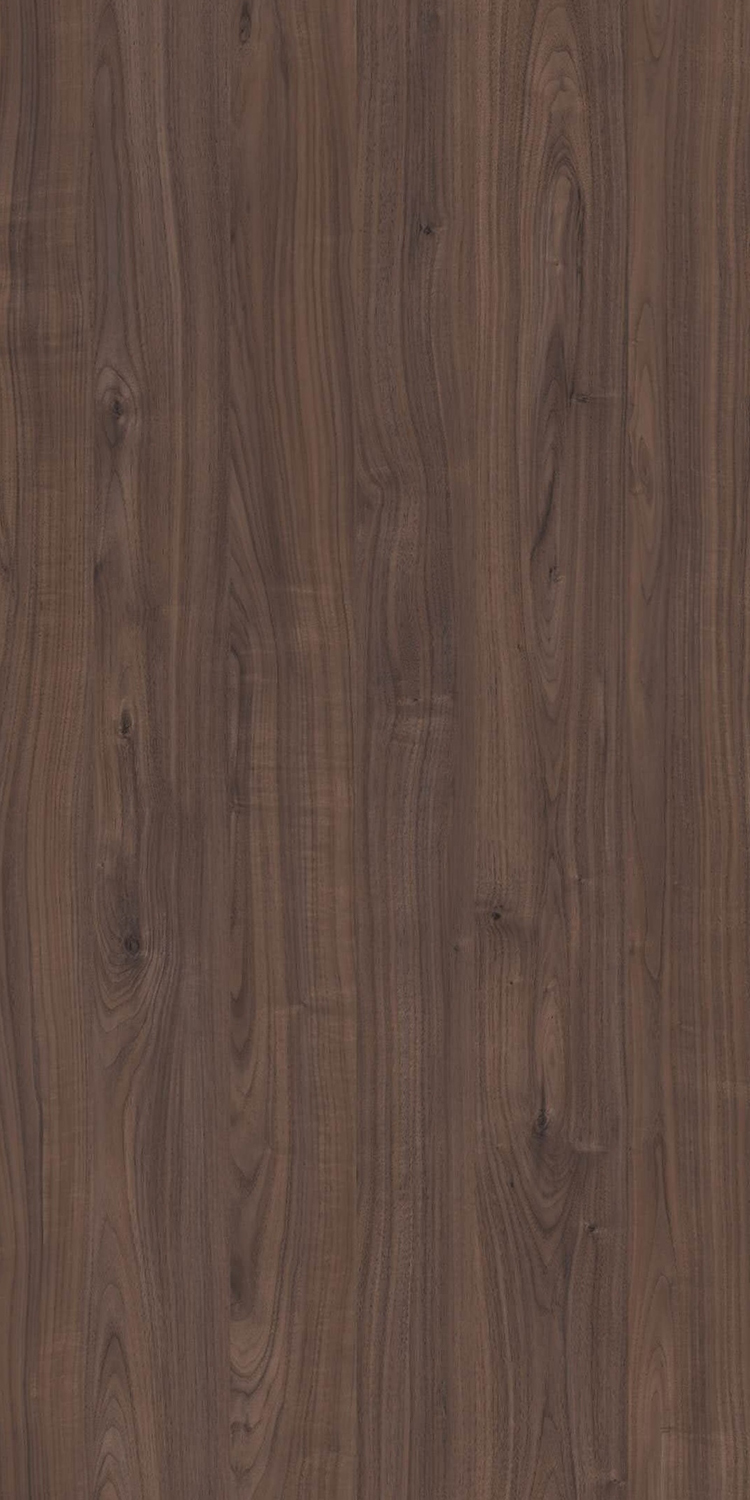
U121017
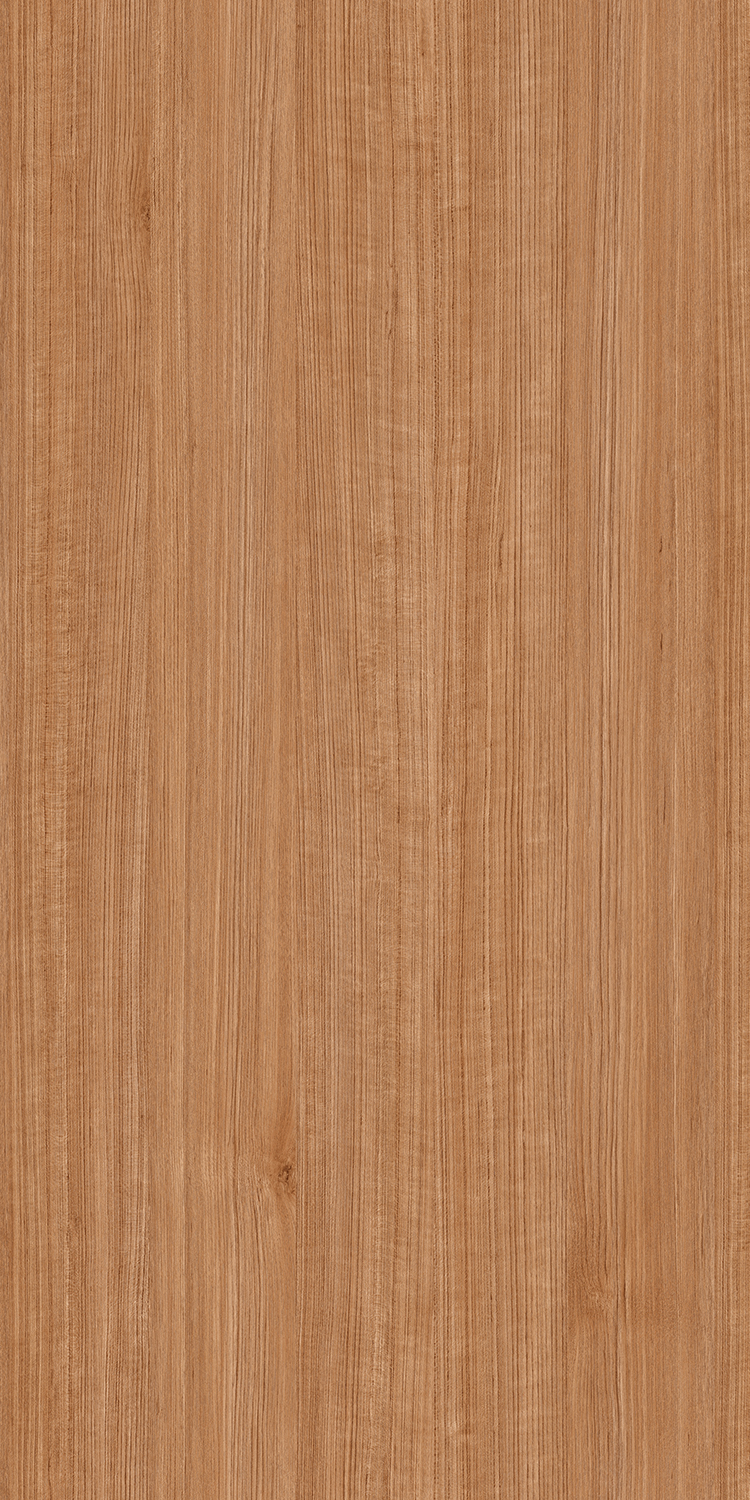
U121019
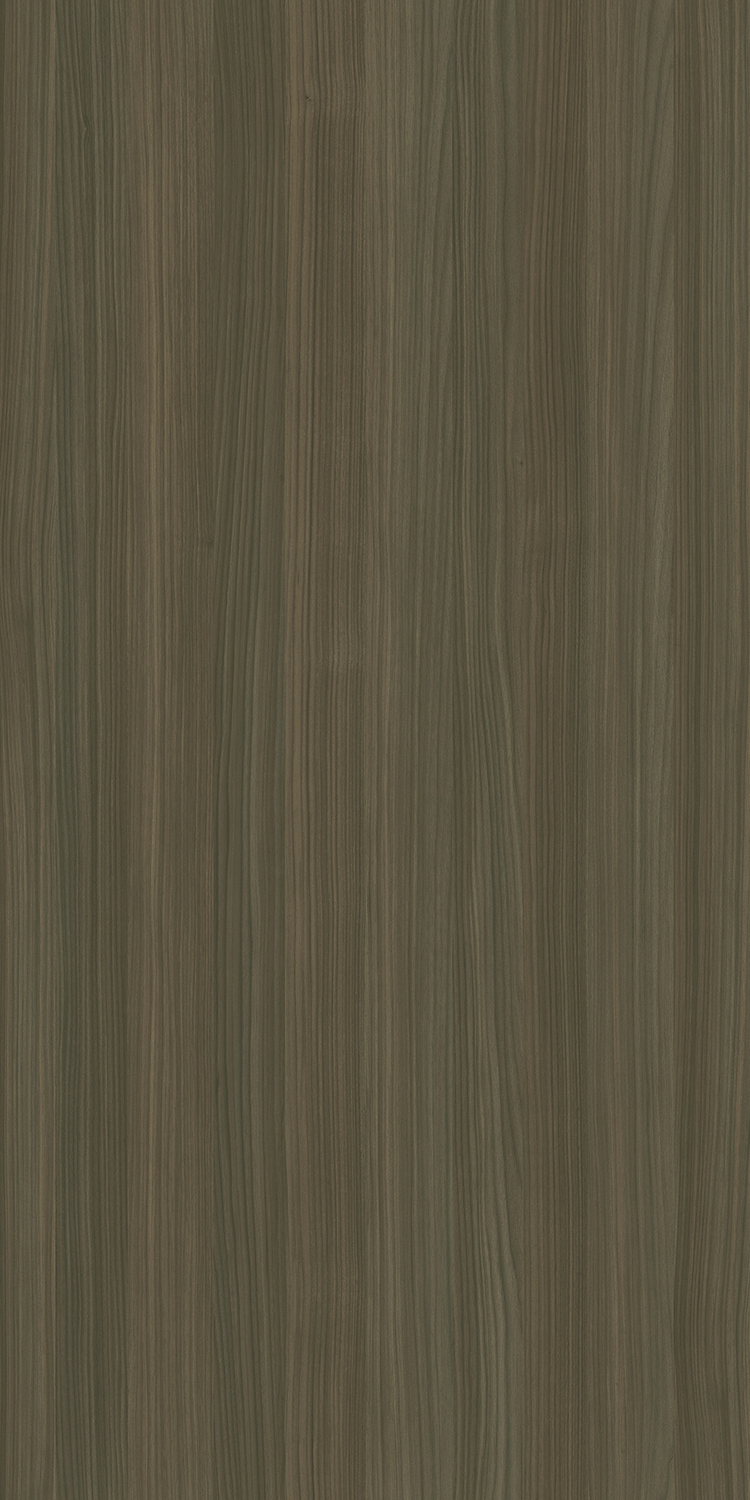
U121021
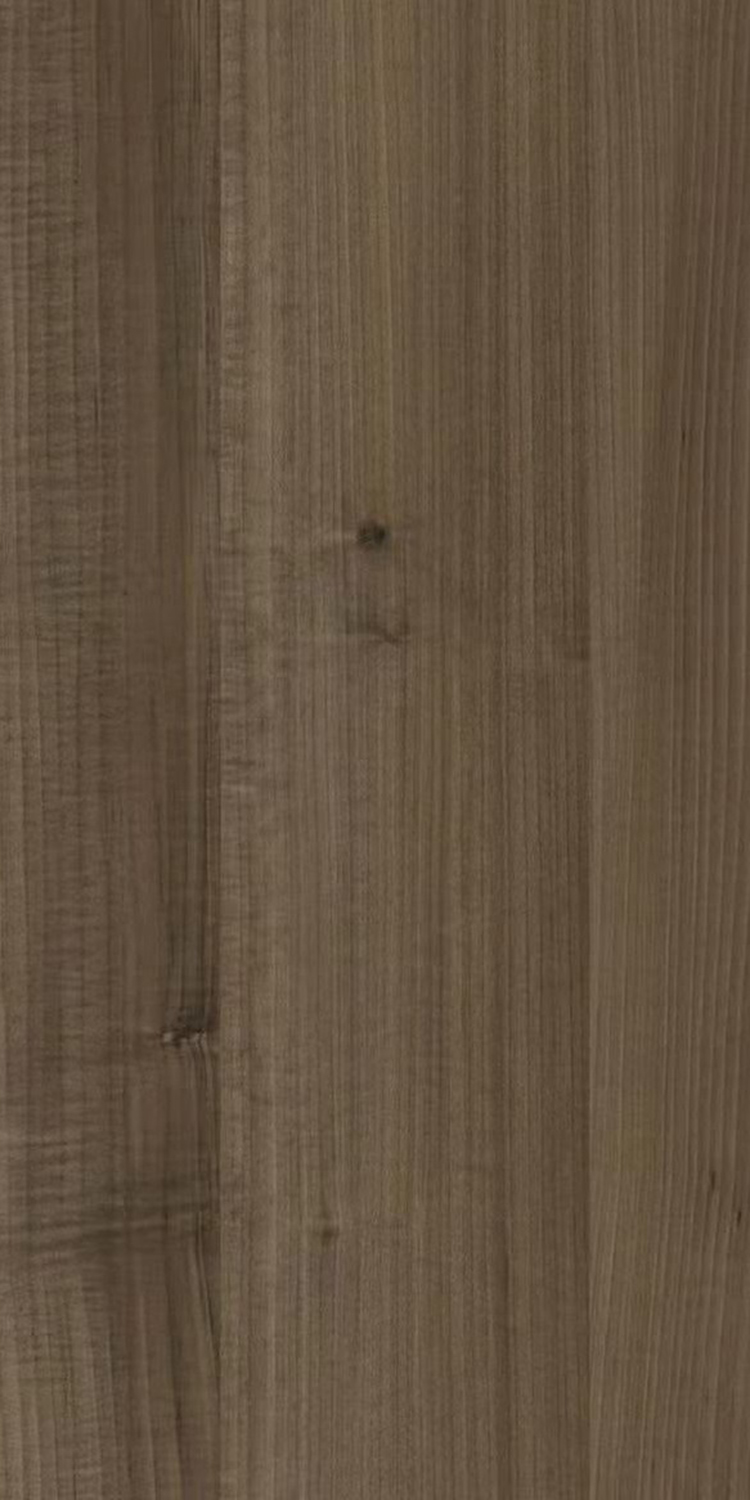
U121024

E229001
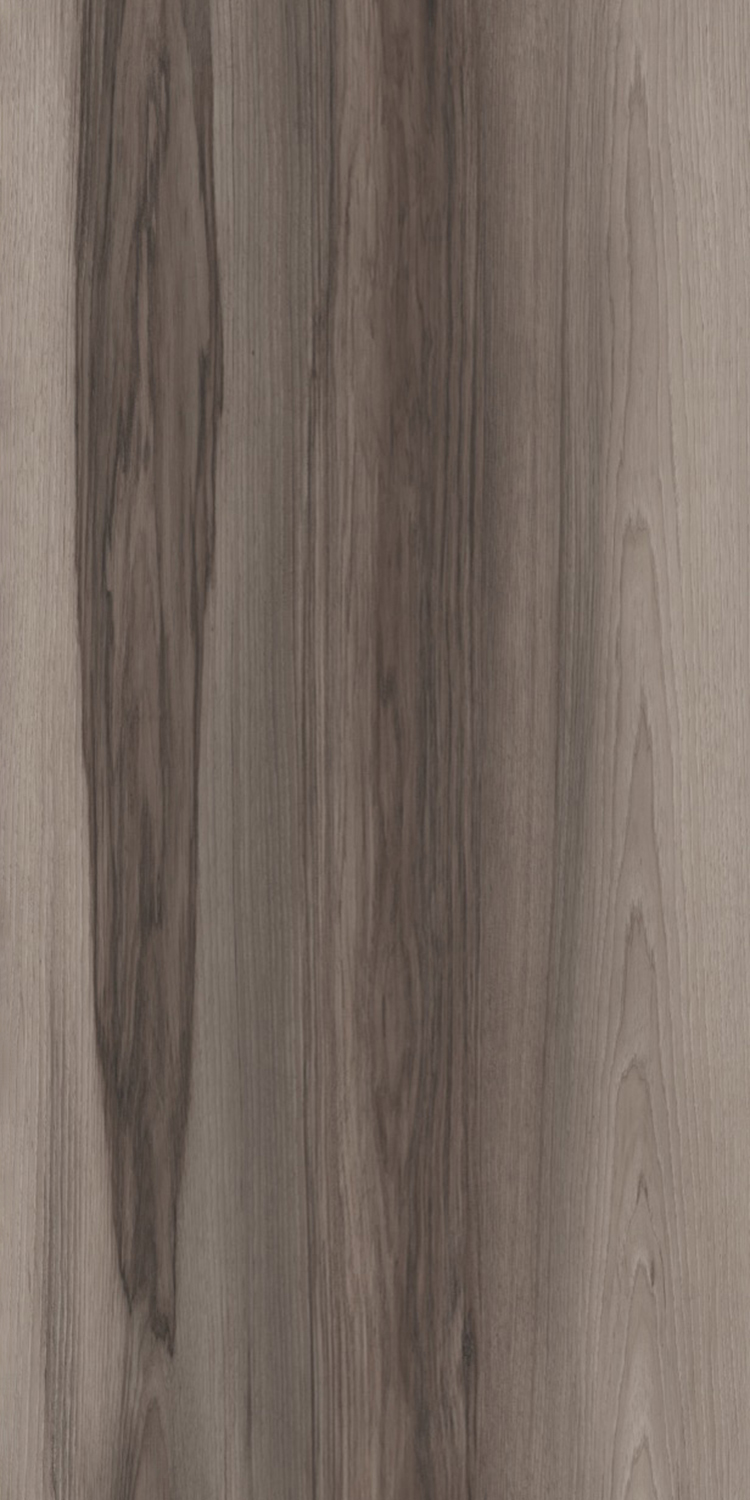
U121022
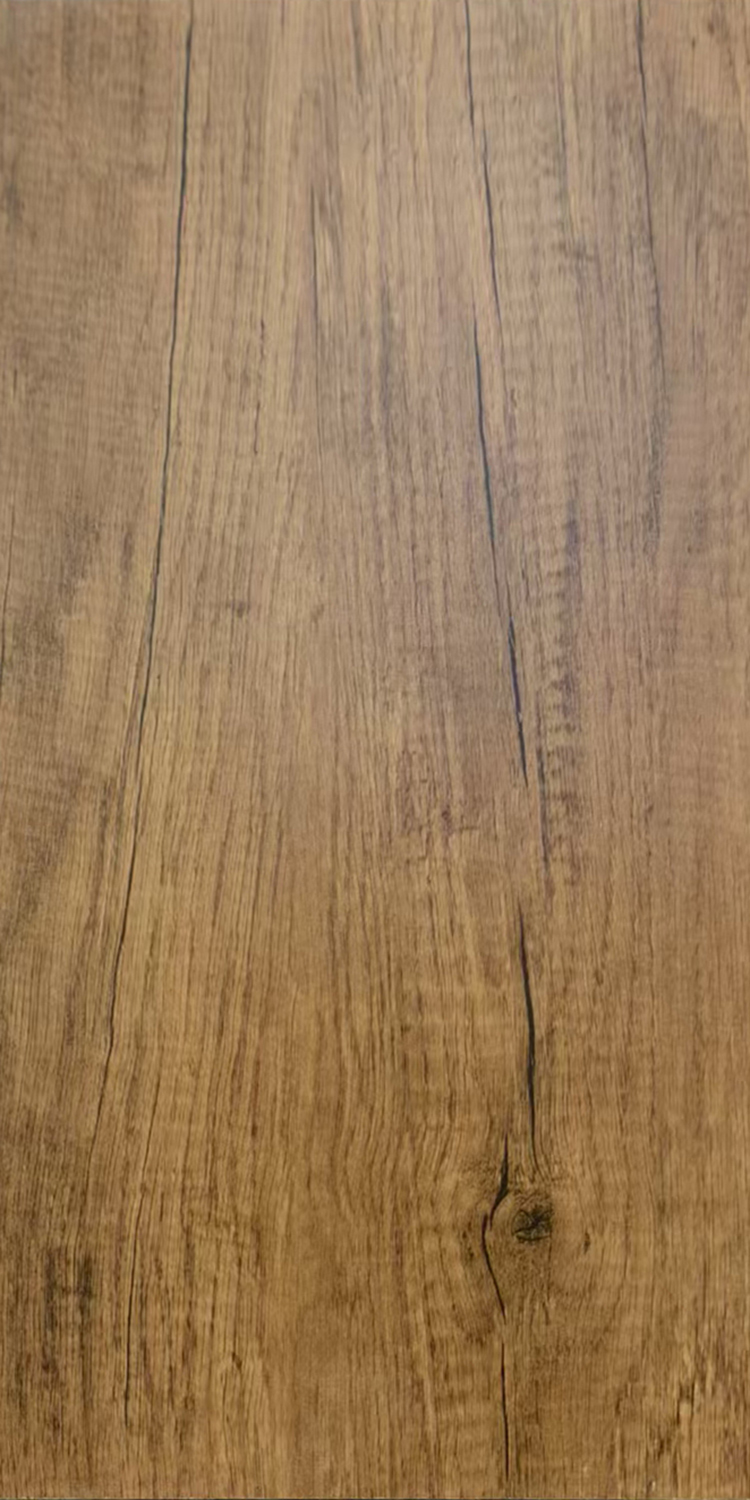
U231004
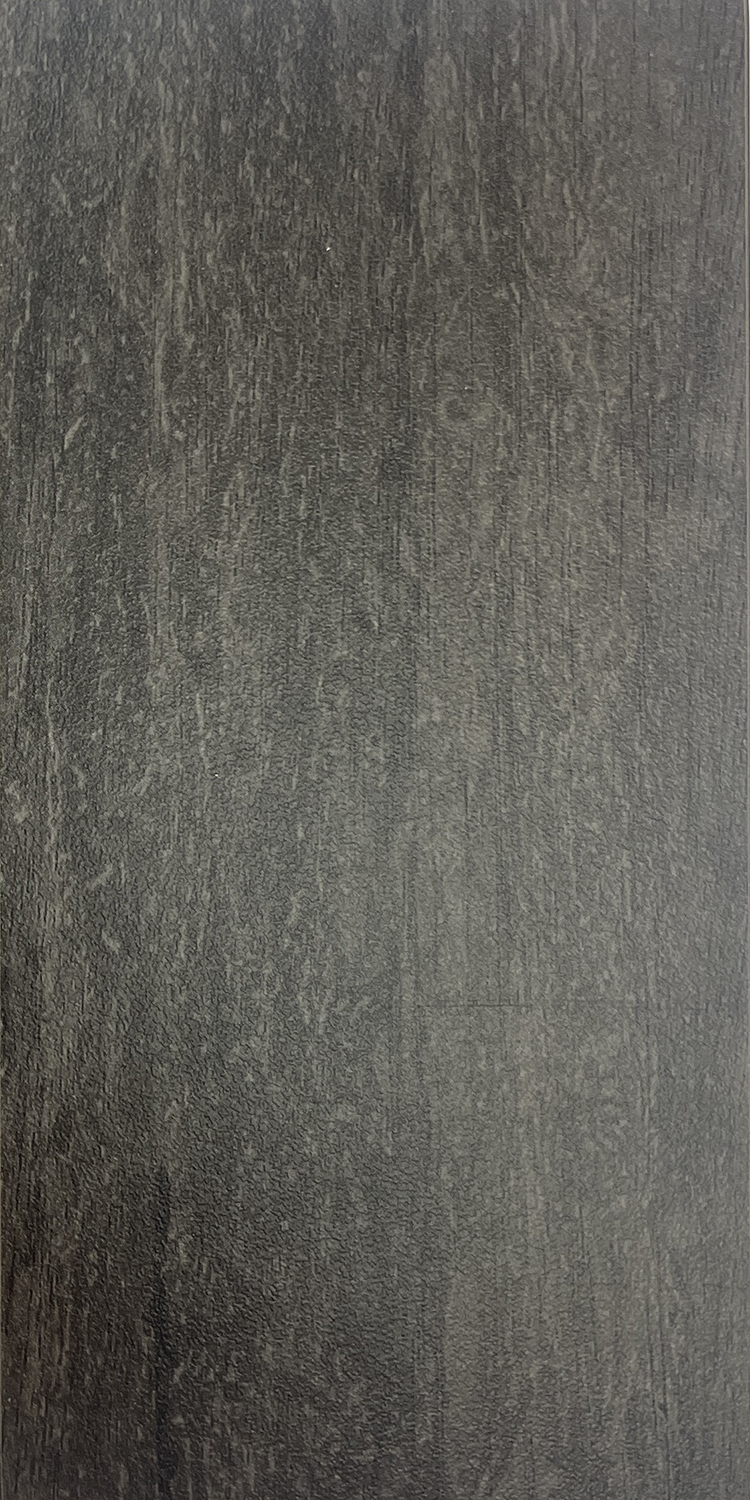
M119004

M119003
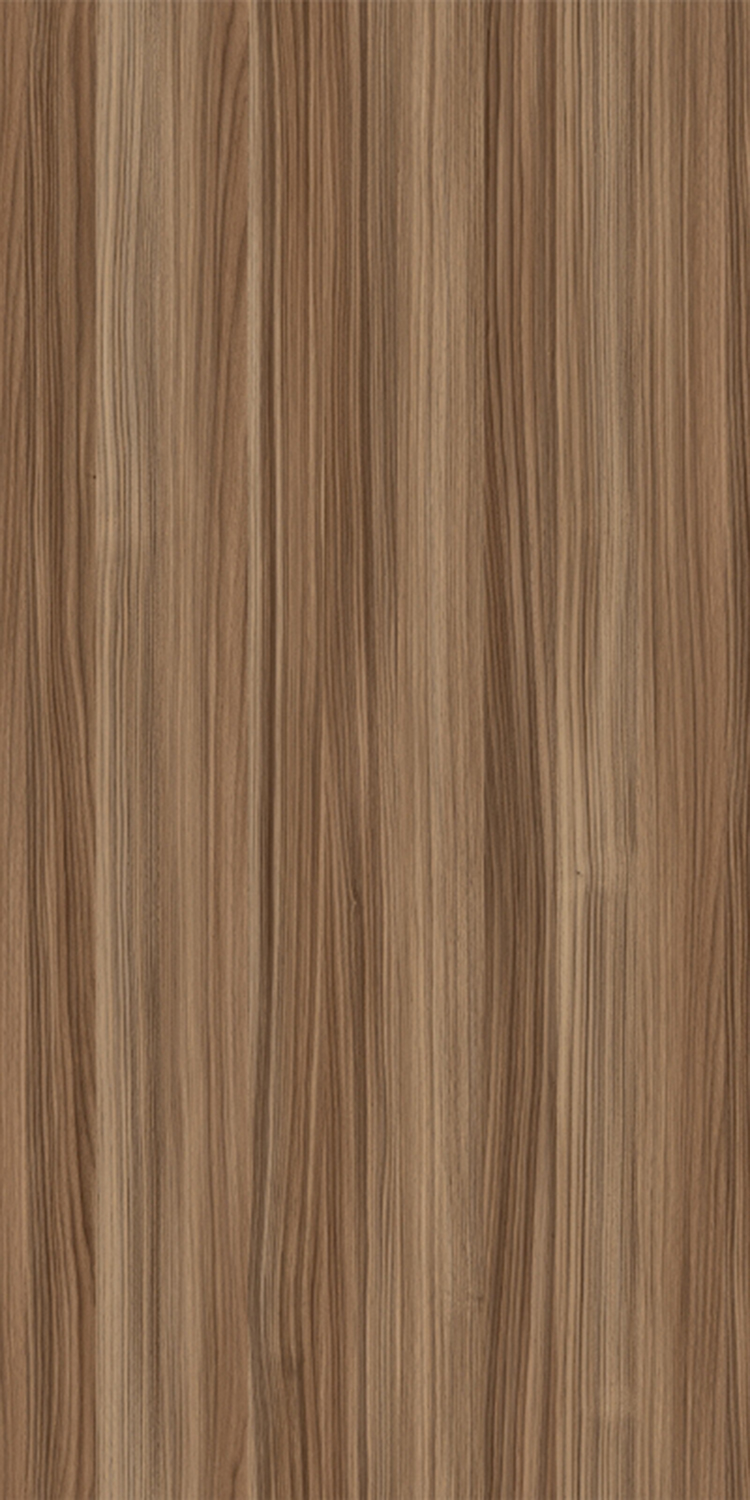
U121008
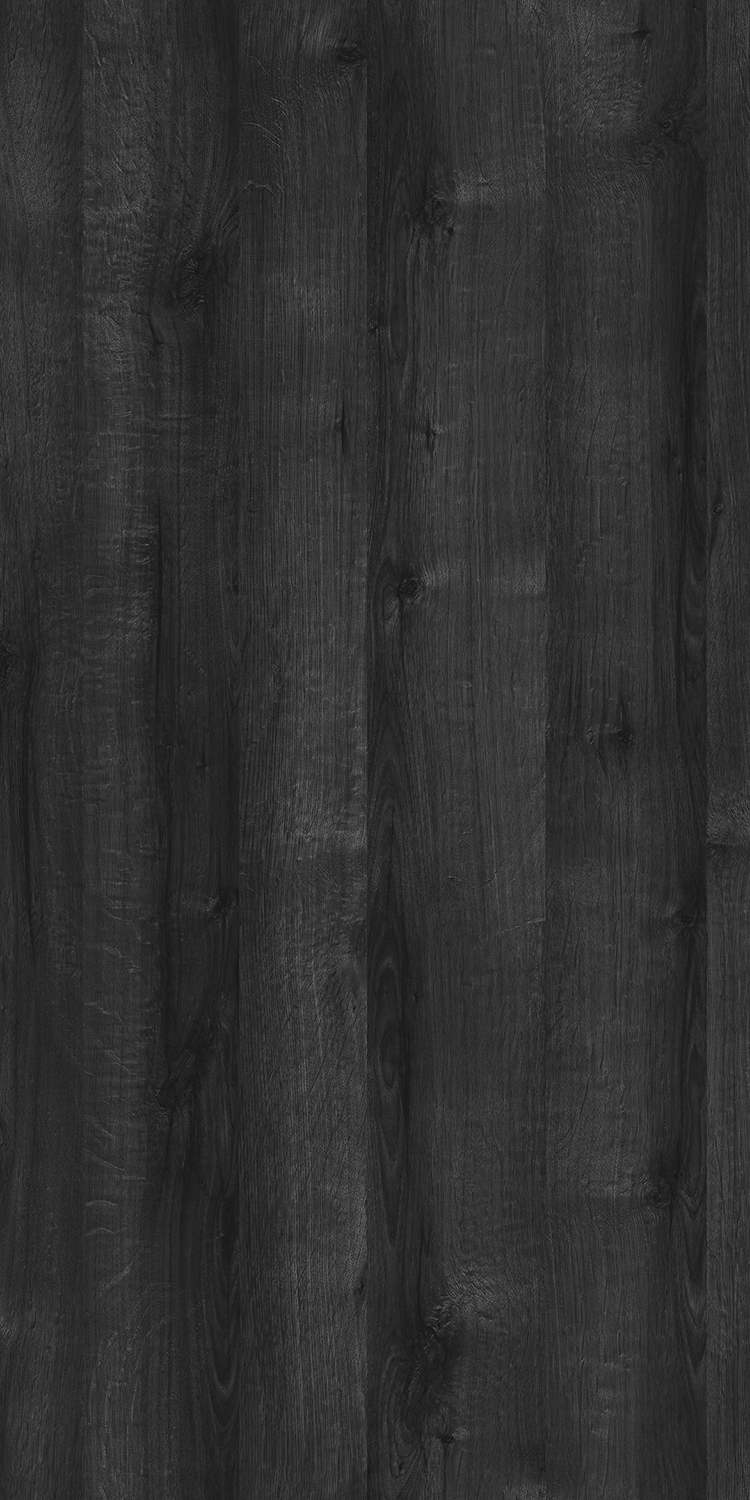
U121005
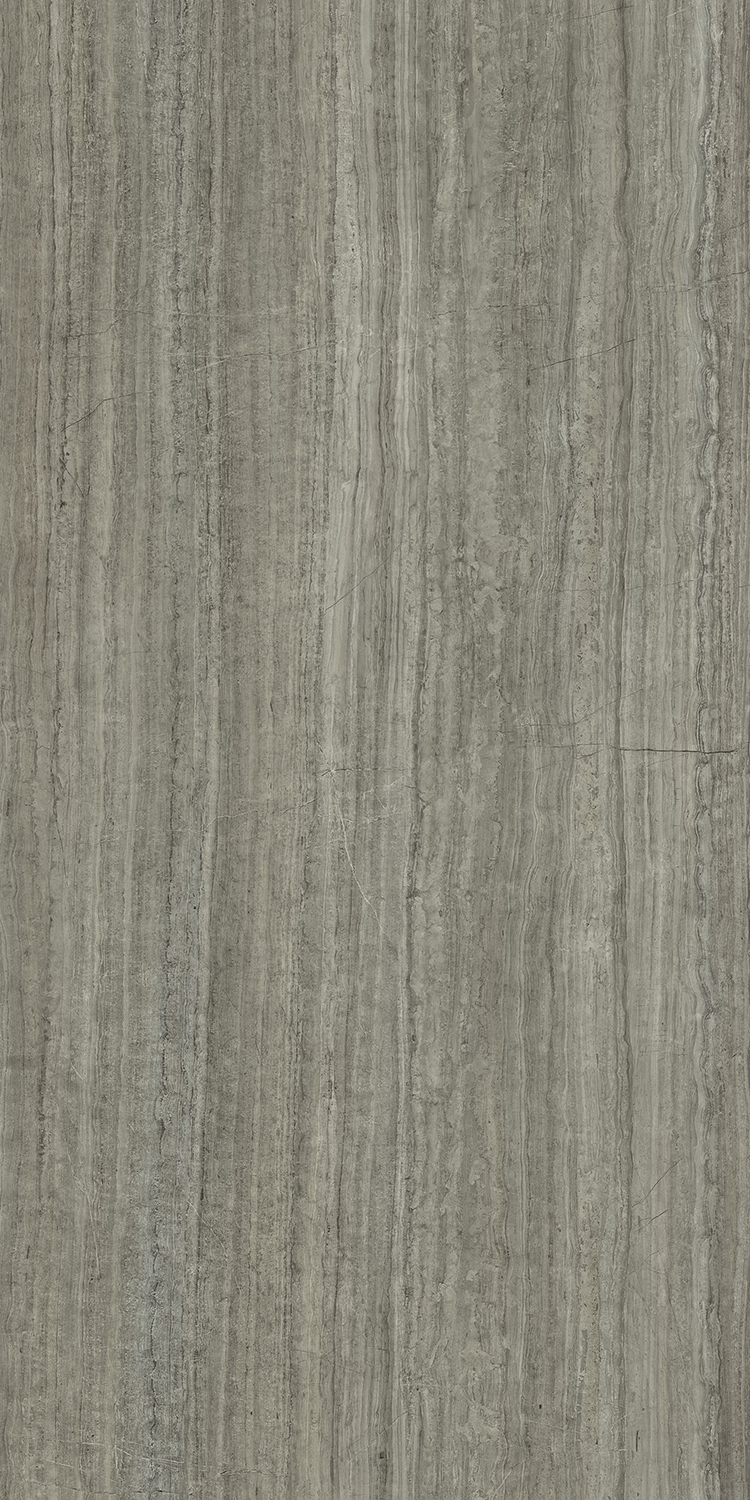
U121009
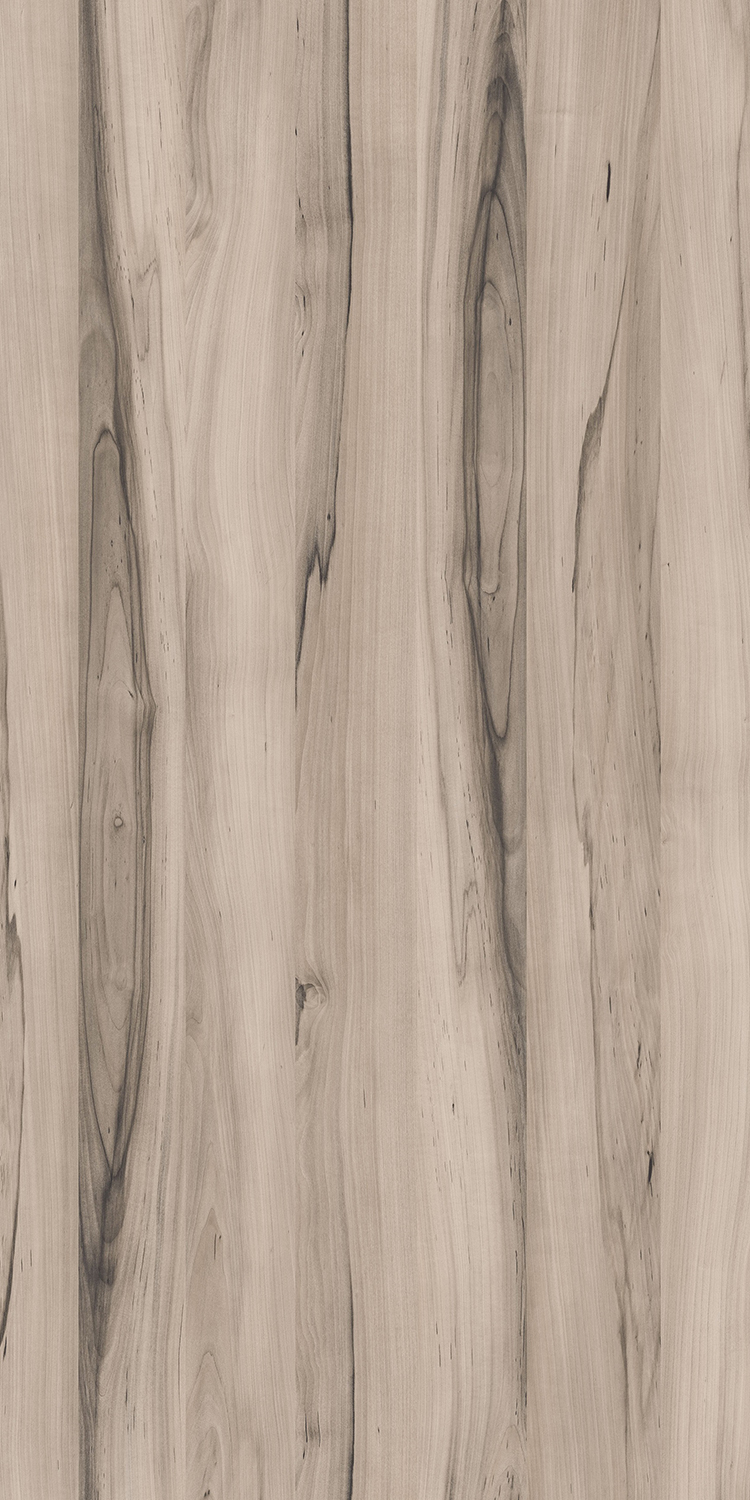
U121010
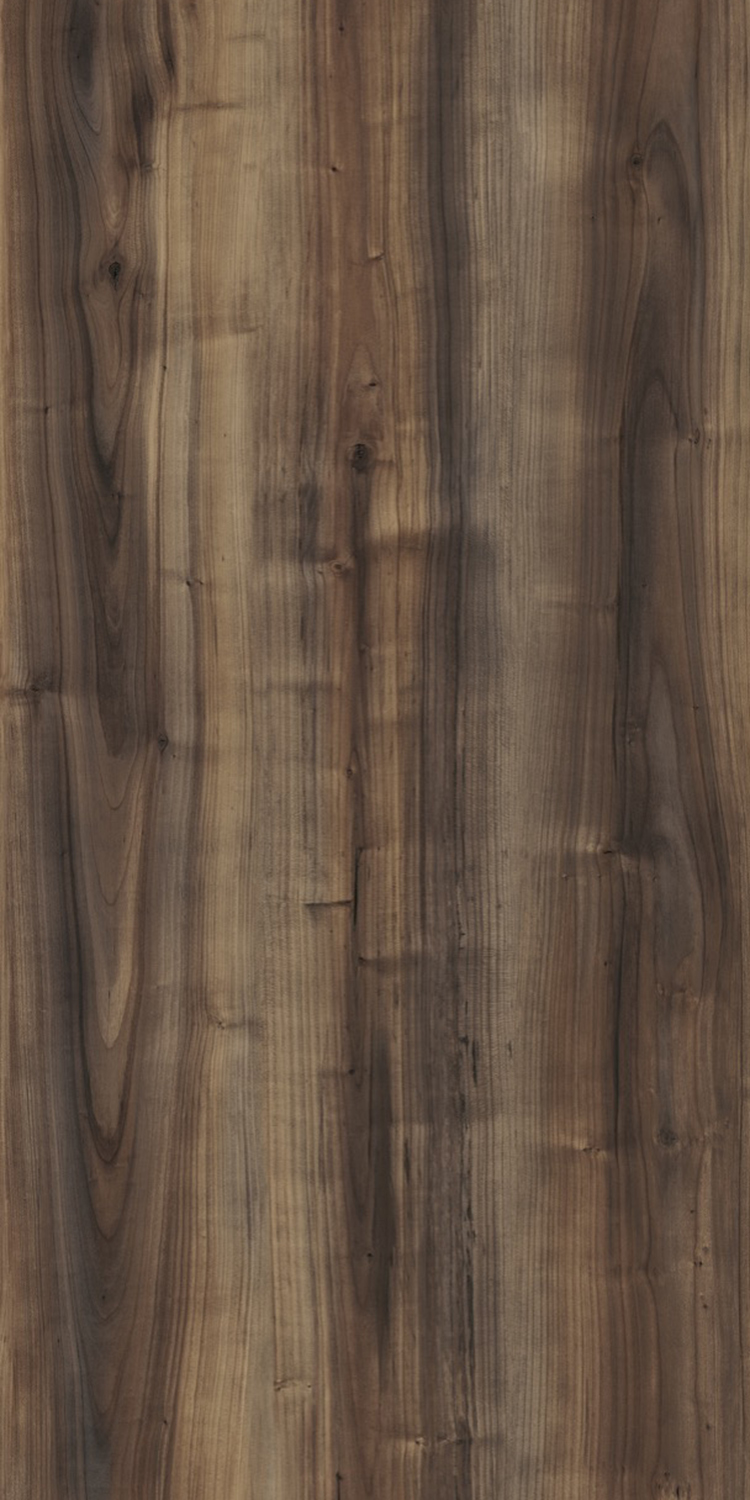
U121011
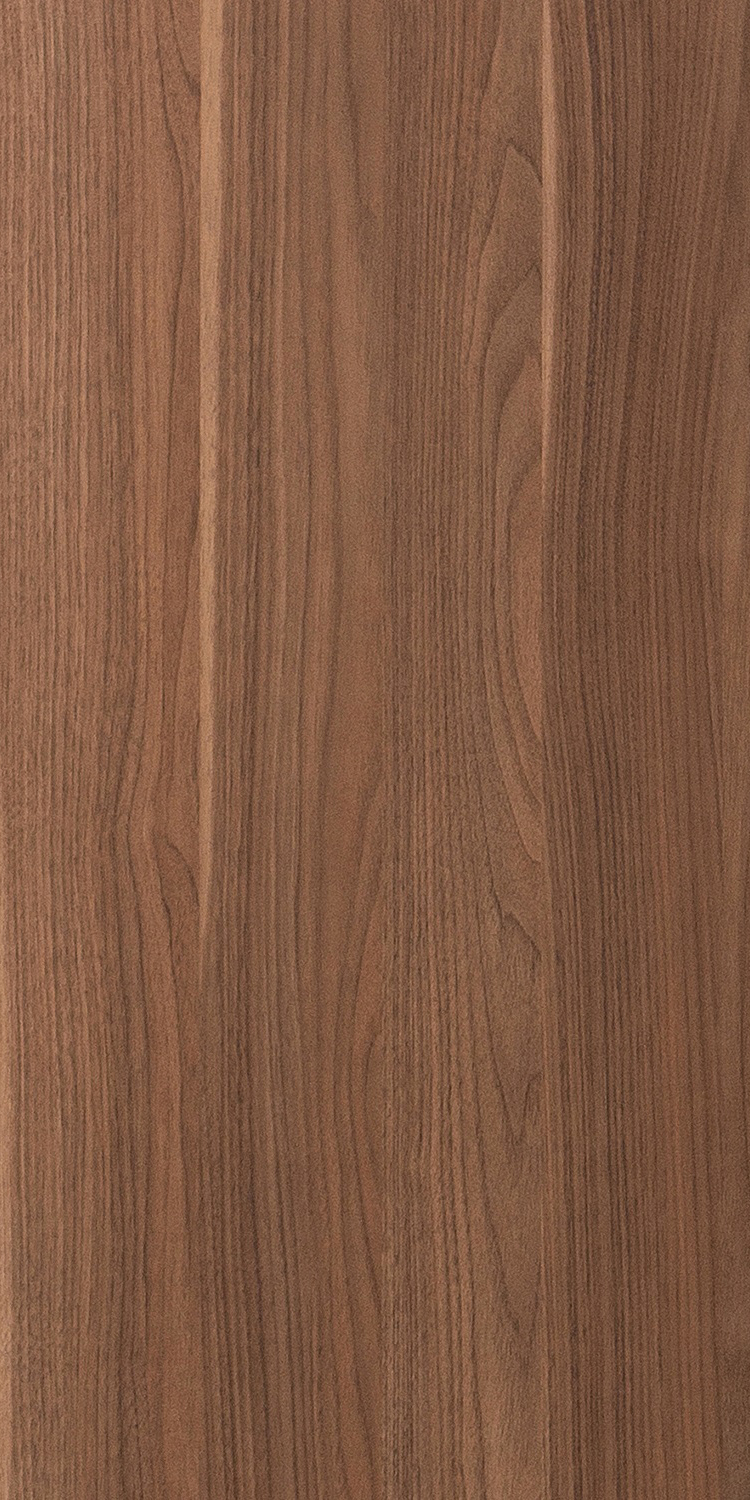
C22927
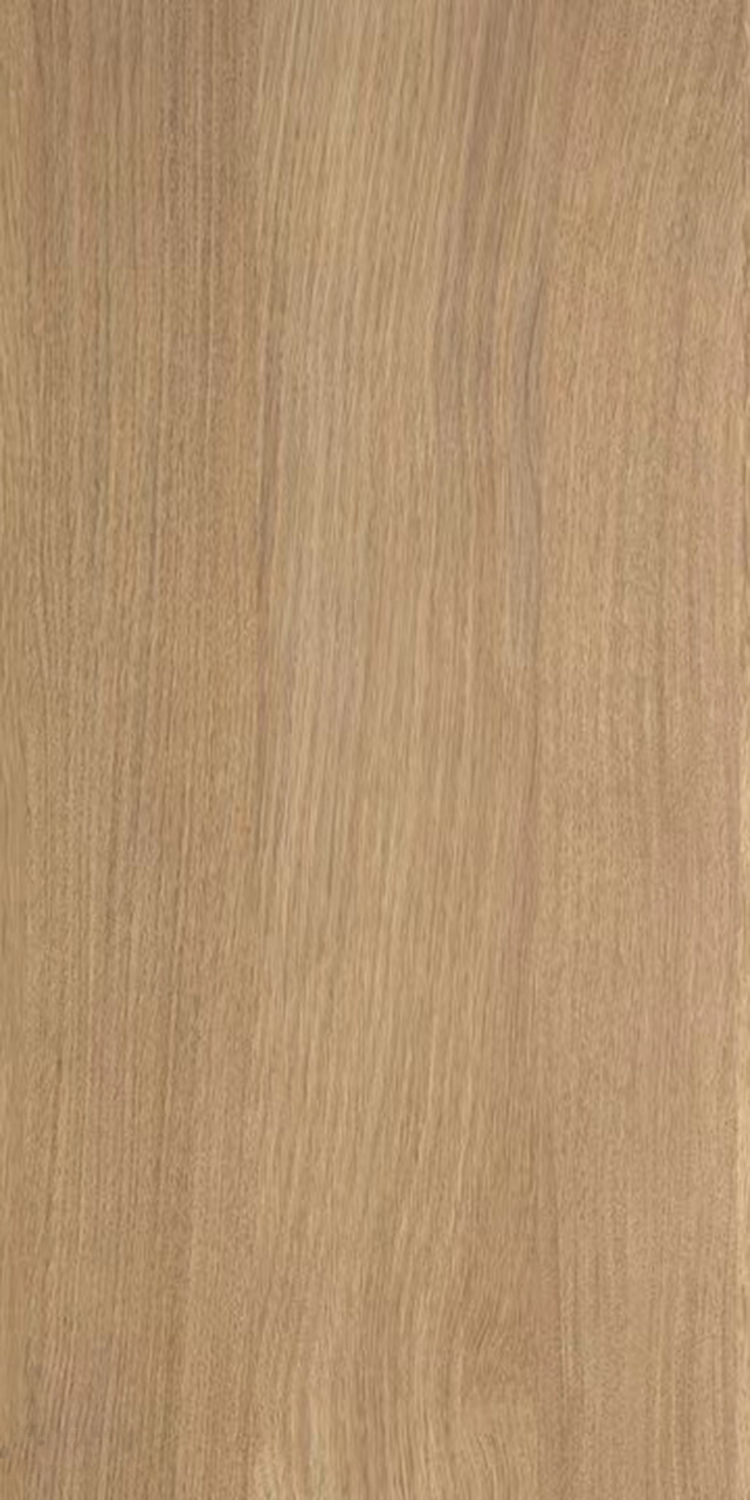
E225478
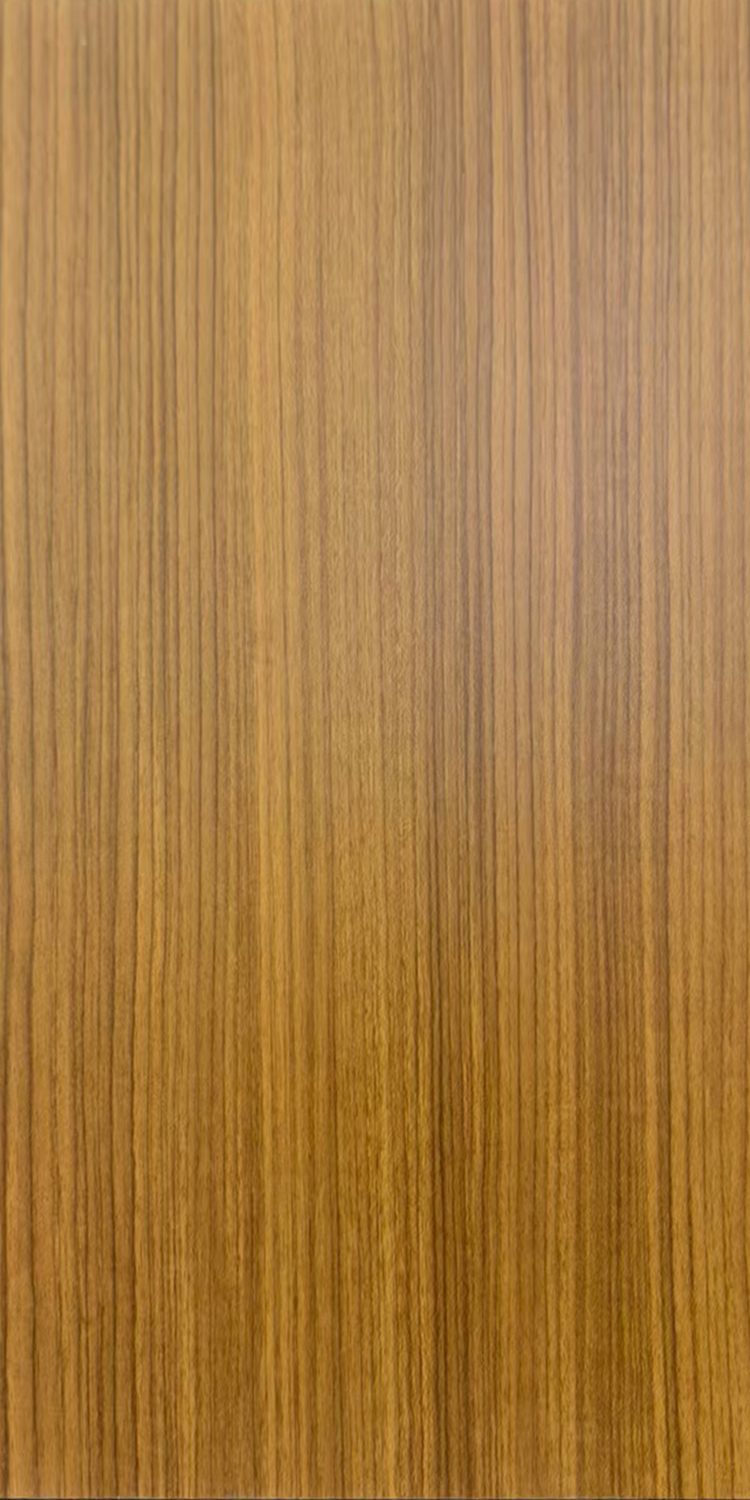
E229398
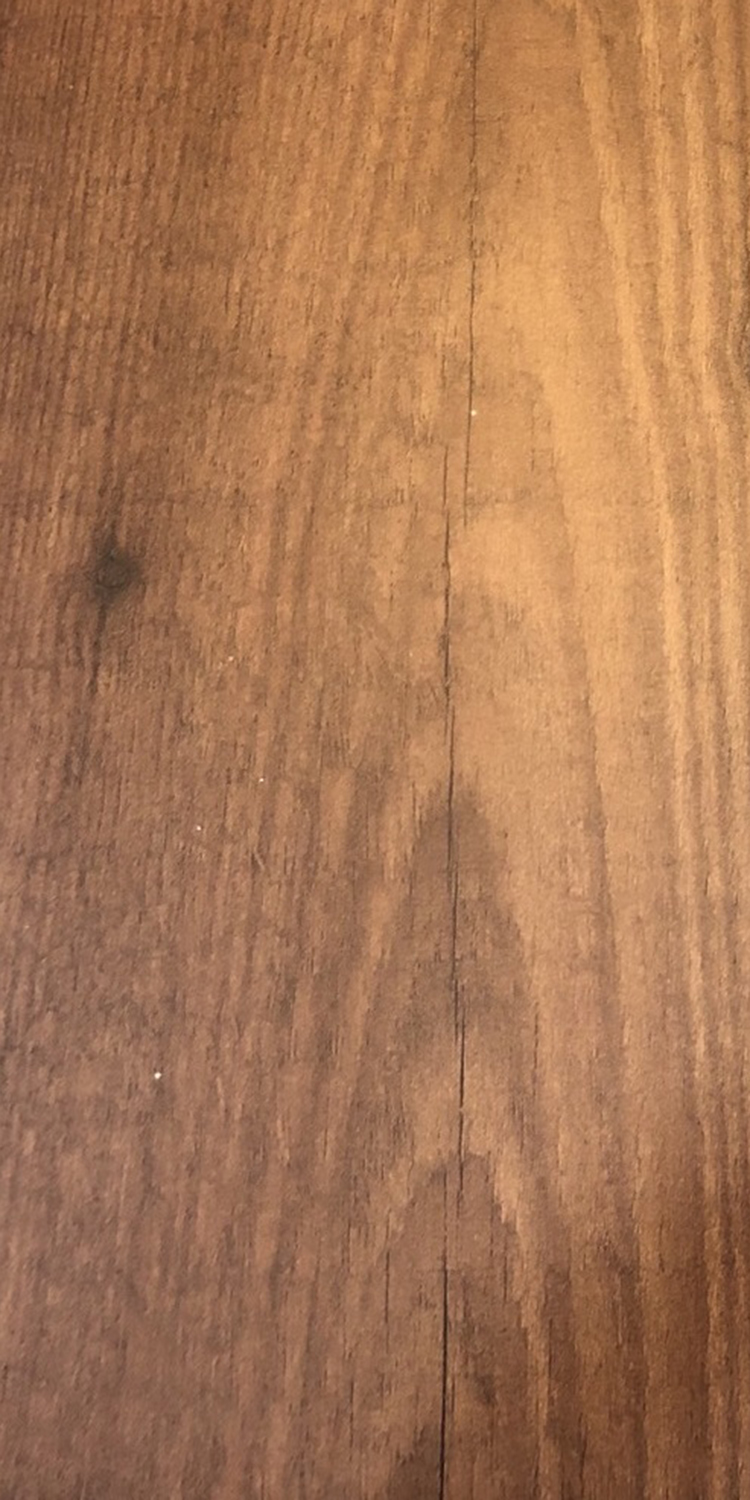
A222792
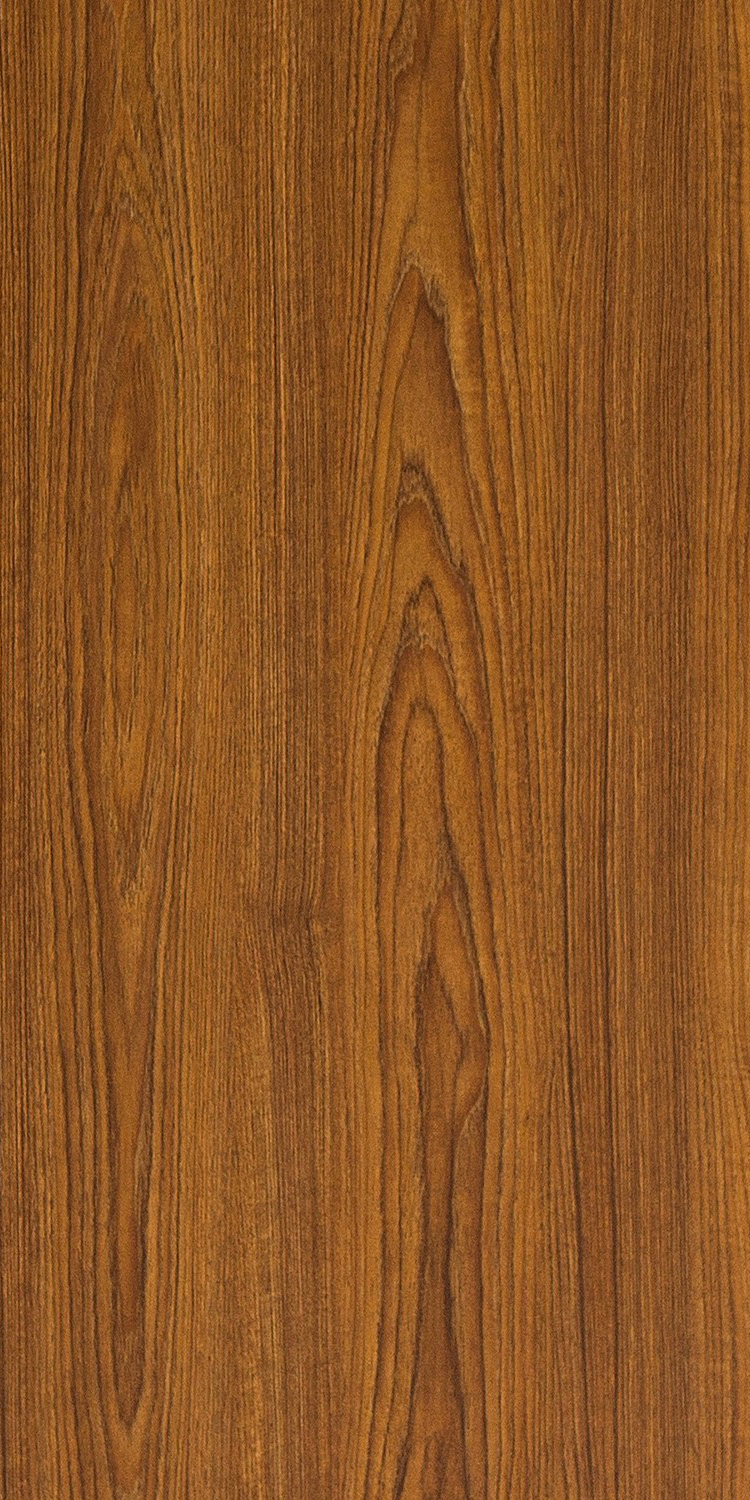
C227209
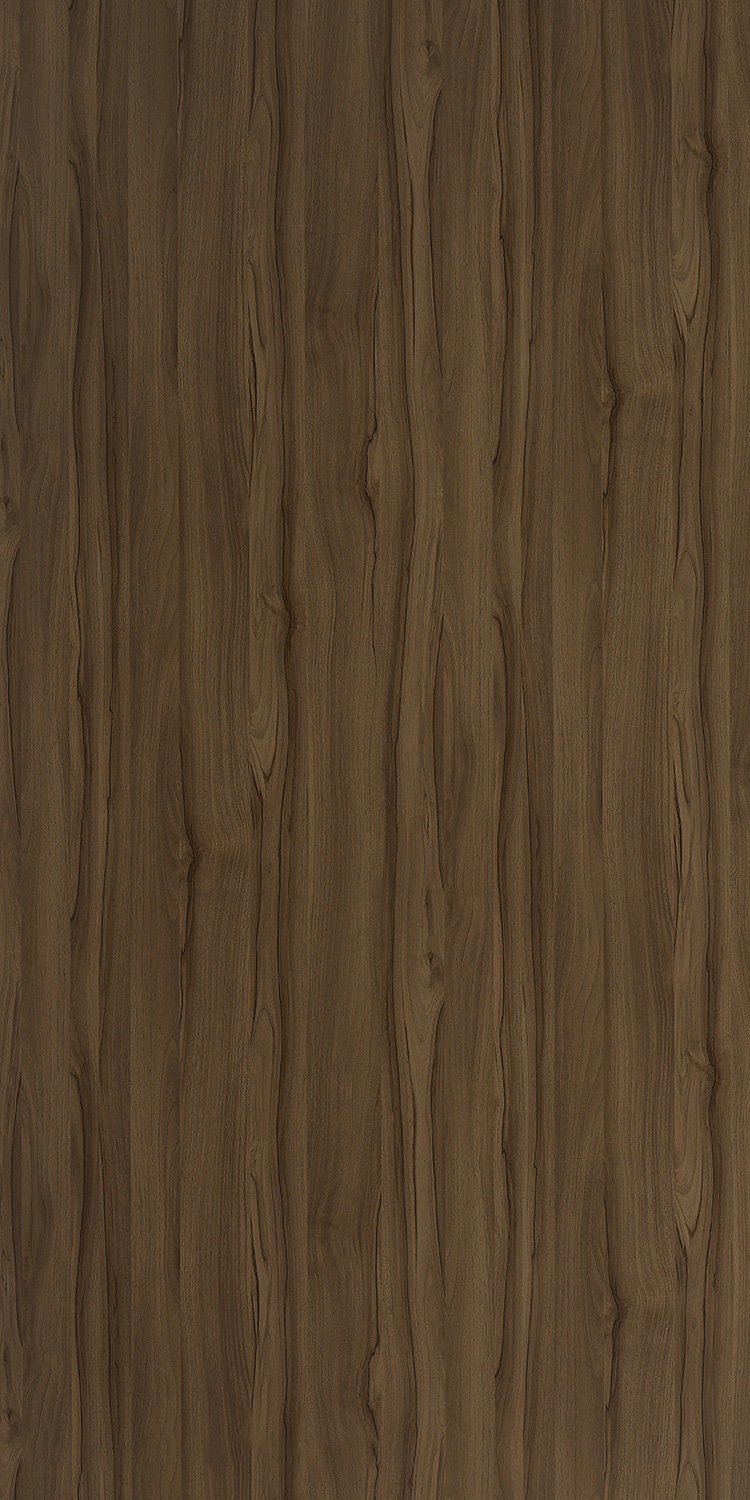
E225487
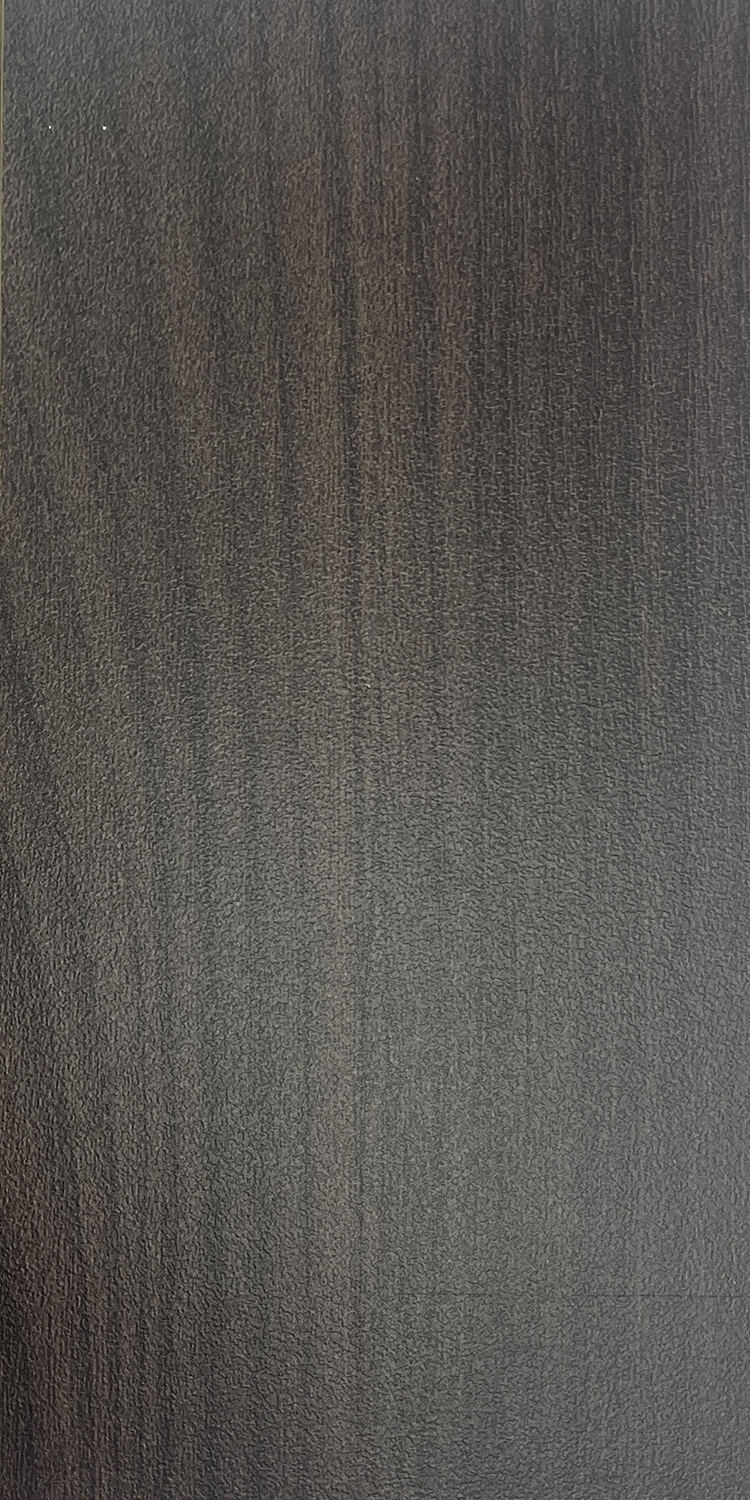
M112001

E229439
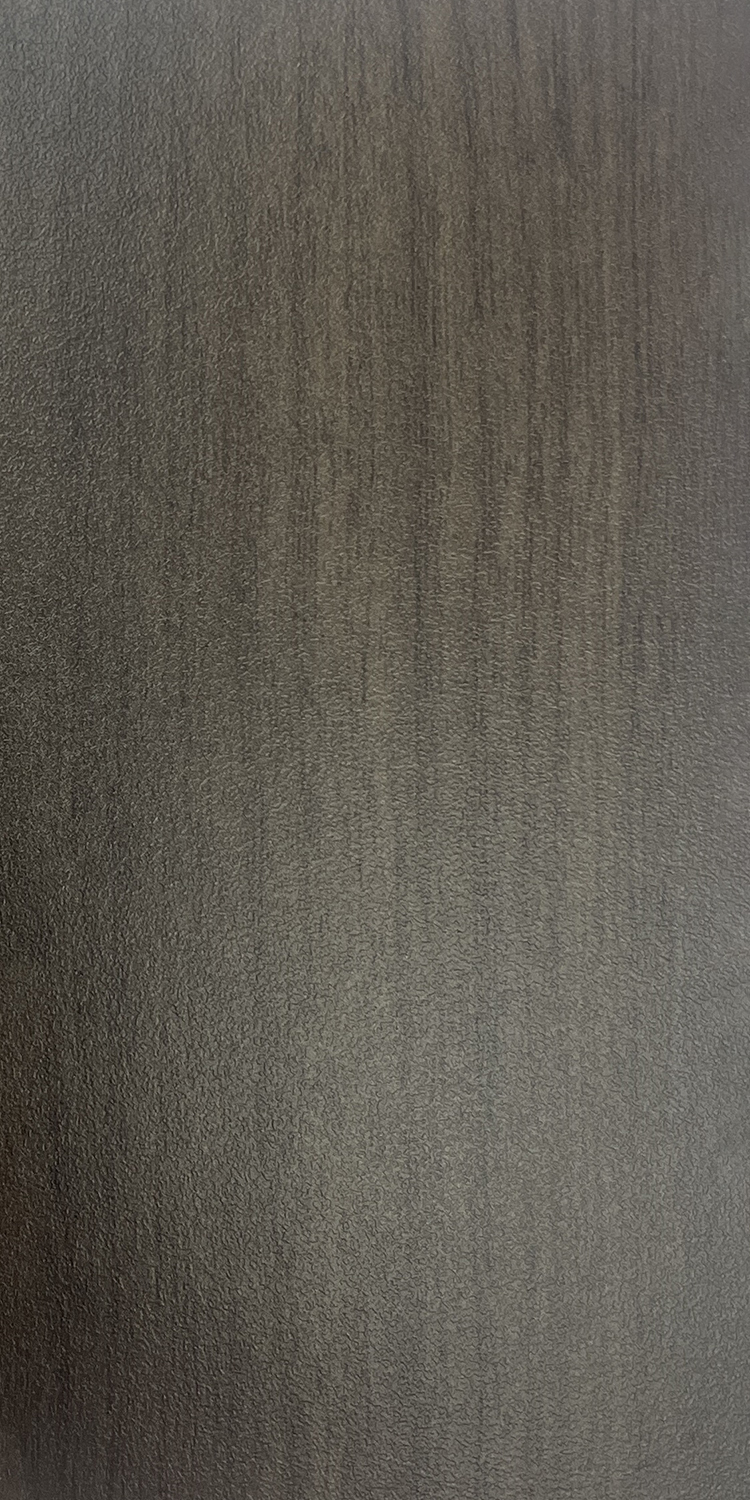
M118005
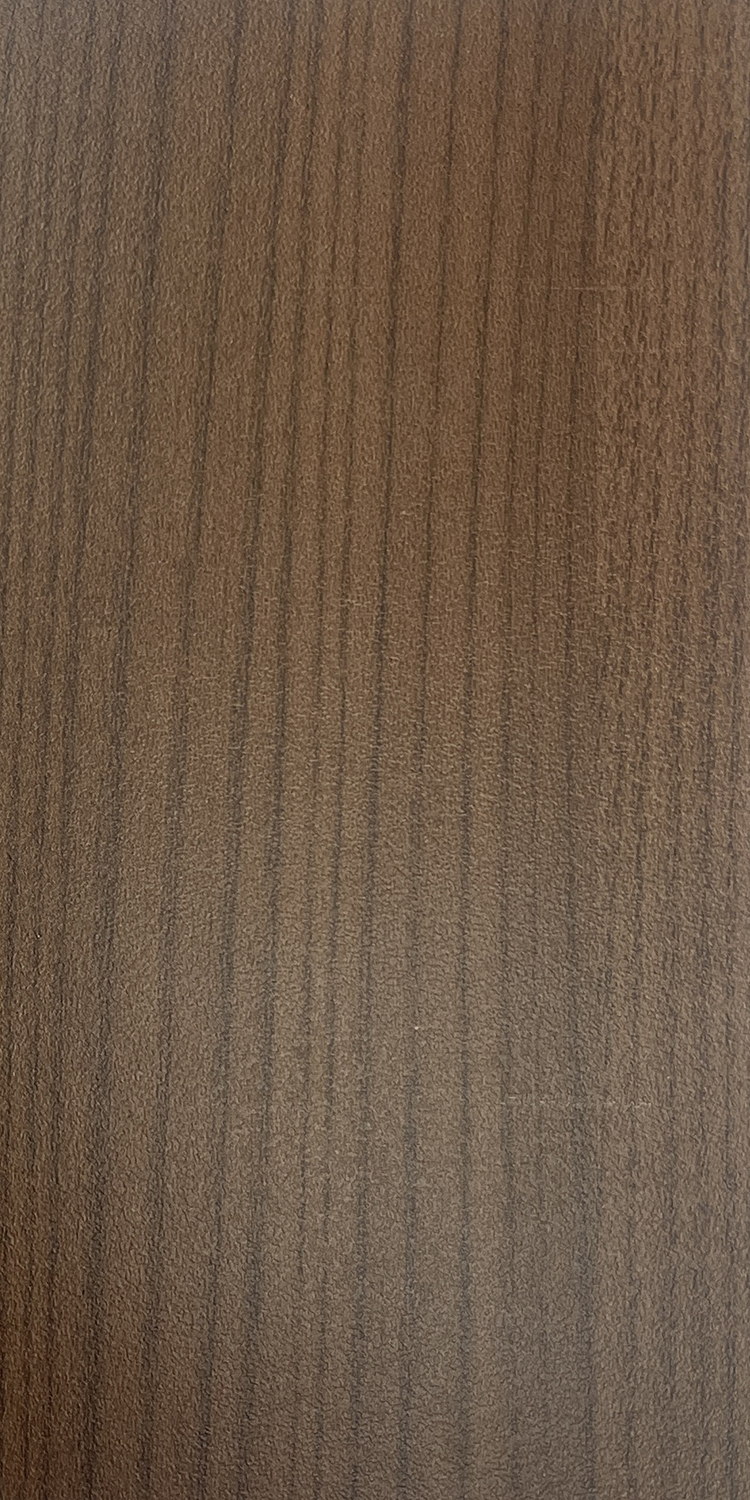
M112003
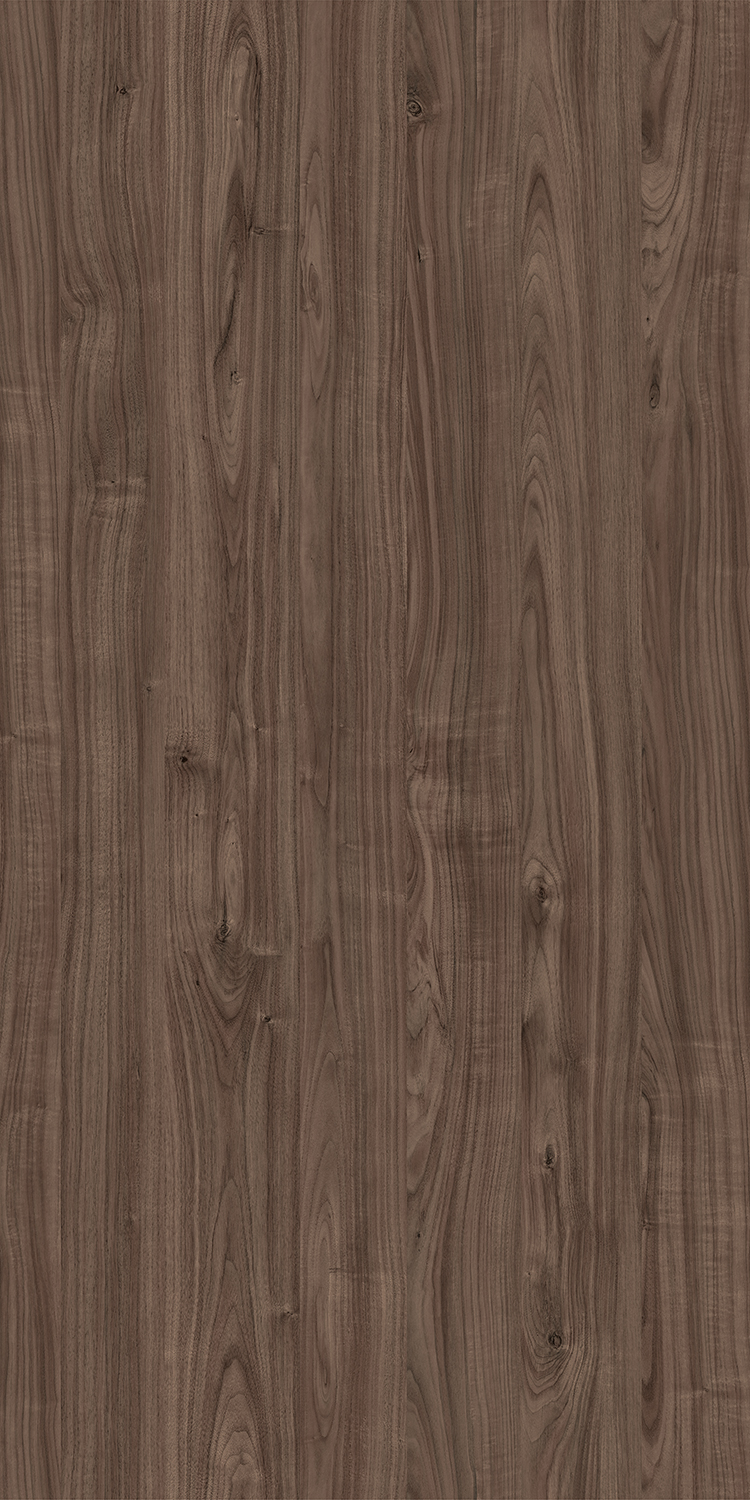
M118004
Why Choose POLYBETT as Your Phenolic Laminate Manufacturer?
More than 20 years of experience in high-pressure laminate manufacturing.
Phenolic compact laminate in approximately 1.6–30mm thicknesses.
Multiple standard and large-format sheet dimensions.
Single-sided and double-sided decorative surfaces.
Solid colors, wood grains, stone, metal, fabric and custom designs.
Interior, exterior, fire-retardant and chemical-resistant product options.
Cutting, drilling, CNC routing and customized fabrication support.
Physical samples and color-matching evaluation.
OEM and ODM services for distributors, fabricators and project contractors.
Panel inspection covering appearance, dimensions and thickness before delivery.
Export packaging and international shipping coordination.
Frequently Asked Questions About Phenolic Laminate Board
What is a phenolic laminate board made of?
It is made from multiple layers of kraft paper impregnated with phenolic resin and decorative papers treated with melamine resin. The layers are consolidated under high temperature and pressure.
Is phenolic laminate the same as compact laminate?
In furniture and architectural applications, phenolic laminate board, compact laminate, compact HPL and solid phenolic panel commonly refer to the same general resin-and-paper compact panel construction.
Is phenolic board the same as phenolic plywood?
No. Compact phenolic laminate has a core made from resin-impregnated kraft paper. Phenolic plywood has a wood-veneer core covered with a phenolic film or resin-treated surface.
What is the difference between compact laminate and thin HPL?
Thin HPL normally requires a separate substrate. Compact laminate is thicker and can be self-supporting at suitable thicknesses, allowing it to be used directly for partitions, tabletops and furniture components.
What thicknesses are available?
POLYBETT phenolic laminate boards are commonly available from approximately 1.6mm to 30mm. Frequently requested thicknesses include 3mm, 5mm, 6mm, 8mm, 10mm, 12mm, 16mm, 18mm, 20mm and 25mm.
What sheet sizes are available?
Available sizes include multiple formats from approximately 1220 × 1830mm to 1830 × 3660mm. Exact availability depends on thickness, color and product grade.
At what thickness is compact laminate self-supporting?
Self-supporting performance depends on panel thickness, dimensions, unsupported span, loading and fixing design. Panels above approximately 5mm are commonly treated as self-supporting compact laminate, but project engineering is still required.
Is phenolic laminate board waterproof?
Compact phenolic laminate provides strong resistance to water and humidity. However, the completed installation is not automatically waterproof because joints, drilled holes, fixings and surrounding construction also affect water resistance.
Can phenolic laminate be used in showers and washrooms?
Yes, suitable compact laminate can be used for toilet partitions, shower cubicles, changing rooms and vanity panels when hardware, fixings, joints and installation details are selected for the expected moisture exposure.
Is phenolic laminate board fireproof?
Standard phenolic laminate should not automatically be described as non-combustible. Standard and fire-retardant grades have different fire classifications. Request the relevant report for the exact product and thickness.
Can phenolic laminate be used outdoors?
Only an exterior-grade compact HPL panel with suitable weathering and UV performance should be used for long-term outdoor exposure. Standard interior panels should not be substituted.
Is every phenolic board chemically resistant?
No. Standard compact laminate provides practical stain resistance, but laboratory applications require a specialized chemical-resistant product tested against relevant reagents and exposure conditions.
Can phenolic laminate be used for laboratory countertops?
Yes, when a laboratory-grade chemical-resistant panel is selected. The buyer should confirm chemical resistance, heat resistance, thickness and joint details for the intended laboratory use.
Can compact laminate be used for kitchen countertops?
Yes, suitable compact laminate can be used for kitchen countertops and islands. Hot cookware should not be placed directly on the surface, and sink cut-outs should be fabricated and supported correctly.
Is phenolic laminate scratch-proof?
No decorative panel is completely scratch-proof. Phenolic laminate provides practical resistance to ordinary wear, but sharp tools, abrasive materials and direct cutting can damage the surface.
Can phenolic laminate be cut and drilled?
Yes. It can be cut, drilled, routed, tapped, sanded and CNC machined using suitable carbide-tipped or diamond tools.
Does compact laminate need edge banding?
Compact laminate normally has a homogeneous exposed black, brown or colored core and does not require conventional edge banding. The edges can be chamfered, rounded, sanded or polished.
Can screws be fixed directly into phenolic laminate?
Mechanical fixings can be used when hole sizes, pilot holes, edge distances, panel thickness and screw types are suitable. Over-tightening should be avoided.
What colors and finishes are available?
Available options include solid colors, wood grains, stone effects, metallic patterns, fabric designs and multiple matte or textured finishes.
Can the core color be customized?
Conventional compact laminate normally has a black or brown core. Colorful-core product grades are available when a coordinated decorative edge is required.
How do you clean phenolic laminate?
Use a soft cloth or sponge with clean water and mild detergent. Avoid steel wool, aggressive abrasive cleaners and unapproved strong chemicals.
Does POLYBETT provide samples?
Yes. Samples can be provided for evaluating color, texture, core construction, thickness and surface performance. Sample and courier terms depend on the requested product and destination.
What information is needed for a quotation?
Provide the application, thickness, sheet size, color, finish, quantity, fabrication requirements, performance standards, packaging requirements and destination port.
What is the MOQ and production lead time?
The typical reference MOQ is approximately 200 panels, and production commonly requires around 25 days. Final terms depend on thickness, panel size, color, quantity and the current production schedule.
Request Phenolic Laminate Samples and Pricing
Send your required thickness, sheet size, color, quantity, application, fabrication drawings and certification requirements. POLYBETT will evaluate suitable compact laminate options and provide sample and quotation information.
Contact POLYBETT
 Русский
 English
 العربية
 Français
 Español
 Português
 Deutsch
 italiano
 日本語
日本語 한국어
한국어 Nederlands
 Tiếng Việt
 ไทย
ไทย Polski
 Türkçe
 አማርኛ
አማርኛ Bahasa Melayu
 தமிழ்
தமிழ் Filipino
 Bahasa Indonesia
 magyar
 Română
 Монгол
 қазақ
қазақ Српски
 हिन्दी
 فارسی
فارسی Kiswahili
 Slovenčina
 Slovenščina
 Svenska
 українська
 Ελληνικά
 Suomi
Suomi Հայերեն
 עברית
עברית اردو
اردو Shqip
Shqip বাংলা
বাংলা Hrvatski
 Afrikaans
 Māori
Māori සිංහල
සිංහල Oʻzbekcha
 latviešu
 Беларуская мова
 Bosanski
 Български
 ქართული
 Lietuvių
 Malti
Malti Runasimi