What Is an HPL Fireproof Board?
An HPL fireproof board is a decorative high-pressure laminate or compact laminate engineered to provide improved resistance to flame spread, heat, smoke development and everyday wear. It is commonly specified for wall panels, furniture, partitions, doors, cabinets and other interior surfaces where both fire safety and appearance matter.
HPL stands for High-Pressure Laminate. It is manufactured by combining resin-impregnated kraft paper with decorative paper and a protective surface layer under high temperature and pressure. Fire-retardant grades use specially formulated materials to achieve better fire performance than standard HPL.
Quick answer: Fire-rated HPL is a durable decorative surfacing material with enhanced fire behaviour. However, it is not automatically non-combustible, and its fire rating must be verified through a valid test report for the exact product or panel assembly being purchased.
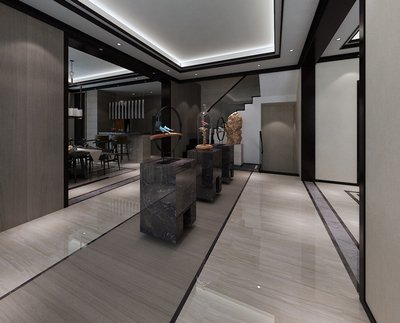
Is HPL Fireproof or Fire Retardant?
“HPL fireproof board” is a widely used commercial search term, but fire-retardant HPL or fire-rated HPL is usually more technically accurate.
Most paper-and-resin-based HPL products are not completely non-combustible. A certified fire-retardant grade is designed to reduce flame spread, limit smoke or prevent flaming droplets under specified test conditions. It does not mean the material can withstand unlimited exposure to fire.
Buyers should distinguish between the following terms:
Fire resistant: Able to maintain a defined function or integrity for a specified time under a particular fire test.
Fire retardant: Formulated or treated to slow ignition and flame spread.
Fire rated: Tested and classified according to a recognized standard.
Non-combustible: Meets much stricter requirements for contribution to fire, normally associated with classifications such as Euroclass A1 or A2.
Never accept the word “fireproof” as proof of compliance. The correct purchasing question is: Which fire standard, classification, thickness, substrate and installation system does this product certificate cover?
How Is Fire-Retardant HPL Manufactured?
Fire-rated HPL is produced through a controlled multi-stage process:
Raw paper preparation: Selected kraft paper forms the structural core, while decorative paper provides the color or pattern.
Resin impregnation: Kraft paper is normally impregnated with phenolic resin. Decorative and overlay papers typically use melamine-based resin systems.
Fire-retardant formulation: The resin system, paper treatment or core formulation is modified to improve fire behaviour.
Layer assembly: Impregnated sheets are stacked according to the required grade and thickness.
High-pressure pressing: Heat and pressure cure the thermosetting resins and consolidate the layers into a dense material.
Finishing and inspection: Sheets are trimmed, sanded, classified and checked for thickness, surface quality and physical performance.
The final fire performance depends on more than the visible surface. Core formulation, product thickness, substrate, adhesive, backing sheet, joints and installation method can all affect the tested result.
What Are the Main Types of HPL Fireproof Board?
Fire-Retardant HPL Sheet
Thin fire-retardant HPL is normally bonded to a supporting substrate such as fire-rated particleboard, MDF, plywood, calcium silicate board, cement board or metal. It is used for furniture, doors, cabinetry and decorative wall panels.
Because the laminate is only one component, buyers must evaluate the complete laminated panel, not just the surface sheet.
Fire-Rated Compact HPL
Compact HPL is a thicker, dense laminate that may be self-supporting at suitable thicknesses. It generally has decorative surfaces on both sides and does not always require a separate wood-based substrate.
Typical applications include toilet partitions, lockers, wall cladding, cubicles, countertops and high-traffic public interiors. Fire-rated compact grades are often identified as CGF under EN 438 terminology.
Vertical-Grade Fire-Retardant HPL
Vertical-grade laminate is intended primarily for low-impact vertical surfaces such as wall panels, cabinet faces and door skins. Under EN 438 terminology, a flame-retardant vertical general-purpose grade may be identified as VGF.
Horizontal-Grade Fire-Retardant HPL
Horizontal-grade HPL is designed for surfaces requiring higher wear and impact resistance, including desks, counters and work surfaces. A flame-retardant horizontal general-purpose grade may be identified as HGF.
Exterior Fire-Retardant HPL
Exterior-grade compact laminate must combine fire performance with UV resistance, weather resistance and suitable fixing performance. An interior fire certificate should not be assumed to cover an exterior façade application.
Which Fire Ratings and Standards Should Buyers Check?
Fire classifications from different countries are not directly interchangeable. The project specification and local building regulations should determine which test documentation is required.
Standard
Primary Market
What It Evaluates
What Buyers Should Verify
|
|
|
|
EN 438 | Europe and international HPL markets | HPL product classification and performance requirements | Grade designation, thickness, application and whether the product is flame retardant |
EN 13501-1 | Europe | Reaction-to-fire classification | Complete classification such as B-s1,d0, plus the field of application |
ASTM E84 / UL 723 | United States | Surface flame spread and smoke development | Flame Spread Index, Smoke Developed Index and tested assembly |
ISO 4586 | International | Decorative high-pressure laminate performance | Applicable product type and declared properties |
IMO FTP Code | Marine projects | Fire performance of materials used on ships | Module certificates, product scope and approved installation |
How to Read a Euroclass Rating
A classification such as B-s1,d0 contains three separate pieces of information:
B: Limited contribution to fire under the specified test conditions.
s1: Low smoke production within that classification system.
d0: No flaming droplets or particles observed within the relevant test criteria.
The classification must be read together with its supporting test or classification report. Thickness range, mounting method, air gap, substrate, adhesive and end-use conditions may restrict where the rating can be claimed.
How to Interpret ASTM E84
ASTM E84 measures surface-burning characteristics, including the Flame Spread Index and Smoke Developed Index. A Class A result is often requested for commercial interiors, but the classification does not mean the panel is non-combustible or fireproof.
Confirm whether the result covers the decorative laminate alone or the finished panel with the proposed substrate and adhesive.
What Are the Key Benefits of Fire-Rated HPL?
Improved Fire Behaviour
The primary advantage is reduced flame spread and improved smoke or droplet performance compared with standard, non-fire-retardant laminate of a similar type.
High Wear and Impact Resistance
HPL performs well in busy interiors where surfaces face frequent contact, abrasion and impact. This makes it suitable for schools, hospitals, transport facilities, hotels and commercial buildings.
Design Flexibility
Fire-rated laminates can be supplied in solid colors, woodgrains, stone patterns, metallic effects and textured finishes. Designers can therefore meet safety requirements without relying exclusively on visually industrial materials.
Easy Cleaning and Hygiene
The smooth, non-porous decorative surface is generally easy to clean. Special grades may also offer antibacterial or enhanced chemical-resistant properties, but these features require separate supporting documentation.
Moisture Resistance
Compact HPL has strong resistance to surface moisture and is commonly selected for humid interiors. Thin HPL bonded to MDF or particleboard is different: exposed substrate edges, cutouts and joints can still absorb water.
Lower Lifecycle Maintenance
A properly specified HPL system normally requires limited routine maintenance. Its resistance to stains, scratches and everyday wear can reduce refinishing and replacement frequency in high-traffic environments.
Where Is HPL Fireproof Board Commonly Used?
Commercial Buildings
Typical uses include reception areas, corridor wall panels, elevator interiors, doors, counters and built-in furniture. Verify the required fire classification for escape routes and public circulation areas.
Healthcare Facilities
Hospitals and clinics use HPL for wall protection, nurse stations, cabinets, lockers and furniture because it combines cleanability, durability and decorative flexibility. Fire performance, chemical resistance and hygiene requirements should be specified separately.
Schools and Public Buildings
Fire-rated HPL is suitable for classroom furniture, partitions, wall cladding, lockers and washroom cubicles. Impact resistance and ease of repair are particularly important in these projects.
Hotels and Hospitality Interiors
Applications include guest-room furniture, corridors, doors, restaurant counters and decorative wall panels. Procurement teams should confirm that submitted certificates match the hotel brand standard and local fire code.
Transportation and Marine Interiors
Trains, stations, airports and ships may require specialized fire, smoke, toxicity and mechanical tests. A general building-material certificate may not be sufficient for transportation or marine approval.
Laboratories and Industrial Interiors
HPL can be used for laboratory furniture, cabinets and wall systems. Where aggressive chemicals are present, specify a dedicated chemical-resistant grade instead of assuming that every fire-rated HPL offers the same resistance.
How Do You Choose the Right HPL Fireproof Board?
1. Start with the End-Use Requirement
Define whether the product will be used on a wall, ceiling, door, worktop, partition, façade or piece of furniture. Horizontal, vertical, interior and exterior applications require different grades.
2. Confirm the Required Fire Standard
Do not write only “fireproof HPL” on the inquiry. State the required standard and classification, such as EN 13501-1 B-s1,d0 or a specified ASTM E84 class.
3. Specify the Complete Panel Construction
Identify the following components:
HPL grade and nominal thickness
Substrate type and thickness
Adhesive system
Balancing or backing sheet
Panel dimensions
Joint and edge treatment
Fixing system and ventilation cavity
Changing one of these components may affect the certified fire performance.
4. Match Thickness to Structural Requirements
Thin HPL requires a substrate. Compact laminate may become self-supporting at sufficient thickness, but span, load, fixing distance and impact requirements must still be calculated for the application.
5. Check Additional Performance Requirements
Fire rating is only one part of the specification. Depending on the project, also evaluate:
Abrasion and scratch resistance
Impact resistance
Water and humidity resistance
UV and weather resistance
Chemical resistance
Formaldehyde and VOC emissions
Food-contact or hygiene requirements
Color consistency and lightfastness
6. Request Production Samples
Approve physical samples before mass production. Check color under the project lighting, surface texture, edge appearance, thickness tolerance and compatibility with the proposed fabrication process.
Fire-Rated HPL vs Other Panel Materials
Material
Fire Performance
Durability
Design Options
Important Limitation
|
|
|
|
|
Fire-rated HPL on substrate | Depends on laminate and complete assembly | High surface durability | Very wide | Edges, adhesive and substrate must be correctly specified |
Fire-rated compact HPL | Available in certified fire-retardant grades | High | Wide | Not normally equivalent to a non-combustible panel |
Standard HPL | Lower than a certified fire-retardant grade | High | Very wide | Should not replace fire-rated HPL where certification is required |
Melamine-faced board | Depends heavily on board construction | Moderate | Wide | Usually lower wear and impact resistance than HPL |
Mineral or calcium silicate board | Can offer very high fire performance | Good but surface-dependent | More limited without an added finish | Heavier and may require additional decorative treatment |
Metal panel | Metal skins may be non-combustible, but the core matters | High | Moderate to wide | Cost, denting and core composition require evaluation |
What Documents Should You Request from an HPL Supplier?
An experienced buyer should request a documentation package before confirming the order:
Current technical data sheet
EN 438 or ISO 4586 product classification
Full fire test or classification report
Certificate showing product name, grade and thickness
Details of the tested substrate, adhesive and mounting method
Declaration of Performance where applicable
Formaldehyde or VOC test report if required
Installation and fabrication instructions
Cleaning and maintenance guide
Warranty terms and exclusions
Check the laboratory name, report number, issue date, applicant, manufacturer, product code and tested construction. A certificate belonging to another factory, thickness or product family should not be accepted without written evidence that it covers the supplied material.
International Procurement Checklist
Use this checklist when comparing quotations from HPL manufacturers:
Product identity: Does the quotation use exactly the same product code as the test report?
Fire classification: Is the required standard and complete rating clearly stated?
Scope: Does the report cover the ordered thickness, substrate and intended application?
Dimensions: Are sheet size, thickness and tolerances confirmed?
Finish: Are decor code, texture, gloss level and color tolerance agreed?
MOQ: Is the minimum order based on each color, size or total order?
Packaging: Are pallets protected against moisture, impact and edge damage?
Inspection: Can pre-shipment inspection and sample comparison be arranged?
Traceability: Can the supplier provide batch numbers and production records?
Claims: Are sustainability, antibacterial and chemical-resistance claims supported by separate reports?
Incoterms: Are freight responsibilities, destination charges and insurance clearly allocated?
Claims procedure: Is there an agreed process for color variation, damage or specification failure?
Common Procurement Mistakes to Avoid
Buying Based Only on the Word “Fireproof”
Marketing terminology is not a substitute for a classification report. Always specify a recognized test standard.
Checking Only the Decorative Surface
A fire-rated laminate applied to an unsuitable substrate with an unapproved adhesive may not achieve the expected assembly rating.
Comparing Certificates from Different Test Standards
Euroclass and ASTM classifications measure fire behaviour through different test systems. Do not treat similarly named classes as automatic equivalents.
Ignoring the Field of Application
A report may cover only certain thicknesses, substrates, mounting methods or air gaps. Read the classification scope and extension rules.
Using Interior HPL Outdoors
Fire performance does not prove UV or weather resistance. Exterior products require separate evidence for outdoor durability.
Assuming Every HPL Is Chemical Resistant
Standard HPL tolerates normal cleaning, but laboratories and industrial environments may require a specialized chemical-resistant surface.
Approving Color from a Digital Image
Screen colors are unreliable. Approve a physical sample from the proposed production range and retain it as the control sample.
Installation Considerations for Fire-Rated HPL Panels
Correct installation protects both appearance and certified performance:
Condition the laminate and substrate in the same environment before fabrication.
Store sheets flat, dry and protected from direct sunlight.
Use the substrate and adhesive specified in the approved assembly.
Apply a suitable balancing sheet where required to reduce warping.
Use carbide-tipped tools and smooth all machined edges.
Radius internal cutout corners to reduce stress cracking.
Allow for dimensional movement and specified expansion gaps.
Seal exposed substrate edges in humid or wet environments.
Follow the certified fixing and cavity arrangement for wall systems.
Where code compliance is critical, the architect, fire consultant or local authority should approve the complete construction before installation.
How Should Fire-Rated HPL Be Cleaned and Maintained?
For routine cleaning, use a soft cloth or sponge with water and a mild neutral detergent. Remove spills promptly and dry the surface after cleaning.
Avoid abrasive pads, steel wool and harsh cleaners unless the manufacturer specifically approves them. Strong acids, alkalis and aggressive solvents may permanently damage the decorative surface.
Regularly inspect panel joints, edges, fixings and sealants. Damage that exposes a combustible substrate or changes the certified construction should be repaired using an approved method.
Frequently Asked Questions About HPL Fireproof Board
Can HPL Fireproof Board Burn?
Fire-retardant HPL can still be affected by sufficient heat and flame. Its purpose is to achieve controlled fire behaviour under a specified test, not to remain unaffected by every fire condition.
Is Fire-Rated HPL Non-Combustible?
Usually not. Most paper-and-resin HPL products should not be described as non-combustible unless a valid test and classification explicitly support that claim.
What Does B-s1,d0 Mean?
Under EN 13501-1, B indicates limited contribution to fire, s1 indicates low smoke production, and d0 indicates no flaming droplets or particles within the applicable test criteria.
Is Standard HPL Fire Resistant?
Standard HPL may resist brief contact with ordinary heat, but that does not make it a certified fire-retardant grade. Where a project requires a fire classification, use the specified F-grade or tested panel system.
What Is the Difference Between HGF, VGF and CGF?
Under EN 438 terminology, HGF generally refers to flame-retardant HPL suitable for horizontal use, VGF to flame-retardant HPL intended for vertical use, and CGF to flame-retardant compact laminate.
Can Fire-Rated HPL Be Used in Bathrooms?
Compact HPL is commonly used in humid washroom environments. For HPL bonded to wood-based panels, edges, cutouts and joints require careful sealing because the underlying substrate may absorb moisture.
Can It Be Used for Exterior Cladding?
Only use a product specifically tested and approved for exterior exposure and the proposed façade system. Interior fire-rated HPL should not automatically be used outdoors.
Does a Thicker Board Always Have a Better Fire Rating?
No. Fire performance depends on formulation, thickness, substrate, mounting and test conditions. A thicker standard board does not automatically outperform a thinner certified fire-retardant product.
How Can I Verify a Supplier’s Fire Certificate?
Match the manufacturer, product name, grade, thickness and construction on the report to the quotation and samples. Confirm the issuing laboratory and ask for the complete report when the certificate scope is unclear.
What Information Should Be Included in an RFQ?
Include the end use, required standard and classification, product grade, thickness, sheet size, substrate, finish, decor, quantity, destination, inspection requirement and required technical documents.
Final Recommendation
The best HPL fireproof board is not simply the product with the strongest marketing claim. It is the product whose fire classification, construction, durability, documentation and installation method all match the actual project.
Before placing an order, define the required fire standard, verify the complete panel assembly, approve physical samples and check that every certificate corresponds to the exact material being supplied. This procurement process reduces compliance risk, installation problems and costly replacement after delivery.
If you are sourcing fire-rated HPL for wall panels, furniture, partitions, doors or commercial interiors, provide your required fire classification, application, thickness, dimensions and destination. The supplier can then recommend an appropriate grade and prepare the relevant technical documentation for evaluation.
 Русский
 English
 العربية
 Français
 Español
 Português
 Deutsch
 italiano
 日本語
日本語 한국어
한국어 Nederlands
 Tiếng Việt
 ไทย
ไทย Polski
 Türkçe
 አማርኛ
አማርኛ Bahasa Melayu
 தமிழ்
தமிழ் Filipino
 Bahasa Indonesia
 magyar
 Română
 Монгол
 қазақ
қазақ Српски
 हिन्दी
 فارسی
فارسی Kiswahili
 Slovenčina
 Slovenščina
 Svenska
 українська
 Ελληνικά
 Suomi
Suomi Հայերեն
 עברית
עברית اردو
اردو Shqip
Shqip বাংলা
বাংলা Hrvatski
 Afrikaans
 Māori
Māori සිංහල
සිංහල Oʻzbekcha
 latviešu
 Беларуская мова
 Bosanski
 Български
 ქართული
 Lietuvių
 Malti
Malti Runasimi