High-Pressure Laminate (HPL) has solidified its status as a top-tier choice in the global building materials market, driven by social media’s influence on interior design trends and a growing demand for durable, aesthetically versatile solutions. A question that consistently tops buyers’ lists? How long does HPL actually last? The answer hinges on a mix of material quality, installation practices, and environmental factors—but industry data and real-world performance paint a clear picture of its long-term value.
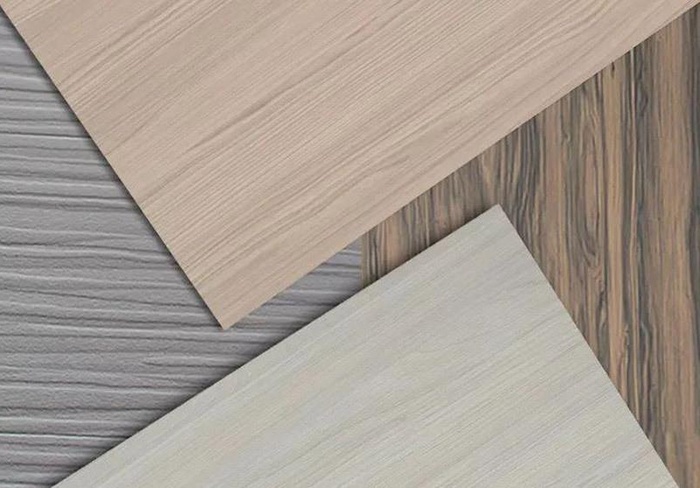
The Core Truth: HPL Lifespan Range & Industry Consensus
Unlike fleeting materials that require frequent replacement, HPL is engineered for longevity. According to industry benchmarks and manufacturer data, the lifespan of HPL spans a impressive spectrum:
Basic to Mid-Range HPL: For standard-grade products used in low-traffic indoor spaces (e.g., residential bedrooms or home offices), the average lifespan ranges from 10 to 15 years. These products typically come with 5–10 year warranties, reflecting their reliable performance under moderate use.
High-Quality Commercial & Premium HPL: Top-tier HPL—crafted with high-density kraft paper, advanced resin formulations, and precision manufacturing—can last 15 to 30 years, and in some well-maintained cases, even longer.
First, What Is HPL? The Science Behind Its Durability
To understand HPL’s longevity, you first need to grasp its unique composition and manufacturing process—this is where its durability begins. HPL is a composite material built for resilience, consisting of multiple layers bonded under extreme heat (120–160°C) and pressure (1,000–1,400 psi):
Core Layers: Up to 48 layers of virgin kraft paper impregnated with phenolic resin. This dense, resin-fortified core controls thickness and delivers structural strength, resisting warping and impact.
Decorative & Protective Layers: Two top layers of melamine-impregnated decorative paper, which add custom patterns (from wood grain to stone) and a hard, wear-resistant surface. This outer layer repels stains, fades slowly, and stands up to daily abrasion .
This layered construction isn’t just for looks—it creates a material that’s inherently scratch-resistant, moisture-proof, and stable, even under the stress of daily use. High-end HPL variants (often used in data centers or healthcare facilities) take this further: with surface (abrasion resistance) exceeding 9,000 cycles (far above the international Class T standard of 4,000 cycles) and excellent performance in temperature fluctuations from -20°C to 70°C .
5 Key Factors That Make or Break HPL Lifespan
While HPL is engineered for durability, its actual lifespan is shaped by how well it’s made, installed, and cared for. Below are the most critical variables:
1. Material Quality: The Foundation of Longevity
Superior raw materials and manufacturing processes are non-negotiable for extended HPL life. High-quality HPL uses virgin (not recycled) kraft paper (higher density = better strength) and high-purity resins (ensures uniform bonding and resistance to moisture). These choices translate to tangible performance benefits: scratch resistance that stands up to pet claws or kitchen utensils, fade resistance under sunlight, and abrasion resistance that handles busy restaurant floors .
Conversely, low-cost HPL often cuts corners with recycled paper or diluted resins, leading to premature cracking, peeling, or discoloration—reducing lifespan to as little as 5–8 years.
2. Professional Installation: Avoid Premature Failure
Even the best HPL will fail early if installed incorrectly. Common installation mistakes that shorten lifespan include:
Inadequate substrate preparation (e.g., uneven or damp underlayment, which causes HPL to warp or delaminate).
Poor sealing of edges and joints (lets moisture seep into the core, leading to swelling).
Improper spacing for thermal expansion (causes cracking when temperatures fluctuate).
Following the manufacturer’s installation guidelines—using compatible adhesives, ensuring substrate dryness (moisture content ≤6% for wood substrates), and hiring certified installers—can add 5–10 years to HPL’s lifespan.
3. Environmental Conditions: Adapt to Your Space
HPL’s performance varies dramatically based on where it’s installed. Extreme or unregulated environments accelerate aging, while controlled spaces preserve its integrity:
Challenging Environments: Coastal areas (saltwater humidity), outdoor patios (direct sunlight and rain), or commercial kitchens (high heat and moisture) can reduce lifespan by 30–40% if unprotected. For these spaces, choose “exterior-grade HPL” with UV inhibitors and enhanced water resistance .
Ideal Environments: Indoor spaces with stable temperature (18–24°C) and humidity (40–60%)—like living rooms, offices, or retail stores—allow HPL to reach its full 20–30 year potential.
4. Usage Intensity: Match HPL Grade to Traffic
Wear and tear directly correlates to how often (and how heavily) HPL is used:
Low-Traffic Areas (residential bedrooms, home offices): Even mid-grade HPL will thrive, as scratches and impacts are minimal.
High-Traffic/Heavy-Use Areas (hospital corridors, restaurant countertops, data center floors): Require commercial-grade HPL with enhanced core density and surface hardness. Without this, frequent foot traffic, equipment movement, or hot surface contact can lead to premature dents and scratches .
Proactive measures like using furniture pads, floor mats in entryways, or trivets for hot cookware can significantly reduce wear, extending lifespan by 30% or more.
5. Regular, Proper Maintenance: Simple Steps for Longevity
HPL’s low-maintenance nature is part of its appeal—but “low maintenance” doesn’t mean “no maintenance.” The right care routine preserves its protective layer and structural integrity:
Daily Cleaning: Wipe up spills immediately with a damp cotton cloth or soft sponge. For stuck-on debris, use a mild soap solution (avoid harsh chemicals like bleach or ammonia, which erode the melamine top layer).
Periodic Care: Every 3–6 months, wipe surfaces with a non-abrasive cleaner formulated for laminate to remove built-up grime. Avoid scouring pads or steel wool, which scratch the protective finish.
Damage Prevention: Fix loose edges or chips promptly (using manufacturer-recommended repair kits) to prevent moisture from seeping into the core.
Why HPL’s Lifespan Makes It a Smart Investment
HPL’s longevity isn’t just about time—it’s about value. When you factor in its 10–30 year lifespan, low maintenance costs, and competitive upfront price, HPL outperforms many alternatives: natural stone (prone to cracking, requires sealing every 1–2 years) or solid wood (susceptible to water damage and warping). For commercial spaces, this translates to lower replacement costs over time; for homeowners, it means a surface that stays beautiful through decades of family life.
Final Takeaway: Maximize Your HPL’s Lifespan
HPL’s lifespan isn’t a fixed number—it’s a range you can influence. To get the most out of your investment:
Choose high-quality HPL from reputable brands with clear warranty terms.
Hire certified installers and ensure proper substrate preparation.
Match HPL grade to your space (e.g., exterior-grade for patios, commercial-grade for lobbies).
Follow a simple, consistent maintenance routine.
With these steps, your HPL surfaces will deliver durability, style, and value for decades—proving why it remains a favorite in homes and businesses worldwide.
 Русский
 English
 العربية
 Français
 Español
 Português
 Deutsch
 italiano
 日本語
日本語 한국어
한국어 Nederlands
 Tiếng Việt
 ไทย
ไทย Polski
 Türkçe
 አማርኛ
አማርኛ Bahasa Melayu
 தமிழ்
தமிழ் Filipino
 Bahasa Indonesia
 magyar
 Română
 Монгол
 қазақ
қазақ Српски
 हिन्दी
 فارسی
فارسی Kiswahili
 Slovenčina
 Slovenščina
 Svenska
 українська
 Ελληνικά
 Suomi
Suomi Հայերեն
 עברית
עברית اردو
اردو Shqip
Shqip বাংলা
বাংলা Hrvatski
 Afrikaans
 Māori
Māori සිංහල
සිංහල Oʻzbekcha
 latviešu
 Беларуская мова
 Bosanski
 Български
 ქართული
 Lietuvių
 Malti
Malti Runasimi