Solid core chemical-resistant laminate panel is an upgraded high-performance material derived from veneered chemical-resistant laminate panels. It integrates superior corrosion resistance, antibacterial properties, stain resistance, and easy cleanability, making it the benchmark material for laboratory countertops, medical workbenches, and industrial chemical processing surfaces. This guide systematically elaborates on its structural characteristics, core advantages, performance standards, maintenance methods, and typical applications to provide actionable references for material selection.
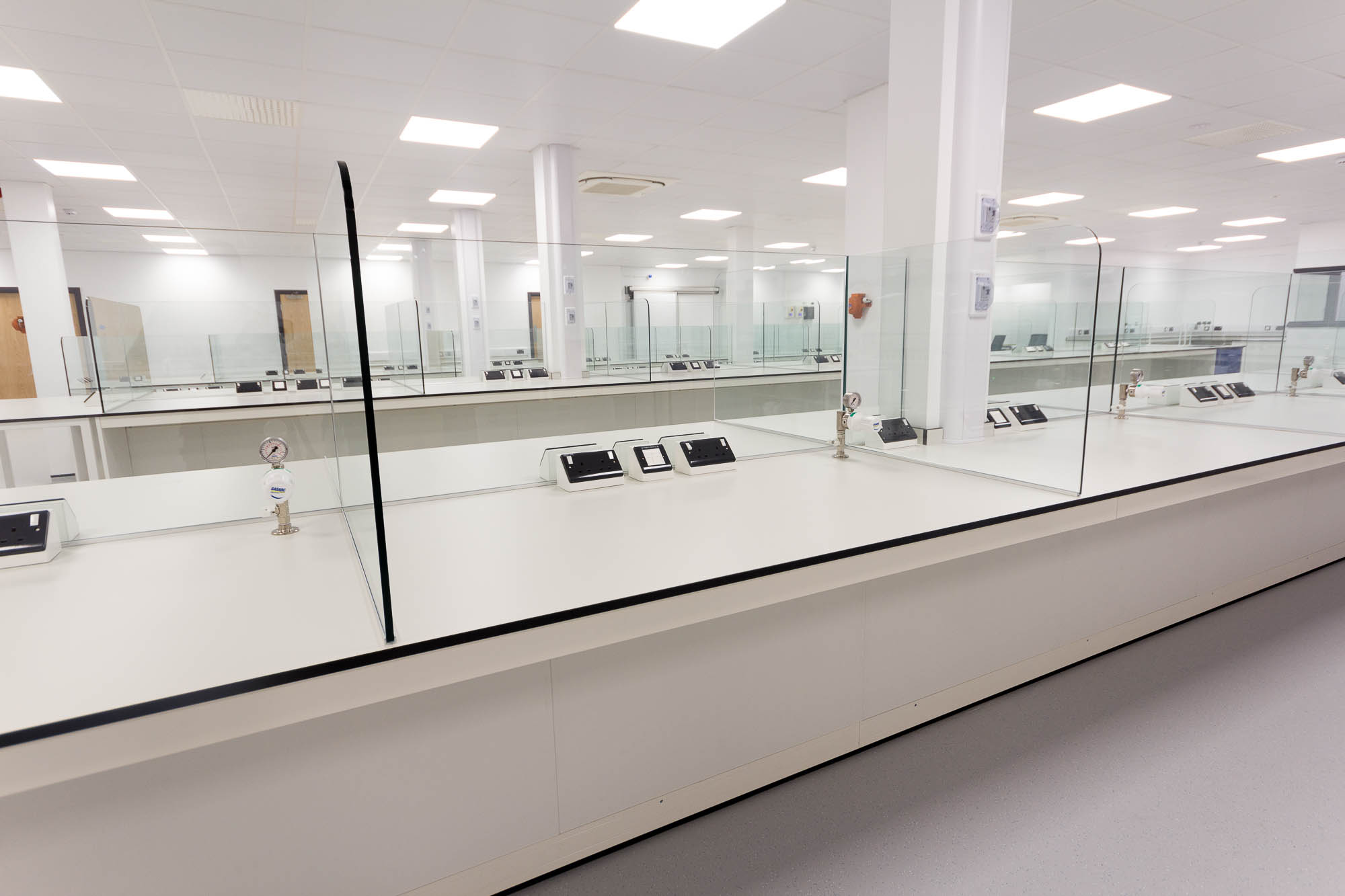
1. Product Overview & Core Definition
Chinese Name: Solid Core Chemical-Resistant Laminate Panel
Core Positioning: A one-piece composite panel developed for harsh corrosive environments, upgraded from traditional veneered chemical-resistant panels by thickening the core layer and optimizing the pressing process.
Core Value: Eliminates the need for substrate bonding, achieves full waterproofing and high strength, and balances cost-effectiveness with professional performance—widely recognized in laboratory and medical fields.
2. Unique Layered Structure: Foundation of High Performance
The solid core chemical-resistant laminate panel adopts a multi-layer integrated structure, with each layer synergistically enhancing performance. Unlike veneered panels that rely on external substrates, its solid core design (thickness ≥3mm) enables direct application as countertops or cabinet panels. The detailed structure is as follows:
Chemical-Resistant Film (Surface Layer): A specialized polymer film that forms the first barrier against acids, alkalis, and organic solvents. Complies with the corrosion resistance requirements of ASTM D543-06 (Standard Test Methods for Resistance of Plastics to Chemical Reagents), ensuring long-term resistance to chemical erosion.
Overlay Paper: High-density resin-impregnated overlay paper, which enhances surface smoothness, wear resistance, and locks the decorative layer to prevent fading.
Deco Paper: Melamine resin-impregnated decorative paper, available in conventional colors (black, white, gray) and customizable hues. Ensures uniform color and meets the aesthetic needs of different spaces.
Special Kraft Paper (Core Layer, Multiple Layers): The core load-bearing component, made of high-strength kraft paper fully impregnated with phenolic resin. Multiple layers are stacked and pressed under high temperature and pressure to form a dense, solid core, providing exceptional strength and waterproofing.
Recommended Thickness: For countertop applications, a thickness of 13mm or above is recommended (common specifications: 9mm, 13mm, 16mm, 19mm, 25.4mm) to ensure sufficient load-bearing capacity and structural stability, meeting the mechanical performance requirements of EN 438-2:2016 (Decorative high-pressure laminates (HPL) for surfacing).
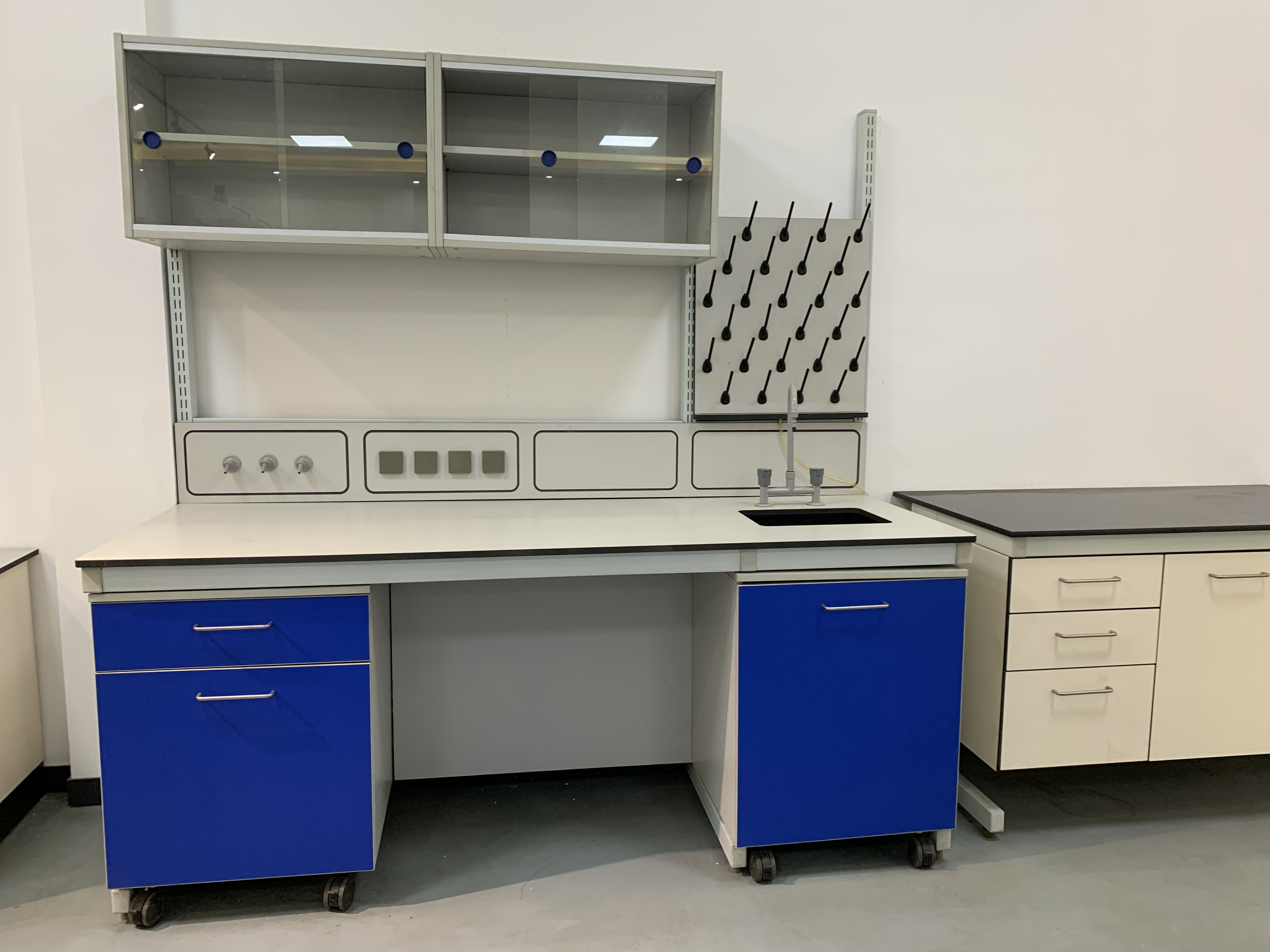
3. Core Advantages: Surpassing Traditional Veneered Panels
Compared with veneered chemical-resistant laminate panels, solid core products have obvious competitive edges in structure, performance, and cost, mainly reflected in the following aspects:
3.1 Enhanced Structural Strength & Full Waterproofing
Through core layer thickening and high-temperature high-pressure pressing, the panel forms a homogeneous solid structure with no internal gaps. It achieves complete waterproofing (no water penetration even after long-term immersion) and avoids delamination—a common defect of veneered panels in humid environments. Its bending strength and impact resistance exceed the requirements of GB/T 7911-2013 (High-pressure decorative laminates for interior use), supporting direct use without substrate bonding.
3.2 Cost-Effectiveness & High Customizability
Compared with high-end materials such as epoxy resin panels, solid core chemical-resistant laminate panels have lower production and construction costs while meeting most routine chemical experiment needs. It supports customization of colors, sizes, and thicknesses according to customer demands, adapting to different space layouts and design styles of laboratories, hospitals, and industrial workshops.
3.3 Mature Surface Technology & Stable Quality
The surface chemical film technology has undergone over 10 years of iteration and optimization. Leading manufacturers adopt EBC (Electron Beam Curing)technology instead of traditional high-temperature curing, which brings multiple performance upgrades:
Stronger surface chemical corrosion resistance and scratch resistance;
Excellent UV resistance, no fading under long-term light exposure;
Low formaldehyde emission (complies with GB 18580-2017 E0 level standards), more eco-friendly;
Energy-saving production process, in line with global low-carbon trends.
Corrosion Resistance: Resists most acids, alkalis, and organic solvents; meets ASTM D543-06 Class 1 resistance level.
Scratch Resistance: Dense surface structure resists scratches from sharp instruments; surface pencil hardness ≥6H (per GB/T 6739-2006).
Antibacterial Properties: Non-porous surface inhibits the growth of Escherichia coli and Staphylococcus aureus, antibacterial rate ≥99% (complies with GB/T 21866-2008).
UV Resistance: No obvious discoloration after 1000 hours of UV aging test (per ASTM G154-16).
Environmental Friendliness: Formaldehyde emission ≤0.124mg/m³ (E0 level, GB 18580-2017), no harmful VOC emissions.
High Temperature Resistance: Resists short-term high temperatures; avoids long-term exposure to ≥135℃ to prevent surface damage (meets EN 438-2:2016 heat resistance standards).
Stain Resistance: Non-porous surface does not absorb stains; easy to wipe clean without residue.
Easy Cleaning: Compatible with warm water, acetone, and mild detergents; no specialized maintenance required.
Impact Resistance: Passes the 1kg steel ball drop test (height 500mm) without cracking (per GB/T 1408.1-2006).
Radiant Heat Resistance: Withstands short-term radiant heat; requires a tripod for heat sources like alcohol lamps.
Temperature Control: Do not expose to environments ≥135℃ for a long time; avoid contact with open flames, molten metals, or metal sparks to prevent surface carbonization.
Humidity Management: Avoid prolonged placement in extremely humid environments; seal edges with professional sealant to prevent moisture erosion of edge structures.
Mechanical Protection: Do not scratch the surface with sharp objects or use the panel as a cutting board; place heavy objects gently to avoid impact damage.
Chemical Spill Handling: Wipe up spilled strong acids, alkalis, or organic solvents immediately with a neutral detergent to avoid prolonged corrosion.
Cleaning Agent Selection: Use warm water, acetone, or mild neutral detergents; do not use abrasive cleaners with granular particles to prevent damage to the chemical-resistant film.
Heat Insulation: Place a heat-insulating mat or tripod under gas lamps, alcohol lamps, or other heat sources to isolate radiant heat.
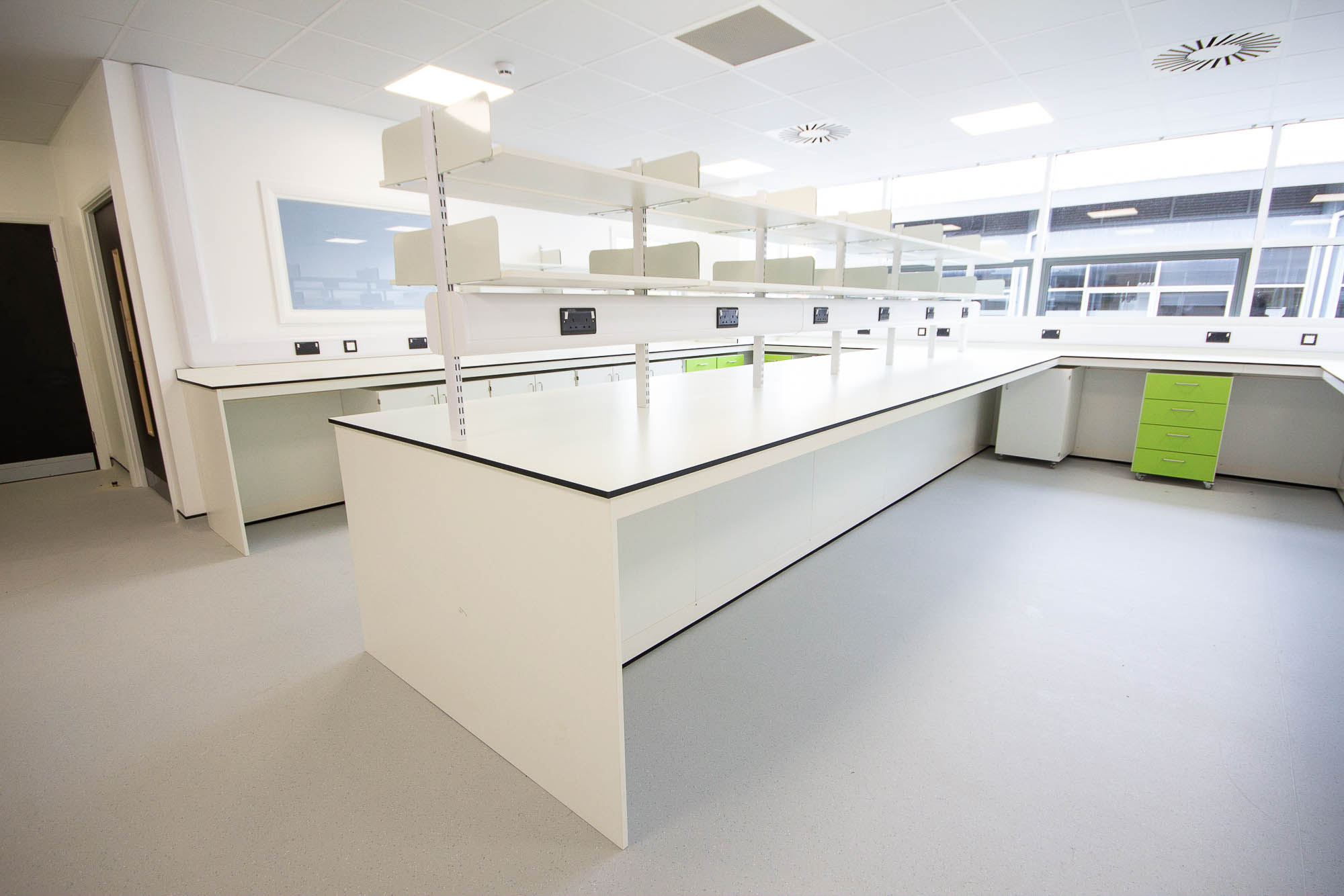
4. Typical Application Scenarios
Due to its comprehensive performance, solid core chemical-resistant laminate panels are widely used in fields with strict requirements for corrosion resistance, hygiene, and durability:
Laboratory Countertops: Chemical laboratories, biological laboratories, medical testing laboratories, and school chemistry experiment tables—resisting reagent erosion and easy to disinfect.
Medical Facilities: Hospital pharmacy countertops, disinfection workbenches, and clinical testing surfaces—meeting the antibacterial and hygiene standards of YY/T 0506.1-2019 (Medical devices for clinical use).
Industrial Workbenches: Chemical processing workshops, electronic component assembly lines, and precision instrument operation platforms—withstanding frequent cleaning and chemical contact.
Specialized Spaces: Pharmaceutical production workshops, food testing laboratories, and corrosive material storage cabinets—balancing performance and cost-effectiveness.
5. Conclusion
Solid core chemical-resistant laminate panel, with its unique solid core structure, mature surface technology, and comprehensive performance, has become the preferred material for corrosive environments. It not only surpasses traditional veneered panels in strength, waterproofing, and corrosion resistance but also balances cost-effectiveness and customizability, supported by multiple authoritative standards.
With the upgrading of laboratory and medical technology, the demand for high-performance solid core chemical-resistant laminate panels will continue to grow. Choosing products that comply with relevant standards and conducting proper maintenance can ensure long-term stable operation in harsh environments.
 Русский
 English
 العربية
 Français
 Español
 Português
 Deutsch
 italiano
 日本語
日本語 한국어
한국어 Nederlands
 Tiếng Việt
 ไทย
ไทย Polski
 Türkçe
 አማርኛ
አማርኛ Bahasa Melayu
 தமிழ்
தமிழ் Filipino
 Bahasa Indonesia
 magyar
 Română
 Монгол
 қазақ
қазақ Српски
 हिन्दी
 فارسی
فارسی Kiswahili
 Slovenčina
 Slovenščina
 Svenska
 українська
 Ελληνικά
 Suomi
Suomi Հայերեն
 עברית
עברית اردو
اردو Shqip
Shqip বাংলা
বাংলা Hrvatski
 Afrikaans
 Māori
Māori සිංහල
සිංහල Oʻzbekcha
 latviešu
 Беларуская мова
 Bosanski
 Български
 ქართული
 Lietuvių
 Malti
Malti Runasimi