1. Introduction: The Rise of HPL in Musical Instrument Manufacturing
HPL (High Pressure Laminate) has emerged as a game-changing material in the music industry, particularly for guitars, ukuleles, and travel-focused instruments. Its rapid adoption isn’t accidental—HPL addresses key pain points for players of all levels, from beginners to frequent travelers. Unlike traditional solid wood or veneer materials, HPL offers a unique blend of performance, practicality, and affordability that resonates with modern musicians. In this article, we’ll explore the core reasons behind HPL’s popularity and why it’s becoming the go-to choice for instrument makers worldwide.
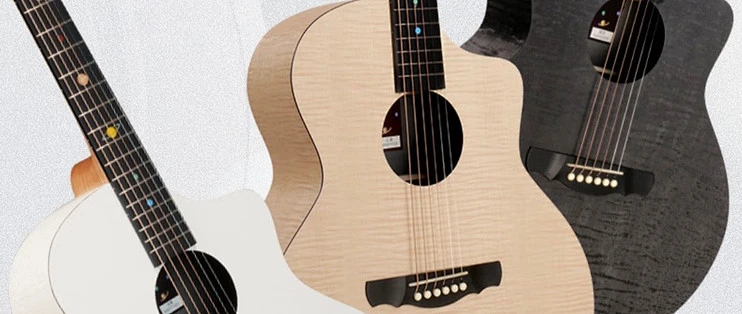
2. What Is HPL? A Quick Overview of the Material
Before diving into its advantages, let’s clarify what HPL is and how it’s made. High Pressure Laminate is a composite material crafted by pressing multiple layers of wood fibers (often recycled) with phenolic resin under extreme heat (up to 150°C) and high pressure (up to 1,400 psi). This process creates a dense, uniform sheet that’s non-porous, moisture-resistant, and structurally rigid.
Key characteristics of HPL relevant to musical instruments:
This manufacturing process is what gives HPL its unique set of benefits for musical instrument production—benefits that traditional materials struggle to match.
3. Core Advantages of HPL for Musical Instruments
HPL’s dominance in instrument manufacturing stems from four unbeatable advantages, each tailored to the needs of different players. Below is a detailed breakdown of how these benefits translate to real-world use:
3.1 Unmatched Stability: Weather and Transportation Resistant
HPL’s compressed, resin-bonded structure makes it virtually immune to environmental changes that plague solid wood instruments. Solid wood expands and contracts with temperature and humidity shifts, leading to cracking, warping, or even tonal degradation. HPL, by contrast, remains stable in all conditions:
For musicians who take their instruments on the road, campgrounds, or outdoor gigs, this stability is a game-changer—it eliminates the need for humidifiers, cases with climate control, or constant adjustments to the instrument’s setup.
3.2 Superior Durability: Perfect for Beginners and Casual Players
One of HPL’s most appealing features is its ruggedness, making it ideal for players who want an instrument that can handle daily use (and occasional mishaps):
Low maintenance: Unlike solid wood, which requires polishing, oiling, or refinishing, HPL only needs a quick wipe with a dry cloth to stay clean
This durability is especially valuable for beginners, who are still learning proper instrument care, and casual players who don’t want to spend time on maintenance. HPL instruments are built to last—even with rough use.
3.3 Eco-Friendly and Cost-Effective: Sustainable and Accessible
In an era where sustainability and affordability are top priorities, HPL checks both boxes:
This accessibility means more people can own a high-quality instrument without sacrificing performance—breaking down barriers for beginners and budget-conscious players.
3.4 Impressive Tonal Performance: Versatile for All Genres
A common misconception about HPL is that it compromises on sound. While it doesn’t replicate the rich, nuanced timbre of premium solid wood (e.g., rosewood or spruce), HPL delivers a balanced, reliable tone that works for most musical styles:
Genres: Folk, pop, indie, light rock, country, and singer-songwriter
For beginners, this versatility is perfect—you won’t outgrow the instrument as you explore different styles. For casual players and travelers, the consistent tone means you can rely on it for practice, gigs, or recording without disappointment.
4. Top Brands and Representative HPL Instrument Models
The reliability of HPL is further validated by its adoption by some of the most trusted names in musical instrument manufacturing. Below are standout brands and models that showcase HPL’s capabilities:
4.1 Martin: The Iconic X Series
Martin, a legendary guitar maker with over 180 years of history, introduced the X Series to bring HPL’s benefits to a wider audience. Key models include:
Martin LXM: A compact travel guitar with an HPL top, back, and sides. Lightweight (only 2.7 lbs) and durable, it’s perfect for backpackers and beginners.
All Martin X Series instruments retain the brand’s signature playability while leveraging HPL’s practicality—making them a favorite among travelers and beginners.
4.2 Natasha: The Award-Winning Mercury Series
Natasha, a rising star in the instrument industry, gained acclaim with its Mercury Series full-size HPL guitar. Key highlights:
The Mercury Series proves that HPL can deliver both aesthetic appeal and performance—without the premium price tag.
4.3 Blue Lava: Travel-Focused HPL Instruments
Blue Lava specializes in instruments designed for on-the-go musicians, and its HPL series is a testament to the material’s portability:
Blue Lava Travel Guitar: A 3/4 size guitar with HPL construction, foldable neck, and hard case included. Perfect for airplane cabins, camping trips, or small apartments.
Blue Lava’s focus on travel means their HPL instruments are engineered to be as lightweight and rugged as possible—without compromising on sound.
5. Who Should Choose an HPL Musical Instrument?
HPL isn’t just a "budget" or "beginner" material—it’s a practical choice for specific types of players. Here’s who stands to benefit most:
5.1 Beginners
5.2 Frequent Travelers and Outdoor Musicians
5.3 Casual Players and Hobbyists
5.4 Eco-Conscious Musicians
6. Common Myths About HPL Instruments (Debunked)
Despite its benefits, HPL still faces some misconceptions. Let’s address the most common ones:
Myth 1: "HPL sounds cheap or plastic-like."
Fact: Modern HPL instruments are engineered for tonal balance. While they don’t have the same complexity as high-end solid wood, their sound is clear, full, and far from "plastic-like." Many casual players and even professionals use HPL for travel gigs without sacrificing quality.
Myth 2: "HPL instruments are low-quality."
Fact: Quality depends on the manufacturer, not the material. Brands like Martin, Natasha, and Blue Lava use high-grade HPL and precision craftsmanship to create instruments that rival mid-range solid wood models in playability and durability.
Myth 3: "HPL can’t be repaired if damaged."
Fact: While HPL can’t be refinished like solid wood, it’s highly resistant to damage in the first place. If a rare crack or scratch occurs, most repairs are simple and affordable (e.g., filling small scratches with clear polish).
Myth 4: "HPL is only for cheap instruments."
Fact: While HPL is cost-effective, it’s also used in mid-range instruments (priced 300–800) that offer premium features like carbon fiber necks, high-quality hardware, and professional-grade electronics. It’s a material choice based on practicality, not just price.
7. Conclusion: Why HPL Is the Future of Practical Musical Instruments
HPL’s rise in musical instrument manufacturing is a testament to its ability to balance performance, practicality, and affordability. For beginners, travelers, and casual players, it solves the biggest pain points of traditional materials: instability, fragility, high cost, and maintenance. For eco-conscious musicians, it offers a sustainable alternative to virgin wood.
While HPL may never replace solid wood for high-end, professional instruments (where tonal complexity is paramount), it’s clearly the best choice for anyone who values reliability, convenience, and value. As instrument makers continue to refine HPL’s tonal characteristics and design, we can expect to see even more innovative uses of this material in the years to come.
Whether you’re just starting your musical journey, planning to hit the road with your instrument, or looking for a low-maintenance hobby guitar, an HPL-equipped instrument is a smart investment—one that lets you focus on what matters most: making music.
 Русский
 English
 العربية
 Français
 Español
 Português
 Deutsch
 italiano
 日本語
日本語 한국어
한국어 Nederlands
 Tiếng Việt
 ไทย
ไทย Polski
 Türkçe
 አማርኛ
አማርኛ Bahasa Melayu
 தமிழ்
தமிழ் Filipino
 Bahasa Indonesia
 magyar
 Română
 Монгол
 қазақ
қазақ Српски
 हिन्दी
 فارسی
فارسی Kiswahili
 Slovenčina
 Slovenščina
 Svenska
 українська
 Ελληνικά
 Suomi
Suomi Հայերեն
 עברית
עברית اردو
اردو Shqip
Shqip বাংলা
বাংলা Hrvatski
 Afrikaans
 Māori
Māori සිංහල
සිංහල Oʻzbekcha
 latviešu
 Беларуская мова
 Bosanski
 Български
 ქართული
 Lietuvių
 Malti
Malti Runasimi