Detailed Introduction to Medical Phenolic Laminate Board
Medical phenolic laminate board is a high-performance compact laminate material designed for healthcare environments that require durability, hygiene, fire safety, easy cleaning, moisture resistance, chemical resistance, and long-term surface stability. It is widely used in hospitals, clinics, laboratories, cleanrooms, healthcare furniture, nurse stations, medical cabinets, wall cladding, partitions, and medical work surfaces.
Compared with ordinary decorative panels, medical phenolic laminate boards are better suited for demanding medical spaces because they offer a dense, non-porous surface, strong impact resistance, resistance to frequent cleaning, and stable performance under daily healthcare use. For hospitals and laboratories, the right surface material can help improve safety, reduce maintenance pressure, and support a cleaner interior environment.
This guide explains the characteristics, healthcare applications, installation methods, maintenance requirements, selection checklist, and frequently asked questions about medical phenolic laminate boards.
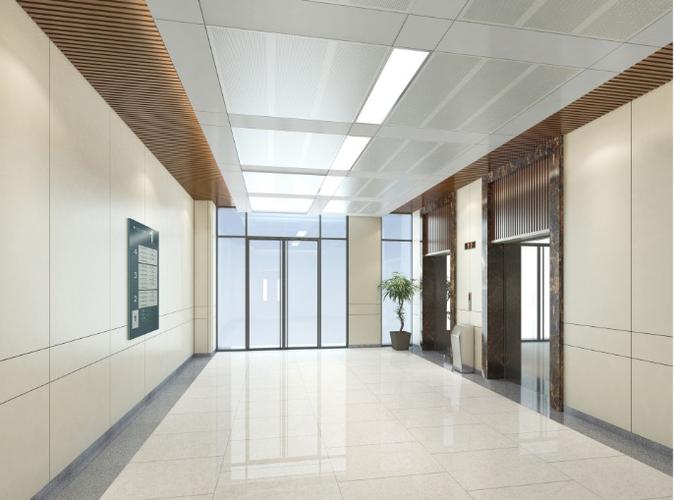
What Is Medical Phenolic Laminate Board?
Medical phenolic laminate board is a compact high pressure laminate panel made by pressing multiple layers of resin-impregnated kraft paper under high temperature and high pressure. The surface is protected by a durable decorative layer, while the dense core provides structural strength, moisture resistance, and long-term dimensional stability.
In healthcare projects, this material may also be called medical compact laminate, healthcare HPL panel, hospital phenolic wall panel, antibacterial HPL panel, hygienic compact laminate board, or phenolic resin board for medical furniture. The exact performance depends on product grade, thickness, surface finish, fire rating, chemical resistance, and test reports.
Key Characteristics of Medical Phenolic Laminate Board
High Durability for Healthcare Environments
Medical phenolic laminate boards are built to withstand the rigorous demands of healthcare environments. They can endure frequent use, impact, heavy loads, cleaning procedures, and repeated contact in high-traffic areas such as hospital corridors, nurse stations, examination rooms, laboratories, and patient care areas.
Fire-Resistant Performance for Safer Interiors
Fire safety is a critical concern in hospitals, clinics, laboratories, and public healthcare buildings. Medical phenolic laminate boards can be supplied with fire-retardant or fire-rated performance depending on the product grade. Buyers should confirm the required fire classification, test standard, and complete panel assembly before specification.
Non-Porous Surface for Easier Cleaning
A smooth, dense, and non-porous surface is important in healthcare interiors. Medical phenolic laminate boards resist dust accumulation, stains, moisture penetration, and routine cleaning stress. This makes them suitable for hospital wall cladding, medical cabinets, laboratory worktops, treatment room furniture, and clean interior surfaces.
Resistance to Cleaning Agents and Disinfectants
Healthcare surfaces are cleaned more frequently than ordinary commercial interiors. Medical phenolic laminate boards are designed to withstand routine cleaning with suitable hospital-grade disinfectants and mild cleaning agents. For intensive disinfection environments, chemical compatibility data should be checked before final material selection.
Moisture and Chemical Resistance
Medical phenolic laminate boards provide good resistance to moisture, stains, cleaning chemicals, and many common laboratory agents. This makes them useful for laboratories, treatment rooms, pharmaceutical spaces, medical workbenches, reagent areas, cleanrooms, and healthcare furniture components.
Low-Maintenance and Long Service Life
Because medical phenolic laminate boards are durable, easy to clean, and resistant to impact and moisture, they help reduce maintenance frequency and replacement costs. This is important for hospitals and clinics where downtime, repair work, and repeated renovations can interrupt daily operations.
Optional Antibacterial and Low-Emission Grades
Some medical phenolic laminate boards can be supplied with antibacterial surface technology or low-emission performance. Buyers should verify antibacterial claims, formaldehyde emission data, indoor air quality reports, and relevant certifications before using the product in hospitals, clinics, schools, or clean environments.
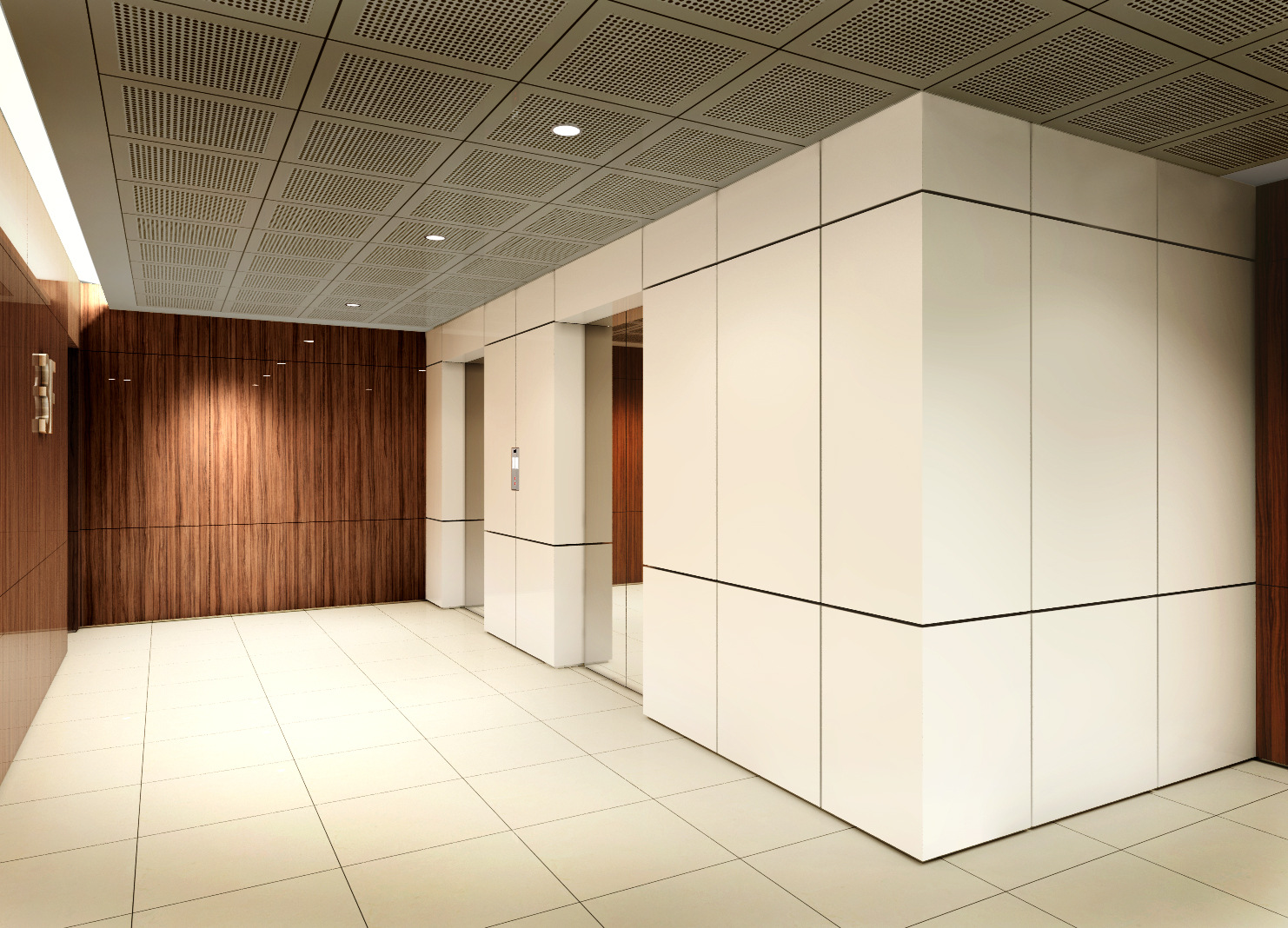
Applications of Medical Phenolic Laminate Board
Medical Furniture and Healthcare Equipment Surfaces
Medical phenolic laminate boards are widely used in healthcare furniture and equipment surfaces that require durability, cleaning resistance, and stable performance. Typical applications include:
Hospital beds and stretchers: Providing durable, easy-to-clean surfaces for daily healthcare use.
Operating tables and examination chairs: Supporting frequent cleaning and repeated contact.
Medical cabinets and storage units: Offering cleanable and durable storage surfaces for healthcare supplies.
Nurse stations and reception counters: Providing high-use work surfaces with good design flexibility.
Mobile medical carts and workstations: Supporting impact resistance and practical maintenance.
Hospital Wall Cladding and Interior Decoration
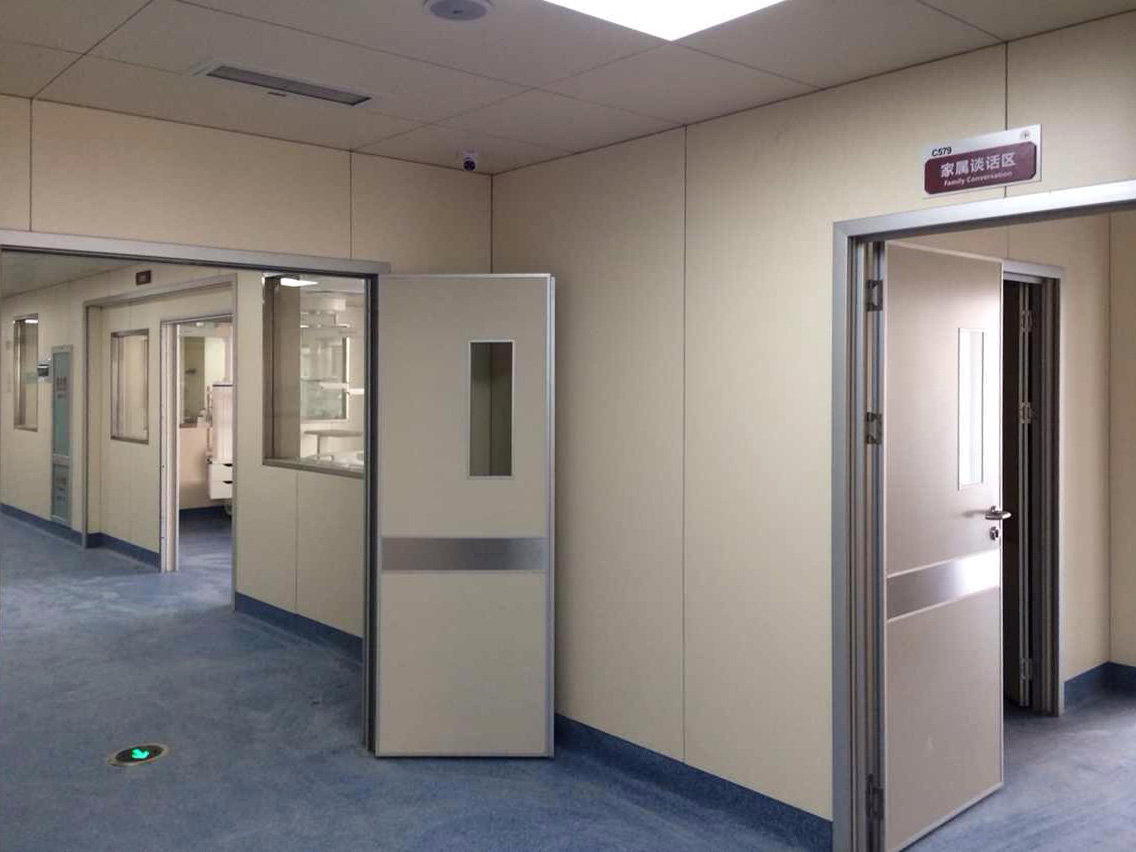
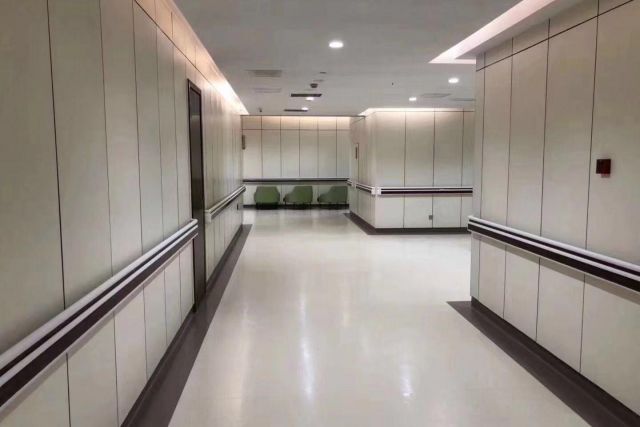
Medical phenolic laminate boards are frequently used as hospital wall panels and healthcare wall cladding. They help protect walls from impact, stains, cleaning damage, moisture, and daily wear while improving the appearance of corridors, patient rooms, treatment areas, waiting areas, and public healthcare interiors.
Corridor wall panels: Protecting high-traffic walls from impact and abrasion.
Patient room panels: Creating durable, cleanable, and visually calm interiors.
Treatment room wall cladding: Supporting easy cleaning and long-term wall protection.
Nurse station wall panels: Combining durability, appearance, and practical cleaning.
Healthcare partitions: Creating stable, moisture-resistant, and easy-to-maintain division systems.
Pharmaceutical and Laboratory Settings
In pharmaceutical facilities, research laboratories, testing rooms, and hospital labs, medical phenolic laminate boards are used where chemical resistance, cleanability, and durability are required.
Laboratory workbenches and countertops requiring chemical resistance.
Reagent shelves, pegboards, and drying racks.
Fume hood liner panels and fume hood decks where compatible with chemical exposure.
Partition walls and enclosures requiring frequent cleaning.
Casework panels, cabinet fronts, and storage systems for medical and laboratory supplies.
Recommended Uses by Healthcare Area
| Healthcare Area | Recommended Application | Key Performance Requirement |
| Hospital Corridors | Wall cladding, corner protection, door panels | Impact resistance, fire resistance, easy cleaning |
| Patient Rooms | Headwall panels, furniture panels, storage cabinets | Cleanability, low maintenance, comfortable appearance |
| Nurse Stations | Counters, wall panels, cabinet fronts, work surfaces | Scratch resistance, stain resistance, daily-use durability |
| Laboratories | Workbenches, countertops, reagent shelves, casework | Chemical resistance, moisture resistance, cleanability |
| Cleanrooms | Wall panels, ceiling panels, modular partitions | Smooth surface, sealed joints, cleaning compatibility |
| Pharmacies and Storage Rooms | Cabinets, shelves, counters, partitions | Stain resistance, hygiene support, stable storage surfaces |
Medical Phenolic Laminate Board vs Other Healthcare Panel Materials
| Material | Main Advantages | Limitations | Best Uses |
| Medical Phenolic Laminate Board | Durable, non-porous, moisture-resistant, chemical-resistant, fire-rated options, easy to clean | Requires proper cutting, fixing, edge treatment, and compatibility checks | Hospital wall panels, lab furniture, nurse stations, medical cabinets, partitions |
| Standard HPL Panel | Decorative, cost-effective, scratch-resistant, easy to process | May not provide the same chemical or healthcare-grade performance | General furniture, office interiors, light healthcare furniture |
| Stainless Steel | Hygienic, strong, easy to sanitize, suitable for sterile areas | Can dent, scratch, feel cold, and may react with some chemicals | Operating rooms, food testing, sterile preparation areas |
| FRP / PVC Wall Panels | Lightweight, moisture-resistant, easy to clean, economical | Lower impact resistance and design depth than many phenolic systems | Utility areas, wet rooms, budget healthcare wall protection |
| Painted Gypsum Board | Low initial cost and easy local repair | Lower impact resistance, more maintenance, weaker moisture protection | Low-traffic dry healthcare interiors |
Installation Methods for Medical Phenolic Laminate Board
Preparation Before Installation
Before installing medical phenolic laminate boards, the project team should plan the panel layout, confirm wall dimensions, check substrate conditions, prepare installation drawings, and verify product specifications. Proper preparation reduces installation errors, joint problems, moisture risk, and after-sales issues.
Measure the installation area and determine the required board dimensions.
Check whether the base surface is clean, dry, flat, and structurally sound.
Confirm panel thickness, finish, color, edge detail, and fixing method.
Prepare necessary tools, adhesives, screws, rivets, profiles, sealants, and cutting equipment.
Coordinate installation timing with electrical, plumbing, HVAC, ceiling, and flooring works.
Surface Treatment Before Installation
A well-prepared base is essential for a successful installation. The surface should be clean, dry, level, and suitable for adhesive bonding or mechanical fastening. Dust, oil, debris, moisture, and loose materials can reduce installation quality.
Remove dust, debris, oil, moisture, and loose particles.
Smooth uneven surfaces by grinding, leveling, or filling gaps as necessary.
Apply primer or bonding agent when required by the adhesive system.
Confirm that wall flatness and verticality meet the project tolerance.
Cutting and Fitting the Boards
Medical phenolic laminate boards are dense and hard. Cutting, drilling, routing, and edge finishing should be done with suitable tools and controlled processing methods to prevent chipping, cracking, rough edges, and poor fit.
Use precision cutting tools, CNC machines, or carbide blades designed for compact laminate.
Align boards carefully before securing them in place.
Allow expansion gaps to accommodate environmental changes.
Protect cut edges, corners, and holes from moisture penetration where required.
Adhesive Installation
Adhesive installation is commonly used when boards are fixed to approved substrates. The adhesive must match the board type, substrate, temperature, humidity, and healthcare application environment.
Use high-quality industrial adhesives recommended for phenolic laminate boards.
Apply adhesive evenly according to the specified spread rate.
Apply even pressure to prevent air bubbles and ensure strong bonding.
Respect adhesive open time, curing time, and ventilation requirements.
Mechanical Fastening Installation
Mechanical fastening is suitable for wall panels, partitions, modular systems, and areas where removability or stronger fixing is required. Stainless steel screws, rivets, profiles, clips, or concealed fixing systems may be used depending on the design.
Use stainless steel screws or rivets for better durability and corrosion resistance.
Keep fasteners evenly spaced to prevent warping or stress concentration.
Provide movement allowance at holes and joints when required.
Use compatible profiles, trims, and sealants for clean and hygienic detailing.
Finishing Touches and Quality Inspection
Check for misalignment, uneven seams, loose panels, and surface damage.
Seal edges, corners, joints, and penetrations to reduce moisture risk.
Confirm that panels are secure, flat, and correctly positioned.
Conduct final cleaning to remove adhesive residue, dust, fingerprints, and debris.
Document completed installation with photos and inspection records.
Selection Checklist for Medical Phenolic Laminate Boards
| Inspection Point | What to Check | Why It Matters |
| Surface Cleanability | Smoothness, stain resistance, disinfectant compatibility, non-porous surface | Supports hygiene and routine healthcare cleaning |
| Chemical Resistance | Resistance to disinfectants, cleaning agents, reagents, and stains | Important for labs, treatment rooms, and medical work surfaces |
| Fire Performance | Fire rating, test report, smoke performance, complete assembly requirements | Required for hospitals, clinics, public buildings, and regulated interiors |
| Impact Resistance | Surface hardness, compact core strength, edge durability | Prevents damage in corridors, nurse stations, and high-traffic areas |
| Emission and Safety Reports | Formaldehyde emission, indoor air quality data, environmental certificates | Supports safer indoor healthcare environments |
| Installation System | Adhesive, screws, rivets, profiles, sealants, expansion gaps, edge treatment | Determines long-term stability and maintenance quality |
Maintenance and Care Tips
To maximize the lifespan and performance of medical phenolic laminate boards, healthcare facilities should follow correct cleaning and maintenance procedures. Good maintenance helps preserve surface appearance, hygiene support, and long-term durability.
Regularly clean the surface using approved hospital-grade disinfectants or suitable mild cleaning agents.
Avoid abrasive cleaning agents, steel wool, sharp tools, and harsh scraping methods.
Inspect edges, joints, corners, fasteners, and sealed areas for signs of damage.
Repair loose trims, damaged sealant, or exposed edges promptly to reduce moisture risk.
Ensure proper ventilation in enclosed areas to reduce moisture accumulation.
Follow the manufacturer’s cleaning guide for special stains, disinfectants, and chemical exposure.
Conclusion
Medical phenolic laminate boards provide a strong combination of durability, fire-resistant options, environmental performance, easy maintenance, moisture resistance, and cleanable surface quality for healthcare environments. Their use in medical furniture, hospital wall cladding, laboratory worktops, healthcare cabinets, and modular interiors proves their value in modern medical facility design.
For hospitals, clinics, laboratories, cleanrooms, pharmaceutical facilities, and public healthcare buildings, the correct medical phenolic laminate board can help create safe, durable, hygienic, and visually consistent interior spaces. The best results depend on verified performance data, suitable installation methods, proper edge treatment, and regular maintenance.
FAQ About Medical Phenolic Laminate Board
What is medical phenolic laminate board?
Medical phenolic laminate board is a compact high pressure laminate panel designed for healthcare environments. It is made from resin-impregnated kraft paper layers pressed under heat and pressure, creating a durable, moisture-resistant, cleanable, and stable panel for hospital wall cladding, medical furniture, laboratories, and healthcare interiors.
Where is medical phenolic laminate board used?
It is used for hospital wall panels, nurse stations, medical cabinets, laboratory workbenches, cleanroom partitions, treatment room furniture, patient room panels, healthcare storage systems, reagent shelves, and medical facility interior decoration.
Is medical phenolic laminate board antibacterial?
Some medical phenolic laminate boards are available with antibacterial surface technology, but this should be verified with test reports and product data sheets. Even without antibacterial additives, the dense and non-porous surface can support easier cleaning and hygiene management when properly maintained.
Can medical phenolic laminate boards resist disinfectants?
Medical phenolic laminate boards can resist many common cleaning agents and disinfectants used in healthcare environments. However, compatibility depends on chemical type, concentration, exposure time, and cleaning frequency, so buyers should check chemical resistance data before specification.
Is phenolic laminate suitable for hospital wall cladding?
Yes. Phenolic laminate is suitable for hospital wall cladding because it provides impact resistance, moisture resistance, easy cleaning, decorative flexibility, and fire-rated options. It is commonly used in corridors, nurse stations, patient rooms, treatment areas, and public healthcare spaces.
Can medical phenolic laminate board be used for laboratory countertops?
Yes. Medical phenolic laminate board can be used for laboratory countertops, workbenches, reagent shelves, and casework when the required chemical resistance, thickness, and surface performance match the laboratory application. For harsh chemical exposure, chemical compatibility should be confirmed.
What is the difference between medical phenolic laminate and standard HPL?
Standard HPL is widely used for decorative furniture and interior panels, while medical phenolic laminate is selected for higher healthcare performance requirements such as cleanability, moisture resistance, chemical resistance, impact resistance, fire-rated options, and frequent disinfection environments.
How should medical phenolic laminate boards be installed?
They can be installed with adhesive systems, mechanical fasteners, screws, rivets, profiles, or modular wall panel systems depending on the project. Proper surface preparation, cutting, edge treatment, expansion allowance, and final inspection are essential for long-term performance.
How do you maintain medical phenolic laminate boards?
Clean the surface regularly with approved disinfectants or mild cleaning agents. Avoid abrasive pads, sharp tools, and unapproved strong solvents. Inspect edges, joints, and sealants regularly, and repair damaged areas promptly to maintain durability and hygiene support.
What should buyers check before ordering medical phenolic laminate boards?
Buyers should check thickness, size, surface finish, fire rating, chemical resistance, antibacterial test reports if required, formaldehyde emission data, color options, installation method, edge treatment, sample quality, packaging, lead time, and supplier experience with healthcare projects.
 Русский
 English
 العربية
 Français
 Español
 Português
 Deutsch
 italiano
 日本語
日本語 한국어
한국어 Nederlands
 Tiếng Việt
 ไทย
ไทย Polski
 Türkçe
 አማርኛ
አማርኛ Bahasa Melayu
 தமிழ்
தமிழ் Filipino
 Bahasa Indonesia
 magyar
 Română
 Монгол
 қазақ
қазақ Српски
 हिन्दी
 فارسی
فارسی Kiswahili
 Slovenčina
 Slovenščina
 Svenska
 українська
 Ελληνικά
 Suomi
Suomi Հայերեն
 עברית
עברית اردو
اردو Shqip
Shqip বাংলা
বাংলা Hrvatski
 Afrikaans
 Māori
Māori සිංහල
සිංහල Oʻzbekcha
 latviešu
 Беларуская мова
 Bosanski
 Български
 ქართული
 Lietuvių
 Malti
Malti Runasimi