Exploring Colors: Phenolic Laminate Board Options for Modern Interiors
In interior design, architectural decoration, furniture manufacturing, and commercial construction, material color is not only a visual choice. It affects mood, brand identity, space perception, hygiene impression, maintenance frequency, and long-term project value. Phenolic laminate boards provide designers and project buyers with a wide range of color and finish options while delivering durability, moisture resistance, impact resistance, and easy maintenance.
Phenolic laminate board, also known as compact laminate board, HPL compact board, high-pressure laminate board, or phenolic resin board, is widely used for toilet partitions, lockers, wall panels, laboratory worktops, office furniture, school furniture, healthcare interiors, kitchen cabinets, commercial counters, and public facility furniture.
This guide explores phenolic laminate board color options, including solid colors, neutral colors, wood grain finishes, stone-look surfaces, marble patterns, textured finishes, custom colors, and application-based color selection tips.
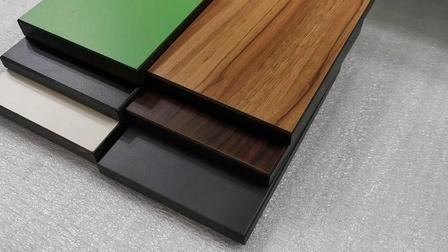
Understanding Phenolic Laminate Boards
Phenolic laminate boards are engineered panels made from multiple layers of kraft paper impregnated with phenolic resin and pressed under high temperature and high pressure. The decorative surface layer can be produced in many colors, patterns, textures, and finishes to meet different design and performance requirements.
Because phenolic laminate boards are dense, rigid, non-porous, moisture-resistant, and impact-resistant, they are suitable for both decorative and high-use applications. The color surface is not only for appearance; it also needs to support cleaning, stain resistance, abrasion resistance, and long-term visual consistency.
Why Color Matters in Phenolic Laminate Board Design
Color plays an important role in interior design. It can make a space feel warmer, cleaner, brighter, calmer, more professional, or more energetic. For commercial projects, color also helps support brand identity, wayfinding, user experience, and interior consistency across multiple rooms or buildings.
For phenolic laminate board projects, color selection should consider more than personal preference. Designers and buyers should evaluate lighting, room size, traffic level, cleaning frequency, surrounding materials, furniture style, flooring, wall color, ceiling design, and the required atmosphere of the space.
Main Color Options for Phenolic Laminate Boards
| Color Type | Design Effect | Recommended Applications |
| Solid Color Phenolic Laminate | Clean, modern, simple, and easy to match | Toilet partitions, lockers, schools, hospitals, offices, public furniture |
| Neutral Color Compact Laminate | Calm, professional, timeless, and flexible | Office furniture, wall panels, healthcare interiors, hotel furniture |
| Wood Grain HPL Compact Board | Warm, natural, furniture-like, and comfortable | Cabinets, desks, wardrobes, wall cladding, hospitality interiors |
| Stone-Look Phenolic Board | Premium, architectural, and durable | Countertops, reception desks, wall panels, commercial counters |
| Marble Effect Compact Laminate | Elegant, high-end, and decorative | Hotel interiors, retail counters, vanity tops, feature walls |
| Bright Color Phenolic Panels | Energetic, playful, and visually distinctive | Schools, kindergartens, sports facilities, public restrooms, lockers |
| Dark Color Compact Laminate | Elegant, bold, premium, and stable | Executive offices, luxury restrooms, retail interiors, feature panels |
Solid Color Phenolic Laminate Boards
Solid color phenolic laminate boards are one of the most widely used options because they are clean, practical, and easy to coordinate with other materials. Common solid colors include white, black, grey, beige, blue, green, yellow, red, brown, and neutral tones.
White and light grey compact laminate boards are often used in healthcare spaces, laboratories, schools, and offices because they create a clean and bright appearance. Dark grey, black, and deep brown phenolic panels are often used for premium commercial interiors, hotel restrooms, office partitions, and modern furniture.
Wood Grain Phenolic Laminate Board Options
Wood grain phenolic laminate boards combine the warm appearance of wood with the durability and moisture resistance of compact laminate. They are suitable for projects that need a natural look but require better resistance to daily wear, humidity, and cleaning than ordinary wood veneer.
Popular wood grain options include oak, walnut, maple, teak, ash, cherry, beech, dark wood, light wood, and rustic wood textures. These finishes are commonly used for wall panels, office desks, cabinets, lockers, hotel furniture, retail fixtures, and residential furniture.
Stone, Marble and Concrete-Look Phenolic Boards
Stone-look and marble-look phenolic laminate boards are designed for interiors that require a premium architectural appearance without the weight, maintenance, or cost of natural stone. These surfaces can create a high-end effect for countertops, reception desks, wall cladding, vanity units, commercial counters, and feature panels.
Concrete-look compact laminate is often selected for modern commercial spaces, industrial-style offices, retail stores, cafes, restaurants, and minimalist interiors. It offers a clean architectural texture while keeping the surface easier to clean and maintain.
Matte, Glossy and Textured Finish Options
Color should be selected together with surface finish. The same color can look very different in matte, glossy, textured, embossed, anti-fingerprint, leather texture, wood texture, or stone texture finishes. Finish selection affects both appearance and user experience.
| Finish Type | Visual Effect | Best Use |
| Matte Finish | Soft, low-glare, modern, and professional | Offices, schools, healthcare interiors, wall panels, furniture |
| Glossy Finish | Bright, reflective, and visually clean | Retail displays, decorative panels, selected furniture surfaces |
| Textured Finish | Tactile, dimensional, and more natural | Wood grain panels, lockers, partitions, furniture, feature walls |
| Anti-Fingerprint Finish | Cleaner-looking surface with reduced fingerprint marks | Dark colors, cabinets, desks, doors, public furniture |
| Embossed Finish | Decorative texture with stronger surface character | Feature panels, wall cladding, decorative furniture |
How to Choose the Right Phenolic Laminate Board Color
Consider the Function of the Space
The best color depends on how the space is used. A hospital, laboratory, school, restroom, office, hotel, restaurant, and retail store may all require different color strategies. High-traffic areas often need colors that hide dirt and resist visible wear, while healthcare and laboratory spaces often prefer clean, bright, and easy-to-inspect surfaces.
Evaluate Lighting Conditions
Natural light, artificial light, ceiling height, window position, and wall color can change how a phenolic laminate board color appears. A color that looks warm in a showroom may look darker, cooler, or more reflective in the final project. Always check physical samples under actual project lighting when possible.
Match Color with Flooring, Walls and Furniture
Phenolic laminate board colors should coordinate with flooring, paint, wall panels, ceilings, doors, hardware, furniture, countertops, and lighting. For a calm interior, use neutral tones and wood grains. For a strong brand image, combine solid colors with accent panels. For premium spaces, consider dark tones, stone-look surfaces, or textured finishes.
Balance Bold Colors with Neutral Colors
Bright colors can create energy and visual identity, but using them on every surface may become overwhelming. A practical approach is to use neutral phenolic laminate boards as the base and apply bright colors to lockers, partitions, feature walls, children’s areas, wayfinding panels, or accent furniture.
Confirm Color Samples Before Bulk Order
Digital images and printed color charts can only provide a reference. Actual phenolic laminate board color may vary depending on screen display, printing, finish texture, lighting, batch, and surface direction. For large projects, always confirm physical samples before bulk production.
Application-Based Color Recommendations
| Application | Recommended Color Direction | Design Reason |
| Toilet Partitions | Grey, beige, black, wood grain, dark blue, neutral tones | Durable appearance, dirt resistance, privacy, and easy coordination |
| School Lockers and Furniture | Blue, green, yellow, orange, white, grey, mixed colors | Creates energy, identification, and friendly learning spaces |
| Laboratory Worktops | Black, dark grey, light grey, white, chemical-resistant finishes | Supports clean inspection, chemical use, and professional lab appearance |
| Healthcare Interiors | White, light grey, soft blue, soft green, beige, warm wood grain | Creates a clean, calm, hygienic, and comfortable environment |
| Office Furniture | White, black, grey, walnut, oak, stone look, matte finish | Professional appearance and compatibility with modern office design |
| Hotel and Retail Interiors | Dark wood, marble look, stone look, black, metallic effect, custom color | Creates premium brand identity and visual impact |
Color Psychology in Phenolic Laminate Board Design
| Color Family | Common Design Impression | Suitable Spaces |
| White and Light Grey | Clean, bright, simple, hygienic | Hospitals, laboratories, kitchens, offices, schools |
| Black and Dark Grey | Premium, stable, modern, bold | Retail stores, executive offices, hotel restrooms, feature panels |
| Blue | Calm, trustworthy, professional | Healthcare spaces, schools, offices, public facilities |
| Green | Natural, fresh, balanced, relaxing | Healthcare interiors, education spaces, wellness areas, rest zones |
| Yellow and Orange | Energetic, friendly, warm, active | Schools, kindergartens, sports centers, accent panels |
| Wood Grain | Warm, natural, comfortable, residential | Hotels, offices, apartments, furniture, wall panels |
Customization and Personalization
Many phenolic laminate board manufacturers can provide custom colors, custom prints, special textures, brand colors, project-specific finishes, and digital printed laminate surfaces. Customization is useful for hotel chains, retail brands, schools, hospitals, museums, transportation facilities, and public building projects that need a unique visual identity.
Before ordering custom phenolic laminate boards, buyers should confirm minimum order quantity, sample approval process, lead time, color tolerance, repeat-order consistency, surface finish, fire rating, UV resistance, and whether the custom design is suitable for the intended application.
Color Durability and Long-Term Appearance
Color durability depends on product grade, surface finish, cleaning method, UV exposure, abrasion level, and application environment. Indoor phenolic laminate boards generally maintain their color well in controlled interior environments, while outdoor applications require exterior-grade compact laminate with UV-resistant surface technology.
To protect long-term color appearance, avoid abrasive cleaners, strong chemicals, prolonged direct sunlight on indoor-grade panels, and poor maintenance. For exterior wall cladding, balcony panels, or outdoor furniture, always select outdoor-grade HPL phenolic laminate.
Budget Considerations and Color Selection
Standard solid colors are usually more cost-effective and easier to source than custom colors, special textures, metallic effects, or rare wood grain patterns. For large commercial projects, color availability, lead time, minimum order quantity, and batch consistency should be confirmed before final specification.
The best value does not always come from the lowest price. A suitable color and finish can reduce visible wear, improve user experience, support the interior design concept, and extend the useful life of the project.
Phenolic Laminate Board Color Selection Checklist
| Checklist Item | What to Confirm | Why It Matters |
| Color Category | Solid color, wood grain, stone look, marble, concrete, custom print | Determines the overall visual style |
| Surface Finish | Matte, glossy, textured, embossed, anti-fingerprint, wood texture | Affects appearance, touch, cleaning, and glare |
| Application Area | Partition, locker, wall panel, countertop, furniture, exterior panel | Different applications need different durability and maintenance performance |
| Lighting Condition | Natural light, artificial light, room brightness, reflection | Color may appear different under different lighting |
| Sample Approval | Physical sample, actual finish, batch reference, approved sample record | Reduces color mismatch and project disputes |
| Batch Consistency | Production batch, lead time, repeat order color difference | Important for large projects and future replacement panels |
| Performance Grade | Indoor grade, exterior grade, fire rating, chemical resistance, antibacterial option | Ensures the color surface fits the actual environment |
Conclusion: Color Creates Function and Identity
Phenolic laminate boards offer far more than durability. Their wide range of colors, patterns, and textures gives designers a flexible material for creating functional, emotional, and brand-aligned interiors. Whether the goal is bold color, subtle elegance, natural wood warmth, stone-look luxury, or a clean hygienic surface, phenolic laminate boards provide many practical options.
For the best project result, buyers should choose colors based on application, lighting, maintenance, traffic level, finish type, color sample approval, batch consistency, and performance requirements. A well-selected phenolic laminate board color can improve both the visual quality and long-term value of the space.
FAQ About Phenolic Laminate Board Colors
What colors are available for phenolic laminate boards?
Phenolic laminate boards are available in many color options, including white, black, grey, beige, blue, green, yellow, red, brown, neutral tones, wood grain, stone look, marble effect, concrete texture, metallic effect, and custom printed designs.
Can phenolic laminate boards imitate wood grain?
Yes. Wood grain phenolic laminate boards can imitate oak, walnut, maple, teak, ash, beech, cherry, and other wood effects. They offer a warm natural appearance with better durability, moisture resistance, and easier cleaning than many natural wood veneer surfaces.
Are solid color phenolic laminate boards suitable for toilet partitions?
Yes. Solid color phenolic laminate boards are widely used for toilet partitions, restroom cubicles, lockers, and public facility panels. Grey, beige, black, white, blue, and neutral colors are common choices because they are easy to coordinate and maintain.
How do I choose the right phenolic laminate board color?
Choose based on application, lighting, room size, surrounding materials, traffic level, cleaning frequency, brand style, and desired mood. Always confirm a physical sample before bulk ordering because screen images and printed color charts may not show the exact final color.
Can phenolic laminate board colors be customized?
Yes. Many manufacturers can offer custom colors, custom prints, brand colors, digital printed surfaces, and special textures. Buyers should confirm minimum order quantity, lead time, sample approval, color tolerance, and repeat-order consistency.
Do phenolic laminate board colors fade over time?
Indoor phenolic laminate board colors usually maintain good appearance in controlled interiors. Outdoor applications require exterior-grade compact laminate with UV-resistant surface technology. Indoor-grade panels may fade if exposed to strong sunlight or outdoor weather for long periods.
What finish is best for dark phenolic laminate board colors?
For dark colors such as black, charcoal, dark grey, and deep brown, matte, textured, or anti-fingerprint finishes are often preferred because they can reduce visible fingerprints, glare, and minor surface marks compared with high-gloss finishes.
Are light color phenolic laminate boards easy to maintain?
Light colors such as white, beige, and light grey create a clean and bright appearance, but stains and dirt may be more visible. They are suitable for healthcare, laboratories, kitchens, and offices when regular cleaning is part of the maintenance plan.
What color phenolic laminate is best for schools?
Schools often use blue, green, yellow, orange, white, grey, wood grain, or mixed colors. Bright colors can make learning spaces more active, while neutral tones and wood grains create a calmer and more durable environment.
Why should I check physical samples before ordering?
Physical samples help confirm actual color, texture, gloss level, surface feel, thickness, and compatibility with project lighting. They reduce the risk of color mismatch between design expectations and finished installation.
 Русский
 English
 العربية
 Français
 Español
 Português
 Deutsch
 italiano
 日本語
日本語 한국어
한국어 Nederlands
 Tiếng Việt
 ไทย
ไทย Polski
 Türkçe
 አማርኛ
አማርኛ Bahasa Melayu
 தமிழ்
தமிழ் Filipino
 Bahasa Indonesia
 magyar
 Română
 Монгол
 қазақ
қазақ Српски
 हिन्दी
 فارسی
فارسی Kiswahili
 Slovenčina
 Slovenščina
 Svenska
 українська
 Ελληνικά
 Suomi
Suomi Հայերեն
 עברית
עברית اردو
اردو Shqip
Shqip বাংলা
বাংলা Hrvatski
 Afrikaans
 Māori
Māori සිංහල
සිංහල Oʻzbekcha
 latviešu
 Беларуская мова
 Bosanski
 Български
 ქართული
 Lietuvių
 Malti
Malti Runasimi