How to Identify Phenolic Laminate Board
Phenolic laminate board is one of the most reliable materials used in construction, interior decoration, furniture manufacturing, toilet partitions, laboratory worktops, wall cladding, and commercial interiors. It is valued for fire resistance, moisture resistance, impact resistance, sound insulation, durability, hygiene, and long service life.
However, as demand for phenolic laminate boards continues to grow, the market has also seen many low-quality boards, counterfeit phenolic panels, and inferior laminate products. For contractors, designers, distributors, and project buyers, knowing how to identify genuine phenolic laminate board is essential for project safety, performance, and long-term value.
This guide explains the main types of phenolic laminate board, practical identification methods, surface and core inspection tips, fire performance checks, water resistance tests, brand verification, buying advice, and frequently asked questions.
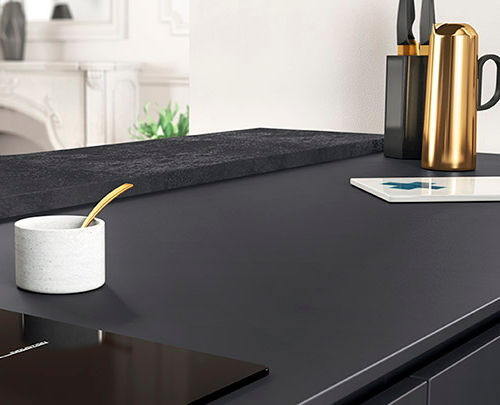
Why It Matters to Identify Authentic Phenolic Laminate Board
With the increasing use of phenolic laminate boards in commercial and industrial projects, counterfeit and low-grade products can create serious problems. Poor-quality panels may look similar on the surface but fail in fire resistance, water resistance, bonding strength, surface durability, and dimensional stability.
Common problems caused by inferior phenolic laminate boards include poor fire performance, delamination, bubbling, swelling, color fading, surface scratches, weak impact resistance, unpleasant odor, and shorter service life. In public buildings, laboratories, bathrooms, hospitals, schools, and commercial spaces, these issues can increase maintenance costs and safety risks.
Authentic phenolic laminate board helps protect your investment, supports fire and safety compliance, improves hygiene, maintains design quality, and reduces replacement costs over time.
What Is Phenolic Laminate Board?
Phenolic laminate board is a high-performance panel made from layers of kraft paper impregnated with phenolic resin and pressed under high temperature and high pressure. Depending on the product type, it may also include decorative paper, melamine resin surface protection, compact core layers, fire-retardant additives, or exterior-grade UV-resistant overlays.
It is also commonly called phenolic compact laminate, compact laminate board, HPL phenolic board, solid phenolic panel, fireproof laminate board, waterproof phenolic panel, laboratory phenolic board, or phenolic toilet partition board.
Common Types of Phenolic Laminate Board
Compact Phenolic Laminate Board
Compact phenolic laminate board is a thick, dense, self-supporting panel made with multiple phenolic resin kraft paper layers. It is commonly used for toilet partitions, lockers, bathroom cubicles, countertops, wall panels, and high-traffic public facilities.
Laboratory Phenolic Laminate Board
Laboratory phenolic laminate board is designed for chemical resistance, stain resistance, and easy cleaning. It is used for lab countertops, workbenches, science classrooms, medical testing areas, and industrial workstations where acids, alkalis, solvents, and disinfectants may be present.
Exterior-Grade Phenolic Laminate Board
Exterior-grade phenolic laminate board includes weather-resistant and UV-resistant surface technology. It is suitable for building facades, outdoor wall cladding, balcony panels, outdoor furniture, and public exterior applications where sunlight, rain, and temperature changes are important factors.
Decorative Phenolic HPL Board
Decorative phenolic HPL board combines phenolic core strength with design flexibility. It is available in woodgrain, stone effect, solid color, matte finish, glossy finish, anti-fingerprint finish, and custom decorative surfaces for furniture, cabinets, doors, and wall panels.
How to Identify Phenolic Laminate Board: 6 Practical Methods
To identify genuine phenolic laminate board, check the brand, certifications, surface quality, core structure, fire resistance, sound and impact performance, and supplier documentation. A high-quality board should be dense, stable, well finished, low odor, and supported by clear technical documents.
1. Check the Brand and Certifications
Reputable phenolic laminate manufacturers usually provide clear product markings, batch information, factory details, quality documents, and certification support. Brand credibility is one of the first indicators of product reliability.
Check brand logos, factory addresses, production dates, and batch numbers on protective films or board backs.
Request certifications such as ISO 9001, CE, GREENGUARD, SGS, FSC, or other market-specific documents.
Ask for fire safety reports, formaldehyde emission reports, and technical data sheets.
Review manufacturer warranty documents and after-sales support policies.
2. Inspect the Surface Quality
Authentic phenolic laminate boards should have a smooth, uniform, and well-bonded surface. The decorative layer should be clear, stable, and free from visible production defects.
Look for smooth and consistent surface texture.
Check color consistency across the board.
Confirm that woodgrain, stone, or decorative patterns are sharp and not blurry.
Check whether the gloss, matte, or textured finish is consistent.
Avoid boards with bubbles, pinholes, scratches, peeling, uneven color, or surface contamination.
3. Examine the Core Structure
The core is one of the most important differences between genuine phenolic laminate board and inferior imitation panels. A real phenolic compact board usually has a dense, solid, layered core made from phenolic resin kraft paper.
The board should feel heavy, dense, and sturdy.
The cross-section should be compact with no loose layers, voids, or delamination.
The core may be black, brown, or colored depending on the board type.
Poor-quality boards may feel light, hollow, uneven, or filled with low-density material.
4. Verify Fire Resistance
Phenolic laminate board is often selected for fire-retardant performance, but the actual fire rating depends on product formulation, thickness, core material, and test standard. Do not rely only on marketing claims such as fireproof board or fire-resistant panel.
Request fire test certifications, technical reports, demonstration videos, or third-party documents showing compliance with standards such as EN 13501-1, ASTM E84, GB 8624, or other local building code requirements.
5. Assess Sound and Impact Performance
Phenolic laminate is known for density, sound insulation, and impact resistance. You can gently knock on the board surface to evaluate its internal compactness. A solid and deep sound usually indicates higher density, while a hollow or tinny sound may suggest lower quality, poor bonding, or internal defects.
For toilet partitions, lockers, school furniture, wall panels, and commercial interiors, impact resistance is especially important because the material must withstand frequent use and physical contact.
6. Request Factory Documentation
Authentic phenolic laminate suppliers should be able to provide complete documentation. If a supplier avoids providing test reports or product specifications, it is a warning sign.
Product specification sheet
Installation guide
Fire safety test report
Environmental and formaldehyde emission report
Chemical resistance data for laboratory phenolic boards
Warranty policy and maintenance instructions
Additional Tips for Identifying High-Quality Phenolic Laminate Board
Compare Board Weight and Density
Phenolic laminate board is usually denser than ordinary plywood, MDF, low-pressure laminate, or fiberboard-based decorative panels. A heavier board often indicates better core density and structural strength, although exact weight should be evaluated according to thickness and product type.
Check the Smell
High-quality phenolic laminate boards should have minimal odor after proper curing. A strong chemical smell may indicate low-grade resin, poor curing, or higher emission risk. For indoor applications, request E0, E1, GREENGUARD, or similar low-emission documentation.
Perform a Water Resistance Test
Place water on a cut edge or immerse a small sample for a controlled test. Genuine compact phenolic laminate should resist swelling, warping, and delamination better than ordinary wood-based panels. For wet areas, also check edge treatment and installation recommendations.
Check Scratch and Stain Resistance
A quality phenolic laminate surface should resist daily scratches, stains, and cleaning agents. Test a sample with mild cleaning procedures and inspect whether the surface remains stable, clean, and free from discoloration.
Phenolic Laminate Board Identification Checklist
| Inspection Item | What to Check | Quality Signal |
| Brand | Logo, production batch, factory information, warranty. | Clear manufacturer traceability and reliable support. |
| Surface | Smoothness, color consistency, decorative pattern, gloss or matte finish. | No bubbles, scratches, pinholes, peeling, or uneven color. |
| Core | Cross-section density, compactness, layer bonding, board weight. | Dense solid core with no delamination or voids. |
| Fire Rating | EN 13501-1, ASTM E84, GB 8624, or local fire documents. | Valid third-party test report matching the exact product. |
| Water Resistance | Swelling, warping, bubbling, or delamination after moisture exposure. | Stable edge and surface after controlled water test. |
| Documentation | TDS, installation guide, emission report, chemical resistance data. | Complete product support and transparent supplier information. |
Where to Buy Phenolic Laminate Board
To ensure authenticity, buy phenolic laminate board from authorized distributors, direct manufacturers, certified suppliers, or established export brands. Avoid products with suspiciously low prices, unclear origin, missing test reports, or inconsistent product descriptions.
Purchase from authorized distributors or professional phenolic laminate manufacturers.
Avoid unverified online sellers with unusually low prices.
For large projects, request factory visits, video inspections, or production capability verification.
Always request physical samples before bulk orders.
Confirm lead time, warranty, after-sales support, and project references.
Key Phenolic Laminate Board Brands to Consider
Formica: Offers a wide range of decorative laminate finishes with established global recognition.
Wilsonart: Known for interior decorative laminate surfaces and broad application support.
Polybett: Known for consistent phenolic laminate board quality, customization, and stable availability.
Trespa: Recognized for exterior-grade and high-performance compact laminate materials.
Greenlam: Known for decorative laminate options with antibacterial and environmental performance focus.
Reliable brands generally provide technical support, test reports, product samples, clear specifications, and stable supply chains, helping buyers reduce project risk.
Best Applications for Phenolic Laminate Board
Toilet partitions and bathroom cubicles
Laboratory countertops and science lab worktops
Hospital wall panels and healthcare furniture
School desks, lockers, and public furniture
Kitchen cabinets and commercial countertops
Interior wall cladding and decorative panels
Exterior facade panels and outdoor wall cladding
Office furniture, reception counters, and workstations
Conclusion: Choose Genuine Phenolic Laminate for Long-Term Performance
Phenolic laminate boards are an excellent investment for construction, furniture, and interior design projects because they offer durability, fire resistance, moisture resistance, impact resistance, hygiene, and aesthetic flexibility. However, the presence of low-quality imitations makes proper identification essential.
Before purchasing, check brand reputation, certification documents, surface quality, core density, fire performance, water resistance, sound and impact response, and supplier documentation. For large projects, always request samples and technical reports before confirming bulk orders.
By following these guidelines, you can confidently select authentic, high-quality phenolic laminate boards that improve project safety, durability, functionality, and design value.
FAQ About Phenolic Laminate Boards
What is phenolic laminate board?
Phenolic laminate board is a high-performance panel made from phenolic resin-impregnated kraft paper pressed under high temperature and pressure. It is used for toilet partitions, laboratory countertops, wall cladding, furniture, cabinets, and commercial interiors.
How can I identify genuine phenolic laminate board?
You can identify genuine phenolic laminate board by checking brand markings, certifications, surface quality, dense core structure, board weight, fire reports, water resistance, technical data sheets, and supplier reputation.
Is phenolic laminate board waterproof?
High-quality phenolic laminate board has excellent moisture resistance and is widely used in washrooms, bathrooms, kitchens, and humid environments. Proper edge treatment and installation are still important for long-term waterproof performance.
Is phenolic laminate fire-resistant?
Phenolic laminate board can provide fire-retardant performance depending on product grade, thickness, resin formula, and test standard. Buyers should request fire test reports such as EN 13501-1, ASTM E84, GB 8624, or local fire certification documents.
What thicknesses are available for phenolic laminate boards?
Phenolic laminate boards are commonly available in a range of thicknesses, often from thin decorative sheets to thick compact panels. For toilet partitions, 12mm and 13mm compact phenolic boards are commonly used, while other applications may require different thicknesses.
Can phenolic laminate be used outdoors?
Yes, phenolic laminate can be used outdoors if it is exterior-grade and designed with UV-resistant, weather-resistant, and moisture-resistant performance. Standard interior phenolic laminate should not be used for exterior facade applications unless approved by the manufacturer.
How do I clean phenolic laminate boards?
Clean phenolic laminate boards with mild detergent, warm water, and a soft cloth. Avoid abrasive pads, steel wool, strong acids, strong alkalis, and harsh solvents unless the manufacturer confirms compatibility.
What is the difference between phenolic laminate and regular HPL?
Phenolic laminate usually refers to high-density panels made with phenolic resin kraft paper layers, often used for compact laminate, partitions, and worktops. Regular HPL may be thinner decorative laminate used as a surface layer over a substrate.
What documents should I request before buying phenolic laminate board?
Request the technical data sheet, fire test report, formaldehyde emission report, installation guide, chemical resistance data if needed, warranty document, and product sample. These documents help verify product quality and suitability.
Where should phenolic laminate boards be used?
Phenolic laminate boards are suitable for toilet partitions, laboratory countertops, bathroom cubicles, school furniture, hospital wall panels, commercial furniture, kitchen cabinets, interior wall cladding, and exterior-grade facade systems.
 Русский
 English
 العربية
 Français
 Español
 Português
 Deutsch
 italiano
 日本語
日本語 한국어
한국어 Nederlands
 Tiếng Việt
 ไทย
ไทย Polski
 Türkçe
 አማርኛ
አማርኛ Bahasa Melayu
 தமிழ்
தமிழ் Filipino
 Bahasa Indonesia
 magyar
 Română
 Монгол
 қазақ
қазақ Српски
 हिन्दी
 فارسی
فارسی Kiswahili
 Slovenčina
 Slovenščina
 Svenska
 українська
 Ελληνικά
 Suomi
Suomi Հայերեն
 עברית
עברית اردو
اردو Shqip
Shqip বাংলা
বাংলা Hrvatski
 Afrikaans
 Māori
Māori සිංහල
සිංහල Oʻzbekcha
 latviešu
 Беларуская мова
 Bosanski
 Български
 ქართული
 Lietuvių
 Malti
Malti Runasimi