Views: 0 Author: Site Editor Publish Time: 2025-08-21 Origin: Site
Phenolic laminate boards, also known as phenolic boards, compact laminate boards, phenolic compact panels, HPL phenolic boards, or solid phenolic panels, have become high-performance composite materials for modern construction, interior design, furniture manufacturing, laboratory worktops, restroom partitions, wall cladding, and exterior applications.
Their popularity comes from strong durability, fire resistance, water resistance, moisture resistance, impact resistance, sound insulation, thermal insulation, chemical resistance, and design flexibility. These advantages make phenolic laminate boards a preferred choice for architects, designers, contractors, builders, and project buyers worldwide.
However, as market demand increases, counterfeit phenolic laminate boards and low-quality imitation panels have also appeared. This guide explains the main types of phenolic laminate boards and provides practical methods to identify genuine, high-quality products before purchasing.
Phenolic laminate boards are high-performance panels made by layering kraft paper impregnated with phenolic resin and pressing it under high temperature and high pressure. Depending on the product type, decorative paper, melamine resin surface layers, protective coatings, UV-resistant overlays, or chemical-resistant surfaces may also be added.
This manufacturing process creates a dense, durable, and compact panel with strong resistance to water, moisture, mildew, insects, impact, scratches, stains, fire, and chemicals. Phenolic laminate boards can be used as structural panels, decorative panels, compact laminate boards, and surface protection materials in both residential and commercial projects.
Common applications include kitchen countertops, kitchen cabinets, office partitions, laboratory worktops, restroom cubicles, wall panels, exterior cladding, façades, lockers, bathroom vanities, school furniture, hospital interiors, and commercial furniture.
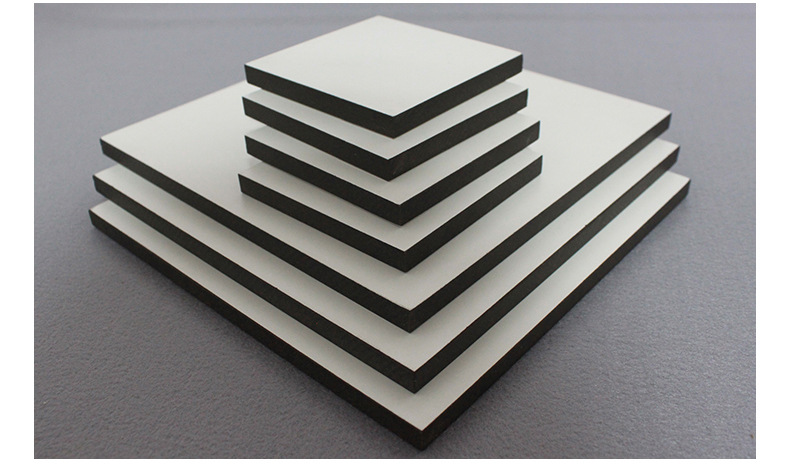
Phenolic laminate boards can be classified by surface finish, performance grade, thickness, and application environment. Choosing the correct type is important for durability, safety, appearance, and long-term project value.
Coated phenolic laminate boards are treated with protective coatings such as polyester paint, fluorocarbon paint, acrylic paint, or other surface protection systems. These coatings improve visual appearance and help enhance water resistance, weather resistance, stain resistance, and fire-retardant performance.
They are suitable for indoor and outdoor use, especially in environments with high humidity, frequent cleaning, or stronger surface durability requirements.
Wood-grain phenolic laminate boards are designed to imitate natural wood through printing, embossing, texture pressing, or decorative surface technology. They provide the warmth and appearance of wood while delivering better durability, moisture resistance, and cleaning performance than many natural wood surfaces.
These boards are commonly used for furniture, wall panels, cabinets, doors, wardrobes, commercial interiors, and decorative cladding systems.
Transparent or colorless phenolic laminate boards feature a clear, smooth, and modern surface. They may provide UV resistance, weather durability, and creative design potential for decorative panels, signage, partitions, lighting-related applications, or modern interiors where transparency and surface aesthetics are important.
Compact phenolic laminate board is a dense, thick, and self-supporting panel made from multiple layers of phenolic resin kraft paper. It is widely used for toilet partitions, bathroom cubicles, lockers, laboratory countertops, school furniture, hospital wall panels, and heavy-duty commercial applications.
Compared with thin decorative laminates, compact phenolic board has stronger structural performance, better impact resistance, and higher durability in high-traffic environments.
Exterior-grade phenolic laminate boards are designed for outdoor use. They typically include UV-resistant overlays, weather-resistant surfaces, and stronger dimensional stability for façades, exterior wall cladding, balcony panels, outdoor furniture, and public facilities.
Laboratory phenolic laminate boards are engineered for chemical resistance, stain resistance, easy cleaning, and high durability. They are used for laboratory worktops, science classrooms, medical testing areas, research benches, pharmaceutical facilities, and industrial workstations.
| Type | Key Features | Best Applications |
|---|---|---|
| Coated Phenolic Board | Protective coating, improved surface durability, weather resistance, decorative finish. | Indoor panels, outdoor panels, humid areas, commercial interiors. |
| Wood-Grain Phenolic Board | Natural wood appearance with laminate durability and moisture resistance. | Furniture, cabinets, wall panels, wardrobes, decorative interiors. |
| Transparent Phenolic Board | Clear surface, modern visual effect, UV resistance, creative design potential. | Decorative panels, signage, partitions, modern interiors. |
| Compact Phenolic Board | Dense solid core, self-supporting structure, strong impact and moisture resistance. | Toilet partitions, lockers, lab countertops, public furniture. |
| Exterior-Grade Phenolic Board | UV resistance, weather resistance, color stability, outdoor durability. | Façades, exterior cladding, balcony panels, outdoor furniture. |
| Laboratory Phenolic Board | Chemical resistance, stain resistance, hygienic surface, easy cleaning. | Lab worktops, science classrooms, medical testing areas, industrial workstations. |
With many suppliers in the market, distinguishing genuine phenolic laminate boards from counterfeit or low-quality products is essential. Authentic boards provide stronger safety, longer service life, better fire performance, more stable appearance, and lower long-term maintenance cost.
Reputable phenolic laminate board manufacturers usually provide clear product identification, traceability, and certification support. Before purchasing, check the brand, manufacturer information, and product documentation carefully.
Brand name and trademark
Production date and batch number
Factory location and manufacturer information
Product certification and warranty documents
Technical data sheet and installation guide
Established brands with strong visibility and proven project references are generally more reliable in quality control, product stability, and after-sales service.
The production process directly affects phenolic board performance. High-quality boards are manufactured using high-pressure and high-temperature lamination with controlled resin impregnation, pressing, curing, trimming, and inspection.
Professional manufacturers usually explain their production process on official websites, brochures, technical documents, or factory videos. Buyers should request product certifications, technical datasheets, and test reports to confirm authenticity.
A genuine phenolic laminate board should have a smooth, uniform, and well-bonded surface. The color, texture, pattern, and finish should be consistent across the panel.
No bubbles, cracks, pinholes, peeling, or surface delamination.
No obvious color difference, blurry pattern, or uneven finish.
Clear decorative effect for woodgrain, solid color, stone, or custom printed surfaces.
Stable gloss, matte, or textured finish according to the product specification.
The core structure is a key indicator of phenolic laminate board quality. Genuine compact phenolic boards should have a dense, solid, uniform core with strong layer bonding.
The cross-section should be compact with no loose layers or obvious voids.
The board should feel solid and heavier than low-density imitation panels.
There should be no visible delamination, swelling, or crumbly edges.
Core color may vary depending on product type, such as black, brown, or colored core.
Phenolic laminate boards are often selected for fire-resistant and fire-retardant performance, especially in malls, schools, hospitals, hotels, public buildings, laboratories, and commercial spaces.
Do not rely only on marketing claims. Always request fire safety reports, product certifications, and test standards that match the actual product grade and thickness.
High-quality phenolic laminate boards can provide better acoustic performance and impact resistance than many ordinary decorative panels. This makes them suitable for office partitions, soundproof doors, public furniture, school furniture, toilet partitions, and commercial interiors.
A simple knock test can help evaluate density. A solid and deep sound usually indicates a dense core, while a hollow or weak sound may suggest lower density or poor bonding.
Phenolic laminate boards may contribute to thermal insulation and improved fire safety depending on product structure and certification. For applications requiring thermal stability or fire-rated performance, confirm technical data and certification labels before purchase.
High-quality phenolic boards should resist moisture, mildew, and swelling better than ordinary wood-based panels. For wet areas such as bathrooms, laboratories, kitchens, and exterior cladding, request water absorption data or perform a controlled sample test if possible.
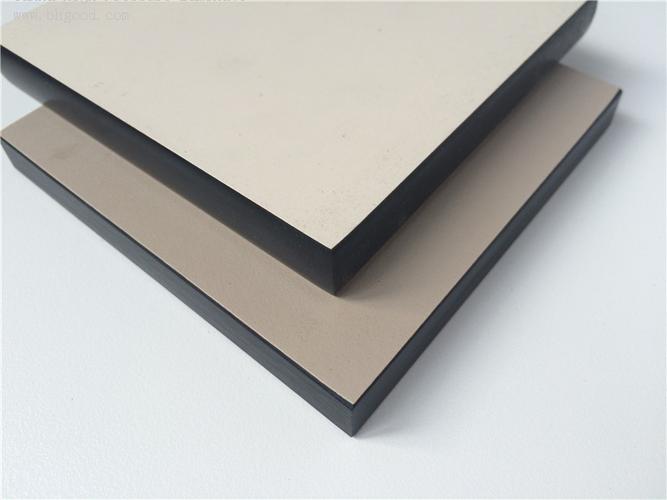
Choosing authentic phenolic laminate boards helps protect project safety, appearance, durability, and long-term value. Counterfeit or substandard boards may appear cheaper at first, but they can cause higher maintenance costs, replacement costs, and safety risks.
Safety: Genuine boards are more likely to comply with fire, environmental, and performance standards.
Durability: High-quality boards last longer than imitations in high-traffic and humid environments.
Cost-effectiveness: Better boards reduce repair, maintenance, and replacement expenses over time.
Aesthetics: Premium products offer better surface finish, color consistency, texture quality, and design flexibility.
Project reliability: Certified products help meet construction, healthcare, education, laboratory, and commercial requirements.
| Inspection Point | What to Check | Genuine Product Signal |
|---|---|---|
| Brand | Trademark, batch number, factory details, warranty. | Clear traceability and manufacturer support. |
| Surface | Color, pattern, texture, smoothness, bonding quality. | No bubbles, peeling, scratches, or uneven color. |
| Core | Density, cross-section, compactness, layer bonding. | Dense solid core with no voids or delamination. |
| Fire Performance | Fire rating, test report, product grade, thickness. | Valid third-party documents for the exact product. |
| Water Resistance | Swelling, mildew resistance, moisture stability. | Stable performance after controlled moisture exposure. |
| Documentation | TDS, certification, installation guide, emission report. | Complete technical support and transparent product data. |
Phenolic laminate boards are important materials in modern construction and interior decoration because they offer strength, durability, water resistance, fire resistance, impact resistance, design flexibility, and long-term value. From coated phenolic boards to wood-grain phenolic panels, transparent boards, compact laminate boards, exterior-grade panels, and laboratory boards, different types serve different project needs.
To avoid counterfeit or substandard products, buyers should check brand reputation, production process, surface quality, core density, fire performance, sound insulation, thermal insulation, water resistance, and technical documentation before placing orders.
Investing in genuine phenolic laminate boards ensures better safety, longer service life, lower maintenance cost, and stronger design performance for residential, commercial, industrial, healthcare, education, and public building projects.
Phenolic laminate boards are high-performance panels made from kraft paper impregnated with phenolic resin and pressed under high temperature and pressure. They are used for countertops, partitions, wall cladding, laboratory worktops, furniture, cabinets, and exterior panels.
The main types include coated phenolic laminate boards, wood-grain phenolic boards, transparent or colorless phenolic boards, compact phenolic laminate boards, exterior-grade phenolic boards, and laboratory chemical-resistant phenolic boards.
You can identify genuine phenolic laminate boards by checking brand markings, manufacturer credentials, production process, surface quality, core density, fire reports, water resistance data, technical datasheets, and product certifications.
Compact phenolic laminate board is used for toilet partitions, restroom cubicles, lockers, laboratory countertops, wall panels, school furniture, hospital furniture, commercial counters, and high-traffic public interiors.
High-quality phenolic laminate boards have excellent moisture resistance and are widely used in bathrooms, laboratories, kitchens, and exterior applications. For long-term waterproof performance, choose the correct grade and follow proper installation methods.
Phenolic laminate boards can provide fire-resistant or fire-retardant performance depending on product formulation, thickness, and test standard. Buyers should request valid fire test reports and confirm that the product matches project requirements.
Wood-grain phenolic board imitates the appearance of natural wood but offers better moisture resistance, scratch resistance, impact resistance, and easier cleaning. Natural wood provides authentic texture but often requires more maintenance.
Yes, exterior-grade phenolic laminate boards can be used outdoors for façades, exterior cladding, balcony panels, outdoor furniture, and public installations. Outdoor use requires UV-resistant and weather-resistant product grades.
Authentic phenolic boards provide better safety, durability, moisture resistance, fire performance, surface quality, and long-term value. Counterfeit or low-quality boards may cause swelling, delamination, fading, poor fire resistance, or early failure.
Before buying, request a technical data sheet, product certification, fire test report, environmental emission report, water resistance data, installation guide, warranty document, and physical sample for quality inspection.