This website uses cookies and similar technologies (“cookies”). Subject to your consent, will use analytical cookies to track which content interests you, and marketing cookies to display interest-based advertising. We use third-party providers for these measures, who may also use the data for their own purposes.
You give your consent by clicking "Accept all" or by applying your individual settings. Your data may then also be processed in third countries outside the EU, such as the US, which do not have a corresponding level of data protection and where, in particular, access by local authorities may not be effectively prevented. You can revoke your consent with immediate effect at any time. If you click on "Reject all", only strictly necessary cookies will be used.
As a leading manufacturer over 20 years. Our exquisite craftsmanship can meet all your requirements!
Chemical Resistant Laminate Cleaning and Maintenance Guide
Views: 0 Author: Serena Sun Publish Time: 2026-06-29 Origin: Site
Table of Contents
Toggle
Introduction
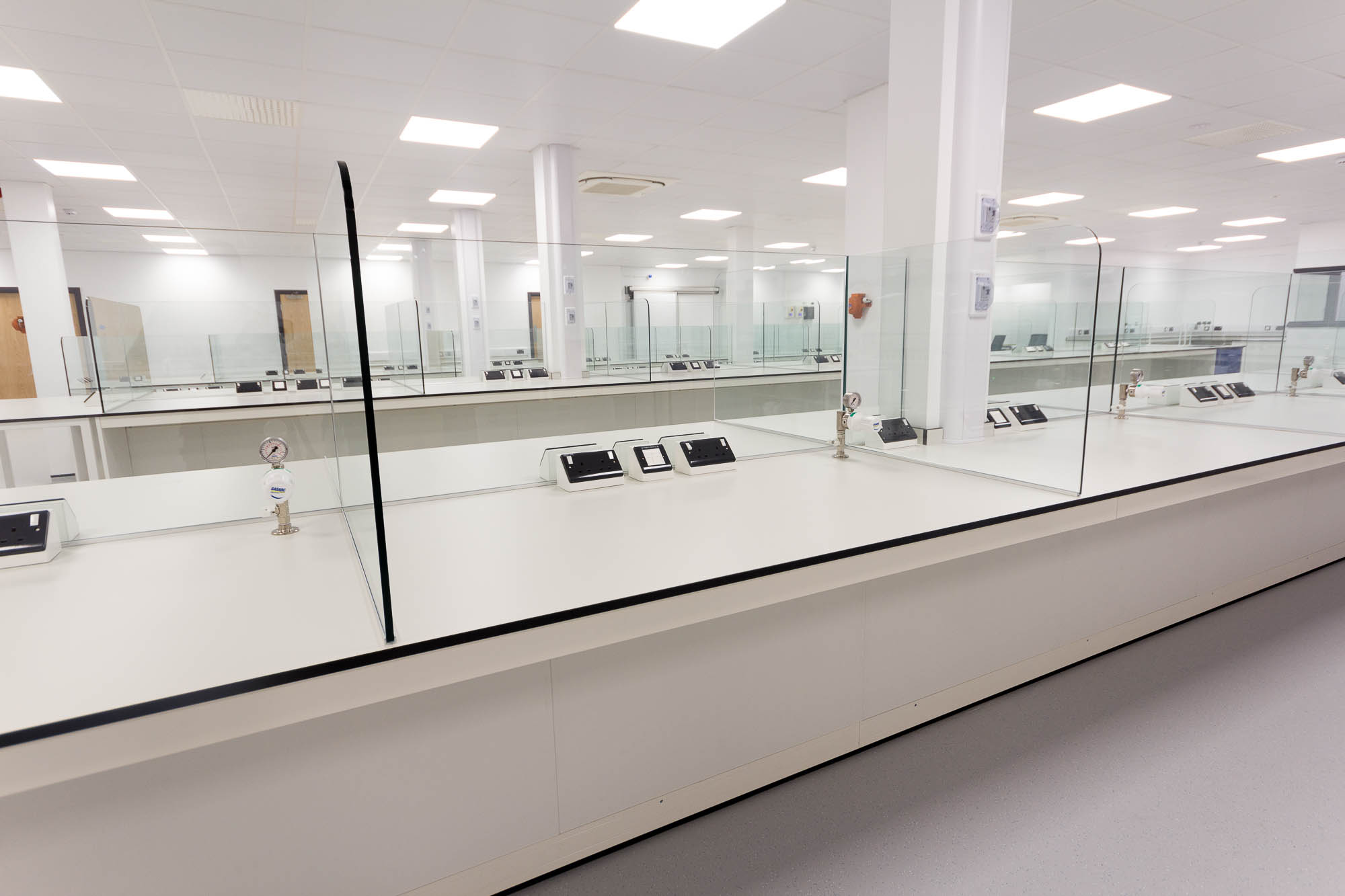
Chemical resistant laminate (CRL) is a high-density Phenolic HPL material widely used for laboratory worktops, medical clean rooms, pharmaceutical workshops, food processing stations, and industrial anti-corrosion workbenches. Engineered with non-porous, chemical-stable surfaces, it resists acids, alkalis, solvents, and daily chemical contamination far better than standard laminate panels.
Although chemical resistant laminate features superior durability and stain resistance, improper cleaning, harsh chemicals, or neglected daily maintenance can gradually damage the surface finish, cause discoloration, or compromise long-term anti-corrosion performance. This professional cleaning and maintenance guide provides standardized, industry-approved procedures to preserve the original appearance, chemical resistance, and service life of chemical resistant laminate surfaces, fully compliant with lab and industrial hygiene standards.
1. Core Maintenance Principles for Chemical Resistant Laminate
To maximize the lifespan of chemical resistant laminate panels, follow three core principles for daily use and upkeep:
Timely Spill Removal: Wipe off all chemical spills, reagent splatters, and stain residues immediately. Even high-grade chemical resistant laminate cannot withstand long-term erosion from concentrated strong acids and alkalis.
pH-Neutral Cleaning Only: Adopt mild, pH-neutral cleaning solutions (pH 6–8) for daily cleaning. Avoid highly acidic, highly alkaline, and abrasive cleaners that etch or scratch the HPL surface layer.
No Abrasive Tools & Excess Water: Use only soft, lint-free cloths or sponges. Avoid steel wool, scouring pads, and excessive water immersion to prevent surface scratches and edge water seepage.
2. Daily Routine Cleaning (For Light Dust & Common Stains)
Daily regular cleaning applies to routine dust, fingerprints, ordinary oil stains, and light dust accumulation on lab worktops, medical countertops, and industrial workbenches. It is recommended to perform cleaning after daily work to keep the surface hygienic and intact.
Approved Cleaning Materials
Soft microfiber cloth, clean sponge, warm water, mild neutral detergent, and standard glass cleaner (ammonia-free).
Step-by-Step Cleaning Process
Remove loose dust and debris from the laminate surface with a dry soft cloth first to avoid secondary scratches during wiping.
Dilute neutral mild detergent with warm water in a 1:10 ratio, soak the sponge and wring it thoroughly to keep it damp (not dripping wet).
Wipe the surface gently in one direction to remove oil stains, fingerprints, and light dirt.
Clean the surface again with a clean damp cloth to eliminate detergent residue.
Dry the surface completely with a dry microfiber cloth to prevent water spots and residual moisture accumulation.
Cleaning Frequency: Daily after work; deep surface cleaning 2–3 times per week for high-frequency usage scenarios such as testing laboratories and food workshops.
3. Deep Cleaning & Stubborn Stain Removal
For stubborn stains including reagent residues, aged oil stains, mild discoloration, and adhesive marks on chemical resistant laminate surfaces, use the following professional and safe removal methods without damaging the anti-chemical surface layer.
3.1 Organic Solvent & Reagent Residues
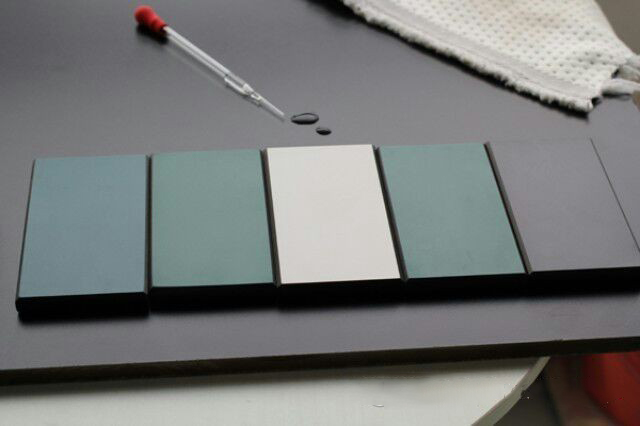
Wipe the stained area with a cotton ball dipped in a small amount of diluted acetone or medical alcohol, rub gently for 1–2 minutes, then rinse thoroughly with warm water and dry immediately. Do not let solvents stay on the surface for more than 3 minutes.
3.2 Mold & Dark Surface Stains
Use diluted household bleach (low concentration) to spot-clean stained areas. After stain removal, rinse the surface completely with clean water and dry it to avoid long-term bleach residue causing surface dullness.
3.3 Scuff Marks & Light Surface Scratches
Gently polish scuff marks with a clean pencil eraser or soft tennis ball. Do not use polishing powder or abrasive wax, which will destroy the original HPL anti-chemical finish.
4. Disinfection Standards for Medical & Lab Scenarios
Chemical resistant laminate used in hospital clean rooms, pharmaceutical workshops, and biological laboratories requires regular disinfection while protecting the panel surface. All disinfection operations must follow industry hygiene standards and surface protection rules.
Approved Disinfectants: LYSOL, VIREX, PURELL, and other commercial neutral disinfectants, suitable for regular surface sterilization.
Disinfection Steps: Spray or wipe the surface with qualified disinfectant, leave it for 3–5 minutes for sterilization, then wipe the surface with a clean damp cloth to remove residual disinfectant, and dry thoroughly.
Disinfection Frequency: High-frequency disinfection 1–2 times a day for medical and pharmaceutical scenarios; regular weekly disinfection for conventional laboratories.
Improper operation is the main cause of shortened service life and surface damage of chemical resistant laminate. The following behaviors are strictly prohibited in daily maintenance:
Prohibit harsh corrosive cleaners: Do not use strong acid, strong alkali, ammonia water, and high-concentration hypochlorite cleaners, which will etch the laminate surface, cause permanent discoloration and surface layer damage.
Prohibit abrasive cleaning tools: Never use steel wool, hard scouring pads, sandpaper, and abrasive cleaning powder to avoid scratching the non-porous protective layer and reducing chemical resistance.
Prohibit waxing & polishing: Do not apply furniture wax, polishing agent, or sealing wax. Chemical resistant laminate has a self-forming high-gloss HPL finish, and wax products will cause residue accumulation and surface dullness.
Prohibit long-term water immersion: Avoid excessive water accumulation on the surface and edge gaps to prevent moisture penetration into the core layer, resulting in delamination and bulging.
Prohibit direct high-temperature contact: Do not place high-temperature equipment (over 120°C) directly on the laminate surface without heat insulation pads to prevent surface scorching and layer aging.
6. Regular Long-Term Maintenance Checklist
Standardized periodic maintenance can effectively maintain the anti-corrosion, anti-stain, and anti-aging performance of chemical resistant laminate, extending the overall service life to 10–15 years.
Monthly Maintenance
Inspect the whole surface for stains, scratches, and local discoloration; clean edge gaps thoroughly to remove hidden dust and reagent residues; check for loose edge sealing.
Quarterly Maintenance
Perform full deep cleaning and disinfection; inspect the edge sealing integrity of worktops and partitions; re-clean and maintain dead corners of splicing gaps.
Semi-Annual Maintenance
Comprehensively check the surface anti-chemical layer status; repair slight edge wear with professional compatible sealant; remove aged stubborn stains comprehensively.
7. Common Problems & Troubleshooting
Q1: The laminate surface becomes dull and loses gloss?
Cause: Long-term residual detergent, improper waxing, or abrasive cleaning damage. Solution: Clean the surface with neutral detergent and warm water, wipe dry completely, and stop using abrasive and wax products.
Q2: Local slight discoloration after reagent splashing?
Cause: Residual chemical erosion without timely cleaning. Solution: Spot clean with diluted alcohol or low-concentration bleach, rinse and dry immediately; strengthen timely spill cleaning in subsequent use.
Q3: Edge gaps appear damp and slightly bulging?
Cause: Long-term moisture penetration. Solution: Keep the area dry, stop water flushing directly on edges, and reapply professional edge sealant after drying completely.
8. Conclusion
Chemical resistant laminate is a high-performance industrial and architectural material with excellent anti-corrosion, anti-stain, and durable properties. Its superior performance can be fully retained only through scientific daily cleaning, standardized disinfection, and regular professional maintenance.
Adhering to neutral mild cleaning, timely stain removal, and avoiding prohibited operation behaviors can effectively prevent surface damage, maintain stable chemical resistance, and maximize the service life of laminate panels in laboratories, medical clean rooms, pharmaceutical factories, and industrial anti-corrosion scenarios.
FAQs
Q1: Can I use bleach to clean chemical resistant laminate?
Yes, low-concentration diluted bleach is allowed for stubborn stain removal and disinfection, but you must rinse the surface thoroughly with clean water and dry it immediately after use to avoid long-term residue damage.
Q2: How often should chemical resistant laminate worktops be disinfected?
Medical, pharmaceutical and biological lab scenarios require daily disinfection; conventional chemical and testing laboratories can be disinfected 2–3 times a week according to usage frequency.
Q3: Will alcohol damage chemical resistant laminate surfaces?
Qualified medical alcohol can be used for daily stain removal and disinfection with no damage to the phenolic laminate surface, making it the safest daily cleaning solvent besides neutral detergent.
Q4: Is waxing necessary for chemical resistant laminate maintenance?
No. Waxing is strictly prohibited. The original HPL surface has stable gloss and anti-fouling performance, and wax products will only cause residue accumulation and surface dullness.
 Русский
 English
 العربية
 Français
 Español
 Português
 Deutsch
 italiano
 日本語
日本語 한국어
한국어 Nederlands
 Tiếng Việt
 ไทย
ไทย Polski
 Türkçe
 አማርኛ
አማርኛ Bahasa Melayu
 தமிழ்
தமிழ் Filipino
 Bahasa Indonesia
 magyar
 Română
 Монгол
 қазақ
қазақ Српски
 हिन्दी
 فارسی
فارسی Kiswahili
 Slovenčina
 Slovenščina
 Svenska
 українська
 Ελληνικά
 Suomi
Suomi Հայերեն
 עברית
עברית اردو
اردو Shqip
Shqip বাংলা
বাংলা Hrvatski
 Afrikaans
 Māori
Māori සිංහල
සිංහල Oʻzbekcha
 latviešu
 Беларуская мова
 Bosanski
 Български
 ქართული
 Lietuvių
 Malti
Malti Runasimi