Common Problems and Solutions for HPL Fireproof Boards and Phenolic Laminate Panels
High-Pressure Laminate fireproof boards, also known as HPL fire-resistant boards or phenolic laminate panels, are engineered surface materials made by impregnating kraft paper with phenolic resin, adding a decorative surface layer, and pressing the layers under high temperature and high pressure. The final board provides fire-resistant performance, wear resistance, moisture resistance, impact resistance, and rich decorative options.
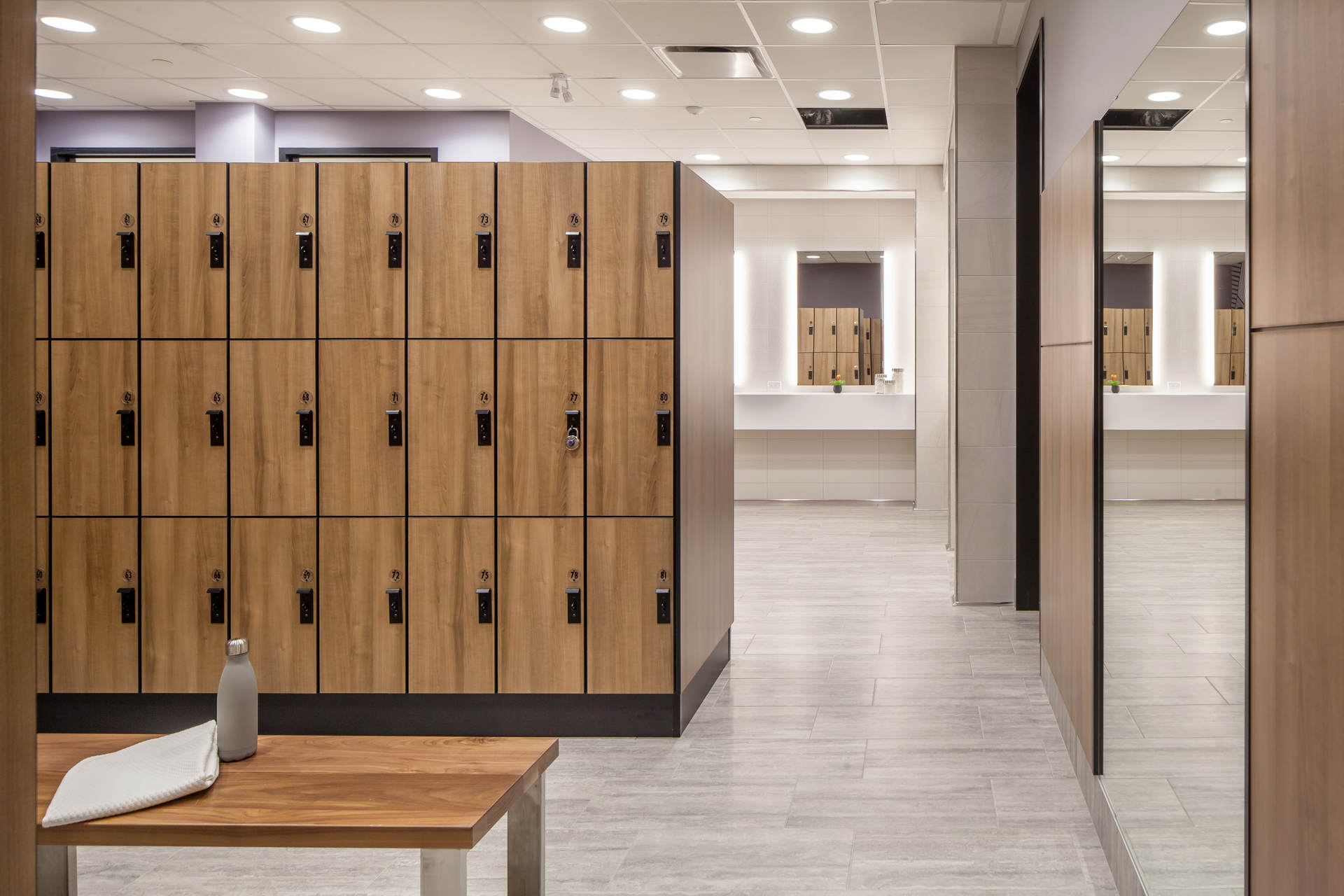
HPL fireproof boards are widely used for interior wall cladding, toilet partitions, lockers, laboratory countertops, commercial furniture, cabinet panels, hospital casework, school furniture, public facility decoration, and high-traffic commercial interiors.
However, during production, storage, fabrication, and installation, HPL fireproof boards may face quality problems such as cracking, delamination, warping, bubbling, surface defects, edge chipping, adhesive failure, color variation, and moisture-related deformation. Understanding these problems and their causes helps manufacturers, contractors, installers, and buyers improve project quality and reduce after-sales risk.
Why HPL Fireproof Board Problems Happen
Most problems with HPL fireproof boards are not caused by one single factor. They usually come from a combination of raw material quality, resin formulation, impregnation process, volatile content, hot pressing parameters, cooling control, substrate compatibility, storage conditions, cutting tools, adhesive selection, and installation environment.
For example, cracking may be related to incomplete resin curing or excessive internal stress. Delamination may be caused by insufficient resin bonding, contamination, or improper pressing. Warping may result from unbalanced construction, moisture imbalance, uneven cooling, or poor storage. For project applications, even a well-manufactured board can fail if it is stored, cut, bonded, or installed incorrectly.
Quick Troubleshooting Table for HPL Fireproof Boards
| Common Problem | Typical Symptoms | Main Causes | Main Solutions |
| Cracking | Visible cracks, corner cracks, cutting cracks, stress cracks | Incomplete resin curing, excessive brittleness, internal stress, wrong cutting method | Optimize resin reaction, pressing temperature, pressing time, cooling, and cutting tools |
| Delamination | Layer separation, peeling, weak bonding, lifted surface | Low resin content, wrong volatile content, insufficient pressure, contamination | Control impregnation, pressing pressure, heating time, cleanliness, and adhesive compatibility |
| Warping | Panel bending, uneven flatness, curled edges | Unbalanced construction, uneven paper thickness, moisture difference, poor cooling | Use balanced construction, uniform kraft paper, controlled cooling, and proper storage |
| Bubbling | Surface bubbles, hollow spots, raised areas | Moisture vapor, trapped air, poor bonding, incorrect pressing or adhesive application | Control moisture, degassing, adhesive spread, pressing pressure, and curing conditions |
| Edge Chipping | Broken edges, rough cuts, chipped corners | Dull blade, wrong feed speed, poor sheet support, incorrect cutting direction | Use sharp carbide blades, stable cutting equipment, scoring tools, and edge finishing |
| Color Difference | Batch variation, uneven decorative surface, inconsistent finish | Decorative paper variation, pressing inconsistency, mixed production batches | Use batch control, sample approval, production records, and proper project sequencing |
1. Why Do HPL Fireproof Boards Crack?
Cracking is one of the most common problems affecting HPL fireproof boards and phenolic laminate boards. Cracks may appear during production, storage, cutting, drilling, transportation, installation, or long-term use. They can affect both board appearance and structural performance.
Common Causes of HPL Board Cracking
The resin reaction is incomplete, resulting in smaller molecular structures and weaker final performance.
The resin inside the kraft paper layers is not fully cured, leading to weak internal bonding.
Excessively high glue content in the decorative surface layer can create brittleness and internal tension.
Incorrect hot pressing temperature, pressure, or time may create uneven curing and stress concentration.
Improper cutting, drilling, or notching can create micro-cracks, especially around corners and cutouts.
Sudden temperature or humidity changes may increase dimensional stress in the panel.
Solutions to Prevent HPL Fireproof Board Cracking
Use high-quality resin with suitable molecular weight, viscosity, and reactivity.
Increase hot pressing temperature or extend pressing time when needed to ensure complete resin curing.
Control glue content in the surface decorative film to avoid excessive brittleness.
Optimize cooling after pressing to reduce internal stress before demolding.
Use sharp carbide tools, stable cutting equipment, correct feed speed, and proper support during fabrication.
Avoid sharp internal corners in cutouts; use rounded corners to reduce stress concentration.
By controlling resin formulation, pressing conditions, cooling, and cutting methods, cracking can be significantly reduced and the service life of HPL fireproof boards can be improved.
2. What Causes Delamination in HPL Fireproof Boards?
Delamination refers to the separation of layers inside the phenolic laminate panel. It may appear as peeling, loose surface layers, weak internal bonding, raised edges, surface bubbles, or complete layer separation. Delamination can seriously affect board strength, appearance, and long-term performance.
Common Causes of HPL Delamination
Low volatile content in the impregnated paper can cause partial curing during drying, weakening later bonding.
Insufficient resin content in the impregnated paper reduces adhesion between layers.
Inadequate pressing pressure or insufficient pressing time prevents proper bonding.
Dust, debris, oil, or contaminants between layers interfere with resin bonding.
Incorrect storage or moisture absorption may weaken the panel before installation.
Wrong adhesive or insufficient bonding pressure may cause delamination in laminated assemblies.
Solutions to Prevent HPL Delamination
Maintain correct volatile content in impregnated paper and avoid excessive drying temperature or drying time.
Increase or stabilize resin content to ensure strong adhesion between kraft paper layers.
Adjust hot pressing pressure, temperature, and heating time to improve bonding quality.
Keep the laying and assembly environment clean, dry, and dust-free.
Use compatible adhesives and follow the correct spread rate, open time, pressure, and curing time.
Inspect panel edges and surfaces before installation to identify early signs of separation.
A stable impregnation process, clean production environment, correct pressing parameters, and proper bonding control are the key measures for preventing delamination in phenolic laminate panels.
3. Why Does Warping Occur in HPL Fireproof Boards?
Warping or deformation affects the flatness of HPL fireproof boards and phenolic laminate panels. It can make installation difficult, create uneven joints, reduce visual quality, and cause long-term stress in wall panels, furniture panels, partitions, and laminated assemblies.
Common Causes of HPL Board Warping
Uneven thickness or composition of base kraft papers used in the panel layers.
Inconsistent glue content in impregnated paper, causing uneven pressure and curing behavior.
Inadequate cooling after pressing, leaving internal stress inside the board.
Unbalanced panel construction, especially when one side is laminated differently from the other side.
Moisture imbalance between the HPL panel, substrate, and installation environment.
Improper storage, such as leaning panels against walls or placing them in humid areas.
Solutions to Prevent HPL Board Warping
Use base kraft papers that meet uniformity standards for thickness, density, and composition.
Maintain consistent resin concentration and regularly calibrate impregnation equipment.
Allow panels to cool properly before removal from the press to reduce internal stress.
Use balanced construction or suitable backer sheets when bonding HPL to a substrate.
Store panels flat, fully supported, dry, and away from extreme humidity or direct sunlight.
Acclimate HPL panels and substrates before bonding or installation.
Proper production control and balanced construction are especially important for large HPL wall panels, cabinet doors, tabletops, toilet partitions, and furniture panels where flatness directly affects project quality.
4. Why Do Bubbles Appear on HPL Fireproof Boards?
Bubbling is another common issue in HPL fireproof boards and laminated panels. It may appear as small raised spots, hollow areas, blisters, or surface swelling. Bubbles can occur during hot pressing, adhesive bonding, or after installation.
Common Causes of HPL Surface Bubbles
Excess moisture or volatile content creates vapor during heating or bonding.
Air is trapped between layers or between the HPL sheet and substrate.
Adhesive is applied unevenly or at the wrong spread rate.
Pressing pressure is insufficient or not uniform across the panel.
Dust, oil, or surface contamination prevents proper bonding.
Solutions to Prevent HPL Bubbling
Control moisture and volatile content before pressing or bonding.
Keep bonding surfaces clean, dry, and free from dust or oil.
Use the correct adhesive and apply it evenly according to technical instructions.
Apply uniform pressure with a press, roller, or approved pressure method.
Respect adhesive open time, tack time, and curing time before moving or loading panels.
5. Why Do HPL Fireproof Board Edges Chip During Cutting?
Edge chipping is common during cutting, drilling, routing, or trimming. It can reduce the appearance of HPL panels and may create weak points where moisture or dirt can enter if the edge is not protected.
Common Causes of Edge Chipping
Dull saw blades or incorrect tooth geometry.
Incorrect cutting speed or feed direction.
Poor panel support during cutting.
Excessive vibration from unstable equipment.
No scoring blade or zero-clearance support when cutting decorative surfaces.
Solutions to Reduce HPL Edge Chipping
Use sharp high-tooth-count carbide blades suitable for laminate cutting.
Use stable cutting equipment such as a panel saw or sliding table saw.
Support the panel fully to reduce vibration and movement.
Use scoring blades, masking tape, or zero-clearance inserts where appropriate.
Finish exposed edges with edge banding, sanding, sealing, or polishing according to the application.
6. Why Does Adhesive Failure Happen in HPL Laminated Panels?
Adhesive failure may appear as peeling, loose panels, hollow spots, edge lifting, or separation between HPL sheets and substrates. It often occurs in furniture panels, wall cladding, countertops, cabinet doors, and field-bonded assemblies.
Common Causes of Adhesive Failure
Wrong adhesive type for the selected HPL sheet, substrate, or site condition.
Uneven adhesive spread or insufficient adhesive coverage.
Insufficient pressure during bonding.
Bonding surfaces are dusty, oily, wet, or not properly prepared.
Incorrect open time, curing time, temperature, or humidity during installation.
Substrate movement is not compatible with the HPL sheet.
Solutions to Improve HPL Bonding Quality
Select adhesive according to HPL type, substrate, humidity level, and application area.
Clean and condition all bonding surfaces before lamination.
Apply adhesive at the recommended spread rate and coverage.
Use uniform pressing pressure and respect curing time.
Avoid field bonding in dusty, wet, cold, or unstable jobsite environments when shop bonding is possible.
7. Storage and Handling Tips for HPL Fireproof Boards
Even before fabrication, improper storage can cause warping, moisture imbalance, corner damage, scratches, and surface contamination. Correct storage is essential for maintaining panel flatness and performance.
Store HPL panels flat, fully supported, and off the floor.
Keep boards in a dry, ventilated, and stable indoor environment.
Avoid direct sunlight, rain, high humidity, and rapid temperature changes.
Do not lean large panels against walls for long periods.
Protect edges and corners during transportation and handling.
Keep panels and substrates in the same environment before bonding to reduce movement difference.
8. Installation Tips for HPL Fireproof Boards and Phenolic Laminate Panels
Production quality is important, but installation quality also determines the final performance of HPL fireproof boards. Installers should pay attention to substrate compatibility, moisture balance, cutting tools, adhesive selection, expansion gaps, edge sealing, and post-installation protection.
Pre-Installation Checklist
Check board condition immediately after delivery, including cracks, warping, delamination, scratches, and edge damage.
Confirm the HPL grade is suitable for wall cladding, toilet partitions, lockers, lab countertops, or furniture panels.
Acclimate boards and substrates before bonding or installation.
Use compatible substrates, adhesives, hardware, and fixing systems.
Leave suitable expansion gaps and avoid forcing panels into tight spaces.
Seal or finish exposed edges where moisture exposure is possible.
Quality Control Checklist for HPL Manufacturers
| Control Point | Why It Matters | Inspection Focus |
| Resin formulation | Affects curing, bonding, brittleness, and crack resistance | Viscosity, reactivity, molecular weight, batch stability |
| Paper impregnation | Affects resin distribution and layer bonding | Resin content, volatile content, drying temperature, drying time |
| Layer assembly | Prevents contamination and weak internal bonding | Dust control, paper alignment, clean production environment |
| Hot pressing | Determines curing, density, bonding, and surface quality | Temperature, pressure, time, plate condition, cycle control |
| Cooling and conditioning | Reduces internal stress and deformation | Cooling temperature, stacking method, flatness, storage humidity |
| Final inspection | Prevents defective boards from entering projects | Cracks, delamination, warping, bubbles, color difference, edge quality |
What Should Customers Do If HPL Boards Have Problems?
If cracks, warping, delamination, bubbling, or serious color differences are found, customers should not continue installation before the problem is identified. Continuing installation may make diagnosis more difficult and may increase project loss.
Take clear photos of the problem, including close-up and full-panel views.
Record batch number, delivery date, storage condition, and installation environment.
Check whether the issue appeared before or after cutting, bonding, or installation.
Keep several defective samples for supplier inspection.
Contact the HPL manufacturer or supplier for technical diagnosis and resolution.
Conclusion: Better Quality Control Means Better HPL Panel Performance
HPL fireproof boards and phenolic laminate panels are high-performance materials widely used in modern construction, commercial interiors, public facilities, laboratories, restrooms, lockers, and furniture systems. Their fire resistance, decorative flexibility, durability, moisture resistance, and surface strength make them a practical choice for many projects.
However, problems such as cracking, delamination, warping, bubbling, edge chipping, adhesive failure, and color difference can occur if production, storage, fabrication, or installation is not properly controlled. By understanding the root causes and applying the correct solutions, manufacturers, suppliers, contractors, and customers can achieve more stable, durable, and visually consistent HPL fireproof board applications.
If problems occur in a project, the best approach is to diagnose the cause with the supplier instead of guessing. A responsible HPL manufacturer should help review production data, samples, site conditions, installation methods, and provide a practical solution.
FAQ About HPL Fireproof Board Problems and Solutions
Why do HPL fireproof boards crack?
HPL fireproof boards may crack because of incomplete resin curing, excessive brittleness, high internal stress, improper pressing parameters, sudden temperature or humidity changes, or incorrect cutting and drilling methods. Using stable resin, correct hot pressing conditions, controlled cooling, and proper cutting tools can reduce cracking.
What causes delamination in phenolic laminate panels?
Delamination in phenolic laminate panels is usually caused by insufficient resin content, incorrect volatile content, premature curing during drying, inadequate pressing pressure, short heating time, contamination between layers, or poor adhesive bonding during fabrication.
How can HPL fireproof board warping be prevented?
Warping can be prevented by using uniform kraft paper, maintaining consistent resin content, controlling hot pressing and cooling, using balanced construction, storing boards flat, and acclimating panels and substrates before bonding or installation.
Why do bubbles appear on HPL laminate panels?
Bubbles may appear because of excess moisture, trapped air, uneven adhesive spread, insufficient pressure, contaminated bonding surfaces, or incorrect curing conditions. Proper moisture control, clean surfaces, uniform adhesive application, and correct pressing pressure help prevent bubbling.
How do you cut HPL fireproof boards without chipping?
To reduce chipping, use sharp high-tooth-count carbide blades, stable panel saws or sliding table saws, full sheet support, proper feed speed, scoring blades where possible, and edge finishing after cutting. Avoid dull blades and unsupported cutting.
Can HPL fireproof boards be used in wet areas?
HPL fireproof boards can be used in many humid interior environments, but wet-area performance depends on board type, substrate, edge treatment, sealing, and installation method. For shower rooms, pool areas, and constant wet exposure, compact phenolic laminate panels are usually a better choice.
Why does adhesive failure happen when bonding HPL panels?
Adhesive failure may occur when the wrong adhesive is used, the adhesive is applied unevenly, pressure is insufficient, surfaces are contaminated, open time is ignored, curing conditions are poor, or the substrate moves differently from the HPL panel.
How should HPL fireproof boards be stored before installation?
HPL fireproof boards should be stored flat, fully supported, dry, ventilated, and protected from direct sunlight, rain, high humidity, and edge damage. Avoid leaning large panels against walls for long periods because this may cause deformation.
What should buyers check when receiving HPL boards?
Buyers should check board flatness, surface defects, cracks, delamination, bubbles, color consistency, edge damage, size accuracy, thickness, packaging condition, batch number, and whether the product matches the approved sample and project specification.
Who should be contacted if HPL fireproof board problems occur?
If cracking, delamination, warping, bubbling, or installation failure occurs, contact the HPL manufacturer or supplier with photos, batch information, storage details, fabrication records, and installation conditions. A professional supplier can help identify the cause and provide a suitable solution.
 Русский
 English
 العربية
 Français
 Español
 Português
 Deutsch
 italiano
 日本語
日本語 한국어
한국어 Nederlands
 Tiếng Việt
 ไทย
ไทย Polski
 Türkçe
 አማርኛ
አማርኛ Bahasa Melayu
 தமிழ்
தமிழ் Filipino
 Bahasa Indonesia
 magyar
 Română
 Монгол
 қазақ
қазақ Српски
 हिन्दी
 فارسی
فارسی Kiswahili
 Slovenčina
 Slovenščina
 Svenska
 українська
 Ελληνικά
 Suomi
Suomi Հայերեն
 עברית
עברית اردو
اردو Shqip
Shqip বাংলা
বাংলা Hrvatski
 Afrikaans
 Māori
Māori සිංහල
සිංහල Oʻzbekcha
 latviešu
 Беларуская мова
 Bosanski
 Български
 ქართული
 Lietuvių
 Malti
Malti Runasimi