Phenolic Laminate Board Maintenance: Cleaning and Care Guide
Phenolic laminate boards, commonly called compact HPL panels or solid phenolic laminate, are used in restroom partitions, lockers, laboratory furniture, countertops, commercial wall panels, school furniture, and other interior applications requiring durable decorative surfaces.
Although compact phenolic laminate is designed to resist many forms of everyday wear, proper cleaning and periodic inspection are essential. Abrasive tools, unsuitable chemicals, concentrated heat, damaged fixings, and incorrect cleaning procedures can affect surface appearance and the performance of the installed panel.
Quick answer: Clean phenolic laminate with a soft, non-abrasive cloth, clean water, and a mild detergent suitable for the selected product. Remove cleaner residue, dry the surface, protect it from excessive heat and sharp objects, and inspect joints, edges, and hardware periodically. Use stronger chemical treatments only when approved by the manufacturer of the exact laminate grade.
This guide covers daily cleaning, stubborn stain removal, chemical compatibility, scratch prevention, maintenance of laboratory worktops and restroom partitions, exterior panel care, inspection procedures, and common maintenance mistakes. It is intended for facility managers, furniture manufacturers, building contractors, distributors, and commercial project buyers.
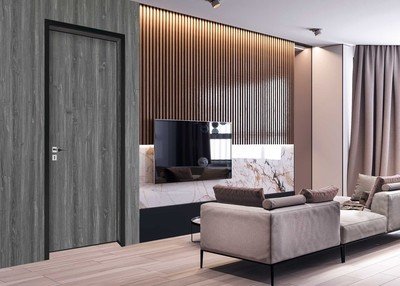
Proper cleaning and inspection help maintain phenolic laminate panels used in commercial and institutional interiors.
Request Phenolic Laminate Board Information
1. Understanding Phenolic Laminate Before Maintenance
What Is a Phenolic Compact Laminate Board?
Phenolic compact laminate is a consolidated high-pressure laminate made from layers of fibrous materials impregnated with thermosetting resins. The finished board has a dense core and decorative surfaces suitable for applications specified by the manufacturer.
Compact HPL is different from thin decorative HPL bonded to an MDF or particleboard substrate. Compact panels can be used in certain self-supporting applications when their thickness, support, fixings, and mechanical performance are appropriate.
For maintenance, this distinction matters. A compact phenolic panel and an HPL-faced MDF panel may have similar-looking decorative faces, but their exposed edges, joints, moisture behavior, and repair requirements can differ.
Explore POLYBETT Phenolic Laminate Boards for product constructions and available options.
Why Compact HPL Requires Product-Specific Care
Different compact laminate products may use different surface treatments, colors, textures, and performance grades. These differences can influence resistance to cleaning agents, stains, abrasion, and chemical exposure.
General-purpose compact HPL, exterior-grade HPL, anti-fingerprint laminates, and chemical-resistant laboratory panels should not automatically receive identical cleaning treatments.
Before using a new cleaning product, verify that it is compatible with the particular laminate. Where the supplier's cleaning guidance differs from general recommendations, follow the applicable product instructions.
2. Key Phenolic Laminate Properties and Their Maintenance Implications
Understanding the relationship between material characteristics and routine care helps prevent avoidable surface damage.
| Property | Maintenance Meaning | Practical Care Tip |
| Surface Durability | Suitable grades provide resistance to ordinary abrasion and impact, but the surface can still be damaged. | Use protective pads, cutting boards, and suitable handling methods. |
| Moisture Resistance | Compact construction is useful in specified humid environments, although panel movement and installation details still matter. | Remove standing water and inspect joints, cutouts, edges, and hardware locations. |
| Cleanable Surface | Many compact HPL surfaces can be cleaned using ordinary mild cleaning methods. | Use soft cloths, compatible detergent, clean-water wiping, and drying. |
| Heat Resistance | Performance depends on the grade and exposure conditions; concentrated direct heat can damage surfaces. | Use heat-protective mats and avoid direct contact with hot equipment. |
| Decorative Finishes | Matte, glossy, textured, and specialty surfaces may respond differently to cleaning. | Avoid aggressive polishing and follow the exact surface care instructions. |
Important: Easy cleaning does not automatically mean antibacterial performance. Similarly, moisture resistance does not establish that a panel is suitable for continuous immersion, every cleaning chemical, or every exterior environment.
3. Daily Cleaning: Step-by-Step Phenolic Laminate Care
Step 1: Remove Loose Dirt and Dust
Start by removing dust, grit, and other loose particles with a clean, soft cloth. Avoid dragging abrasive debris across the decorative surface.
For heavily used furniture and work surfaces, check for loose particles before wiping. Small pieces of metal, sand, or other hard debris can create scratches when rubbed against the laminate.
Step 2: Clean with Water and Mild Detergent
Dampen a soft microfiber cloth or non-abrasive sponge with clean water. Where necessary, use a small amount of mild detergent approved for the laminate.
Wipe the surface gently, paying additional attention to areas with visible fingerprints, food residue, or routine handling marks.
Do not use steel wool, abrasive scouring pads, sharp tools, or aggressive mechanical polishing during ordinary cleaning.
Step 3: Remove Cleaning Residue
After cleaning, wipe the surface with a separate clean cloth dampened with water to remove remaining detergent and loosened dirt.
Leaving detergent residue on a decorative surface may cause streaking, visible deposits, or recurring marks after the surface dries.
Step 4: Dry and Inspect the Surface
Dry the panel using a clean, soft, non-abrasive cloth. Check the cleaned area under normal lighting.
Inspect corners, joints, fixings, and nearby surfaces for trapped water or remaining contamination.
For commercial maintenance teams, a consistent clean-rinse-dry procedure is a practical starting point for routine care.
4. Cleaning Products to Use and Avoid
The following table provides conservative first-line recommendations for common cleaning situations. Stronger treatments are not universally suitable for all phenolic laminate grades.
| Cleaning Situation | Recommended First Method | Avoid or Verify Before Use |
| Daily dust and fingerprints | Soft microfiber cloth, clean water, and suitable mild detergent. | Steel wool, abrasive pads, and rubbing dry grit into the surface. |
| Food stains and drink spills | Remove promptly, clean gently, wipe away residue, and dry. | Allowing colored liquids or residues to remain for extended periods. |
| Grease and oily residue | Compatible mild detergent or approved non-abrasive laminate cleaner. | Unapproved industrial degreasers or concentrated solvents. |
| Persistent marks and stains | Repeat mild cleaning and consult the specific product care guide. | Strong scrubbing, abrasive powder, or improvised polishing. |
| Laboratory chemical residue | Follow the facility's chemical-spill procedure and the surface compatibility instructions. | Unknown neutralizers, cleaners, or handling methods that create additional hazards. |
| Disinfection | Use a disinfectant confirmed compatible with the exact laminate and required facility protocol. | Assuming all bleach-based, acidic, alkaline, or alcohol-based products are universally suitable. |
Product manufacturers may approve particular solvents or specialized cleaning methods for specific laminate collections. Such recommendations should only be followed when they apply to the installed material.
Always test a new approved cleaning product in an inconspicuous area where practical, and follow the relevant product safety instructions.
5. How to Remove Stubborn Stains from Phenolic Laminate
Coffee, Tea and Colored Beverage Stains
Remove fresh spills promptly with a soft cloth. Clean the affected area using water and an approved mild detergent.
If a colored mark remains, repeat gentle cleaning before considering a specialized stain-removal procedure.
Do not assume that strong bleach or a concentrated solvent is appropriate simply because a stain is difficult to remove.
Oil, Grease and Food Residue
Remove excess contamination without spreading it across the work surface.
Use a compatible mild detergent and a soft cloth. Remove remaining detergent with clean water and dry thoroughly.
Avoid aggressive scouring or prolonged application of concentrated degreasers unless specifically permitted by the laminate manufacturer.
Ink, Marker and Dye Stains
Some inks and dyes can stain decorative surfaces if left untreated. Remove fresh contamination as soon as practical.
Begin with ordinary mild cleaning. For persistent stains, identify the contaminant and use only the removal procedure permitted for the exact product.
Certain manufacturers approve specific solvents for some laminates, but solvent compatibility varies. Avoid unapproved acetone, paint thinner, or marker removers.
Adhesive, Wax and Hardened Residues
Where residue is raised above the surface, check whether the manufacturer permits careful removal using a suitable non-metallic tool.
Do not scrape the laminate with a steel blade or sharp metal implement. Once the bulk of the residue is removed, clean the remaining mark using an approved method.
Hard-Water Marks and Mineral Deposits
Mineral deposits can form on surfaces exposed to repeated water evaporation, particularly near sinks and washroom fittings.
Start by cleaning with water and a soft cloth. If deposits remain, consult the surface care guide before using a descaling product.
Acidic limescale removers can damage some laminate surfaces and should not be applied without appropriate compatibility confirmation.
Should Baking Soda Paste Be Used?
Some laminate manufacturers describe limited use of baking soda paste for particular products. However, baking soda has abrasive characteristics, and excessive rubbing may alter the sheen or finish.
For POLYBETT or any other phenolic board, do not use abrasive paste unless the specific product's care documentation permits the method.
6. Ten Essential Phenolic Laminate Maintenance Practices
1. Clean Regularly with Compatible Mild Products
Establish a cleaning routine appropriate to the area. Restroom partitions, school desks, public counters, and furniture exposed to frequent handling may require more frequent cleaning than decorative wall panels in low-traffic rooms.
Use approved cleaning materials and avoid allowing dirt to accumulate for extended periods.
2. Avoid Aggressive Chemicals and Abrasive Cleaning
Do not assume that a dense phenolic core makes every decorative surface resistant to strong acids, alkalis, bleach, or solvents.
Use stronger products only when their compatibility has been confirmed for the exact laminate grade and the intended cleaning procedure.
3. Use Soft Non-Abrasive Cleaning Tools
Use clean microfiber cloths or suitable non-abrasive sponges. Remove gritty contamination before wiping.
Avoid steel wool, hard scouring pads, rough brushes, and unapproved polishing accessories that could scratch or change the surface gloss.
4. Prevent Surface Scratches and Impact Damage
Use cutting boards on kitchen worktops and protective mats under equipment with abrasive feet.
Lift heavy objects instead of dragging them over the surface.
Use suitable protective pads under furniture accessories and equipment.
Avoid direct cutting on phenolic laminate worktops.
Protect exposed corners and edges from repeated hard impact.
5. Protect Worktops from Excessive Heat
Although selected phenolic laminate grades provide useful heat resistance, concentrated or prolonged heat may damage the finish or surrounding assembly.
Use appropriate trivets or heat-protective mats beneath cookware, portable appliances, heating tools, and laboratory equipment where required.
Do not treat general heat resistance as permission to place objects directly from an oven or burner onto the panel.
6. Remove Spills Promptly
Promptly address food spills, beverages, ink, oils, and other common contamination using a compatible cleaning method.
Where a chemical spill creates a safety risk, follow the facility's emergency procedure rather than attempting ordinary furniture cleaning.
After a safe and approved cleanup, inspect the affected surface for discoloration, softening, changes in gloss, or other evidence of damage.
7. Start with the Mildest Effective Cleaning Method
A useful general principle is to begin with mild cleaning and move to specialized treatment only when the material supplier approves it.
Repeated strong cleaning can cause unnecessary surface wear even when the underlying laminate structure remains intact.
8. Check Edges, Cutouts, Seams and Fixings
Inspect panel edges, sink openings, fixing holes, joints, and installation hardware. Where sealants or bonded joints are part of the designed assembly, check their condition.
Compact HPL does not necessarily require decorative edge banding like an MDF-based panel, but machined edges and fixings still require suitable fabrication and inspection.
9. Maintain Exterior Phenolic Panels According to Their Grade
For outdoor furniture or facade cladding, use products expressly approved for exterior exposure.
Clean environmental deposits according to the exterior panel manufacturer's instructions and inspect relevant fixings, joints, drainage paths, and support components.
Do not apply ordinary interior laminate care instructions to an exterior facade without checking the applicable product and system documentation.
10. Avoid Unapproved Wax, Polish, Sealants and Surface Treatments
Many phenolic laminate surfaces do not require routine waxing, oiling, or additional topical coatings.
Unapproved polishes can leave residues or alter the visible sheen, particularly on matte or textured surfaces.
Only apply a special surface or edge treatment when it is specified for the installed product and application.
7. Maintenance of Phenolic Laminate by Application Area
Cleaning and inspection priorities depend on where the laminate is installed. Laboratory surfaces, restroom partitions, kitchen worktops, and exterior architectural panels may require different maintenance procedures.
| Application | Main Risk | Maintenance Priority |
| Laboratory Countertops | Chemical spills, heat, equipment abrasion, and reagent deposits. | Follow approved chemical-spill procedures and check compatibility with the selected worktop grade. |
| Restroom Partitions | Moisture, graffiti, impact, repeated cleaning, and loose hardware. | Clean with approved products and inspect hinges, locks, brackets, and edges. |
| Kitchen Countertops | Food stains, direct heat, knives, and standing water at joints. | Remove spills promptly and use cutting boards, trivets, and appropriate joint protection. |
| Interior Wall Panels | Dust, fingerprints, surface impact, and joint contamination. | Use soft cleaning tools and inspect corners, joints, and mechanical fixings. |
| Office and School Furniture | Ink, scratches, frequent handling, and equipment impacts. | Use compatible mild cleaners, protective pads, and periodic hardware checks. |
| Exterior Phenolic Panels | Weathering, environmental dirt, movement, and fixing deterioration. | Follow the approved exterior maintenance plan and inspect relevant installation components. |
8. Cleaning Phenolic Laboratory Worktops Safely
Laboratory countertops can be exposed to chemicals and conditions that are not present in ordinary furniture applications. For this reason, chemical-resistant laminate must be evaluated according to the exact product grade and the substances used in the facility.
General-Purpose Phenolic HPL vs Chemical-Resistant Lab Laminate
An ordinary decorative phenolic compact board should not be assumed to provide the same chemical performance as a laboratory-grade worktop.
Laboratory products may use specialized surfaces intended for defined chemical exposures. Their resistance depends on chemical identity, concentration, exposure duration, temperature, and the applicable testing conditions.
Explore POLYBETT Chemical Resistant Laminate for laboratory-oriented product information.
Chemical Spill Response
When a chemical is spilled, first determine whether the incident can be handled safely under the facility's approved procedure.
For hazardous, unknown, concentrated, or reactive substances, follow the laboratory's established safety protocol and the chemical safety data sheet. Do not attempt to neutralize an unknown spill or apply an improvised cleaning product.
Once the area is safe, clean according to the applicable laboratory procedure and the laminate manufacturer's chemical compatibility information.
Routine Laboratory Surface Cleaning
For ordinary dust and non-hazardous contamination, use the mildest compatible cleaning method. Do not allow residues to accumulate unnecessarily near joints, sinks, or equipment supports.
Disinfection is a separate procedure from routine dirt removal. The selected disinfectant and required contact time must be compatible with the worktop surface.
If there is visible chemical damage, swelling, cracking, or a persistent change in surface condition, refer the issue to the responsible facility personnel for evaluation.
9. Restroom Partitions, Lockers and High-Traffic Furniture
Restroom Partition Cleaning
Commercial restroom partitions may be exposed to frequent cleaning, moisture, fingerprints, and incidental contact with cleaning chemicals.
Use a cleaner compatible with the decorative surface. Avoid applying concentrated toilet bowl cleaner, acidic descaler, or other aggressive restroom chemicals directly to the partition unless explicitly approved.
After cleaning, check areas near floor brackets, hinges, and partition connections for trapped water or residue.
Hinge, Lock and Bracket Inspection
Panel maintenance should include the installation hardware. Loose hinges, locks, brackets, and other fixings can affect operation and place additional stress on the laminate.
Inspect for loose components, enlarged fixing holes, corrosion, and contact between hard hardware and decorative panel edges.
Corrective work should follow the hardware and panel manufacturer's installation instructions.
School and Office Furniture Care
Desks, tables, shelves, and lockers used in schools and offices may experience repeated impact, ink marks, equipment friction, and everyday handling.
Use a regular cleaning program, remove fresh contamination promptly, and inspect high-use corners and fixings. Where furniture carries heavy loads, the structural supports and hardware should also be checked.
10. Exterior Phenolic Laminate Board Maintenance
Exterior compact HPL panels are developed for specified outdoor conditions and may be used in architectural cladding, outdoor furniture, and other approved applications.
Outdoor care requirements differ from those of indoor furniture because the panels may face weathering, pollution, thermal movement, and environmental contamination.
Verify Exterior-Grade Material
Only products expressly suitable for the intended exposure should be used for outdoor applications.
Indoor decorative HPL should not be substituted for exterior-grade panels merely because the appearance and thickness are similar.
Clean Environmental Dirt and Deposits
Remove accumulated dirt according to the manufacturer's exterior cleaning instructions. Use suitable non-abrasive tools and approved cleaning products.
Avoid unapproved aggressive pressure-washing methods, solvents, or abrasive techniques that may affect the panel finish, joints, or supporting system.
Inspect Joints, Fixings and Drainage
For facade and exterior cladding installations, maintenance should include the applicable fixing system, panel clearances, ventilation openings, and drainage components.
A loose or visibly damaged panel may create a safety risk. Where structural or fixing defects are suspected, arrange an appropriate professional assessment before continuing normal use.
For exterior product options, see POLYBETT Exterior HPL Wall Panels.
11. How to Inspect Phenolic Laminate Boards for Damage
Surface Chips and Cracks
Check for chips, cracks, and sharp damaged corners. Minor cosmetic damage may sometimes be treated by an approved specialist procedure, depending on the product and location.
Deep cracks, structural fractures, or significant impact damage may require replacement of the affected panel.
Discoloration, Fading and Gloss Change
Visible color changes can have several causes, including surface deposits, UV exposure, cleaning chemicals, heat, or wear.
Before attempting restoration, establish whether the problem is removable contamination or a permanent change in the decorative surface.
An unsuitable polishing treatment may make a matte surface look more uneven rather than improving it.
Edges, Seams, Cutouts and Seals
Inspect machined edges and cutouts for damage. Where bonded components or applied seals are part of the finished installation, check for lifting, gaps, and deterioration.
Do not assume that every compact laminate edge requires an additional sealant. Edge treatment depends on the exact construction and the intended application.
Hardware and Mechanical Connections
Inspect hinges, handles, screws, brackets, locks, and supports, particularly on partitions, lockers, doors, and high-use furniture.
Loose or damaged components should be assessed before they cause additional panel damage or affect safe operation.
12. Can Scratched or Damaged Phenolic Laminate Be Repaired?
The appropriate repair method depends on the type and severity of damage, the laminate grade, and the location of the affected panel.
| Condition | Recommended Assessment | Possible Action |
| Surface dirt or removable residue | Identify contamination and verify the permitted cleaner. | Clean using an approved procedure. |
| Light surface marking | Determine whether the mark is contamination or physical abrasion. | Use a manufacturer-approved method if available. |
| Deep scratch through the decorative face | Assess depth, appearance, and service requirements. | Professional evaluation or component replacement. |
| Minor edge chip | Check for sharp edges, fixing stress, and structural significance. | Approved specialist treatment or replacement if required. |
| Large crack or structural damage | Evaluate the panel and installation safety. | Remove from service where unsafe and arrange appropriate replacement. |
| Loose or damaged hardware | Inspect fixings, holes, supports, and installation details. | Repair or replace components according to the applicable system guidance. |
Do not automatically use sanding, polishing compounds, repair paste, or heat treatment on a phenolic laminate decorative face. These methods can change the surface texture or create permanent damage.
Some specialty surface products offer manufacturer-specific restoration procedures. Such procedures must not be applied to unrelated laminate grades without confirmation.
13. Common Maintenance Mistakes to Avoid
The following mistakes can increase cleaning difficulty, alter appearance, or damage the installed panel system.
| Maintenance Mistake | Possible Result | Better Practice |
| Using steel wool or abrasive pads | Scratches, dullness, or localized gloss change. | Use clean, non-abrasive cloths and compatible cleaning tools. |
| Leaving ordinary spills for extended periods | Persistent staining, residues, or deposits. | Remove contamination promptly using suitable methods. |
| Placing hot equipment directly on the board | Heat marks, damage to the surface or nearby joints. | Use appropriate heat-protective mats or supports. |
| Dragging heavy or rough equipment | Scratches, edge impact, and decorative wear. | Lift objects and protect contact points. |
| Using interior HPL outdoors without approval | Inadequate weathering performance or premature deterioration. | Specify a suitable exterior-grade product. |
| Applying unapproved wax or sealant | Residue, uneven appearance, or chemical incompatibility. | Use only product-specific recommended treatments. |
14. Example Maintenance Schedule for Phenolic Laminate Boards
Maintenance frequency should reflect the intensity of use, contamination risks, hygiene requirements, and the manufacturer's instructions. The following schedule is an illustrative starting point for commercial facilities, not a universal requirement.
| Suggested Frequency | Maintenance Task | Typical Application |
| Daily or after use | Remove ordinary spills, food residue, dust, and fresh handling marks. | Worktops, school desks, dining tables, and frequently used counters. |
| Weekly or as needed | Perform a thorough compatible cleaning, remove residues, and dry. | Wall panels, furniture, lockers, and partitions. |
| Monthly or according to site conditions | Inspect visible edges, joints, surface wear, and accessible hardware. | Commercial restrooms, furniture installations, and wall panels. |
| Quarterly or according to the facility plan | Review high-use hinges, locks, brackets, fixings, and recurring damage. | Schools, public facilities, and commercial installations. |
| Seasonally or following significant weather events | Inspect exterior panels and their relevant joints, fixings, and drainage arrangements. | Outdoor furniture, exterior cladding, and approved balcony applications. |
Laboratory and healthcare cleaning frequencies may be governed by separate facility protocols. Those requirements should take precedence over a general decorative panel maintenance schedule.
15. What Buyers Should Request from a Phenolic Laminate Supplier
Maintenance planning begins before installation. Furniture manufacturers, distributors, facility owners, and contractors should confirm that the selected phenolic laminate grade meets the intended application and cleaning requirements.
Product Grade and Intended Application
Confirm whether the selected product is general-purpose compact HPL, a specialty decorative grade, chemical-resistant laboratory laminate, or an exterior-grade panel.
Do not assume that a product approved for restroom partitions is automatically suitable for laboratory chemical exposure or exterior cladding.
Cleaning and Chemical Compatibility Documentation
Request the applicable cleaning instructions and information about permitted cleaning agents.
Where the project involves disinfectants, laboratory reagents, or specialized cleaning systems, ask for product-specific compatibility documentation relevant to the substances used.
Panel Dimensions, Thickness and Fabrication Requirements
The required board thickness and dimensions depend on the intended furniture or architectural application.
Buyers should also specify edge profiles, cutouts, hardware, fixing requirements, and any special finishing conditions.
Maintenance Responsibilities and Replacement Planning
For commercial installations, define which maintenance procedures are performed by facility staff and which types of damage require supplier or specialist evaluation.
Where relevant, request available technical data sheets, applicable warranty terms, and procedures for reporting defects.
16. Phenolic Laminate Procurement Checklist
| Specification Item | What to Confirm |
| Laminate Construction | Compact phenolic laminate or thin decorative HPL with a supporting substrate. |
| Product Grade | Indoor, exterior, laboratory, or another defined application grade. |
| Thickness and Size | Panel dimensions, nominal thickness, tolerances, and fabrication requirements. |
| Surface Finish | Approved color, texture, gloss, and decorative sample. |
| Cleaning Agents | Expected detergents, disinfectants, and product-specific compatibility. |
| Installation | Fixings, support structure, joints, edges, and applicable installation guidance. |
| Technical Evidence | Relevant performance reports and product data where required. |
| Purchasing Details | Required quantity, destination, drawings, and agreed commercial terms. |
17. POLYBETT Phenolic Laminate Product Options
POLYBETT supplies phenolic compact laminate and related decorative HPL products for furniture manufacturing, institutional interiors, laboratory applications, and selected exterior projects.
Depending on the application, professional buyers may consider the following product ranges.
The appropriate product should be selected according to actual exposure conditions, cleaning procedures, performance requirements, installation design, and available technical documentation.
For procurement, provide your project application, required board dimensions, thickness, surface finish, quantity, destination, and any relevant drawings or performance specifications.
Request POLYBETT Phenolic Laminate Quotation
Frequently Asked Questions About Phenolic Laminate Maintenance
How do you clean a phenolic laminate board?
Use a soft cloth or non-abrasive sponge with clean water and a mild detergent approved for the product. Wipe gently, remove detergent residue with clean water, and dry the surface. Stronger cleaning methods should only be used according to the manufacturer's instructions for the exact laminate grade.
Can bleach be used on phenolic compact laminate?
Bleach compatibility depends on the specific surface. Some manufacturers permit limited use under clearly defined conditions, while others advise against bleaching agents. Do not use bleach or mix cleaning chemicals unless the exact product's guidance permits the treatment and the relevant safety instructions are followed.
Are phenolic laminate boards waterproof?
Compact phenolic laminate generally provides good moisture resistance, but its performance depends on the product grade, installation, and exposure conditions. It should not automatically be described as having zero water absorption or being suitable for every wet environment. Joints, supporting structures, and hardware also require proper design.
How can coffee, ink, or grease stains be removed from phenolic laminate?
Begin with a mild compatible cleaning solution and a soft cloth. Remove residue, rinse or wipe with clean water, and dry. For persistent ink, dyes, grease, or adhesive stains, identify the contaminant and consult the product-specific stain-removal instructions before using solvents or abrasive treatment.
Can phenolic laminate boards be scratched?
Yes. Although appropriate grades provide resistance to ordinary surface wear, sharp tools, metal objects, abrasive particles, and heavy impacts can damage the finish. Use cutting boards, protective pads, and suitable handling procedures to reduce unnecessary wear.
Can hot pots be placed directly on phenolic laminate countertops?
Direct contact with very hot cookware is not generally recommended. Heat resistance depends on the laminate grade and exposure conditions. Use a suitable trivet or heat-protective mat to reduce the risk of surface damage.
Do phenolic laminate panels need waxing or sealing?
Many compact laminate decorative faces do not require regular waxing or oiling. Special treatment of edges, joints, or cutouts depends on the product and installation design. Apply wax, sealant, or other surface treatments only where recommended by the manufacturer.
How should exterior phenolic laminate panels be maintained?
Use the care instructions applicable to the exterior-grade product. Clean environmental deposits with approved methods and inspect relevant joints, fixings, drainage, and supporting components. If a facade panel or fixing appears unsafe, arrange a qualified inspection before attempting repairs.
How often should commercial phenolic laminate boards be inspected?
Frequency depends on the installation and intensity of use. High-traffic furniture and partitions may benefit from regular visible checks and periodic hardware inspection. Laboratory, healthcare, and exterior applications may require separate facility or manufacturer maintenance procedures.
What are the most common phenolic laminate maintenance mistakes?
Common mistakes include abrasive scrubbing, using incompatible cleaning chemicals, leaving spills untreated, exposing surfaces to concentrated heat, dragging rough objects, overlooking damaged fixings, and applying unapproved polishing products.
Can phenolic laminate scratches and chipped edges be repaired?
Repair options depend on the damage and product construction. Minor cosmetic defects may be assessed for an approved treatment, while deep scratches, significant chips, or structural cracks may require replacement. Sanding the decorative face or using a repair paste without approval may create further damage.
What is the difference between ordinary compact HPL and chemical-resistant phenolic laminate?
General-purpose compact HPL is designed for its specified decorative and mechanical applications. Chemical-resistant laboratory grades are intended to withstand defined chemical exposures under documented test conditions. Their cleaning and chemical compatibility requirements may differ.
Can alcohol or acetone be used to clean phenolic laminate?
Only when the manufacturer confirms compatibility with the selected product. Some compact laminates tolerate particular solvents, while specialty finishes can require more restrictive treatment. Consult the product-specific care instructions and applicable safety information before use.
How can a facility distinguish dirt from permanent laminate damage?
Begin with an approved mild cleaning procedure. If the mark remains, assess whether it is surface contamination, a scratch, chemical discoloration, a change in gloss, or physical damage to the laminate. Avoid aggressive treatment until the condition is identified.
What information should buyers request for a phenolic laminate maintenance plan?
Request the exact product identification, technical data sheet, recommended cleaning methods, chemical compatibility information where relevant, installation guidance, and available repair or replacement instructions. Maintenance requirements should reflect the actual installation environment.
How can distributors and contractors source POLYBETT phenolic laminate in bulk?
Provide the required panel grade, application, thickness, dimensions, color, surface finish, order quantity, destination, and applicable technical requirements. POLYBETT can be contacted to discuss appropriate product options and project purchasing information.
Technical References and Manufacturer Care Guidance
The following manufacturer resources provide additional examples of cleaning procedures and material-specific maintenance. These references apply to the products identified by their respective manufacturers and should not be treated as universal instructions for every phenolic laminate board.
Always prioritize the current maintenance instructions and chemical compatibility information supplied for the actual installed panel.
Conclusion: Maintaining Phenolic Laminate for Long-Term Performance
Phenolic compact laminate is a practical material for a wide range of furniture and architectural applications. Suitable product grades combine durable decorative surfaces with compact construction and straightforward routine cleaning.
To help maintain performance, use compatible mild cleaning products, remove spills promptly, protect against abrasion and concentrated heat, and inspect relevant edges, joints, and fixings.
Specialty applications such as chemical-resistant laboratory worktops and exterior cladding require additional product-specific procedures. Where significant cracks, loose fixings, or structural defects are found, appropriate professional assessment is necessary.
For furniture manufacturers, contractors, distributors, and project buyers, selecting the correct phenolic laminate grade and understanding its maintenance requirements are important parts of material procurement.
POLYBETT offers phenolic compact laminate products for suitable commercial and architectural applications. Contact POLYBETT with your specifications to discuss available products and purchasing requirements.
Contact POLYBETT for Phenolic Laminate Inquiries
 Русский
 English
 العربية
 Français
 Español
 Português
 Deutsch
 italiano
 日本語
日本語 한국어
한국어 Nederlands
 Tiếng Việt
 ไทย
ไทย Polski
 Türkçe
 አማርኛ
አማርኛ Bahasa Melayu
 தமிழ்
தமிழ் Filipino
 Bahasa Indonesia
 magyar
 Română
 Монгол
 қазақ
қазақ Српски
 हिन्दी
 فارسی
فارسی Kiswahili
 Slovenčina
 Slovenščina
 Svenska
 українська
 Ελληνικά
 Suomi
Suomi Հայերեն
 עברית
עברית اردو
اردو Shqip
Shqip বাংলা
বাংলা Hrvatski
 Afrikaans
 Māori
Māori සිංහල
සිංහල Oʻzbekcha
 latviešu
 Беларуская мова
 Bosanski
 Български
 ქართული
 Lietuvių
 Malti
Malti Runasimi