Introduction
In today’s fast-evolving world, industries like construction, healthcare, and electronics demand materials that blend performance with style. Enter phenolic laminate board—also known as phenolic resin board—a game-changing material celebrated for its durability, resistance to tough conditions, and eye-catching design. This article dives into what makes phenolic laminate a must-have solution, exploring its properties, applications, and why it’s outshining traditional options.
What is Phenolic Laminate Board?
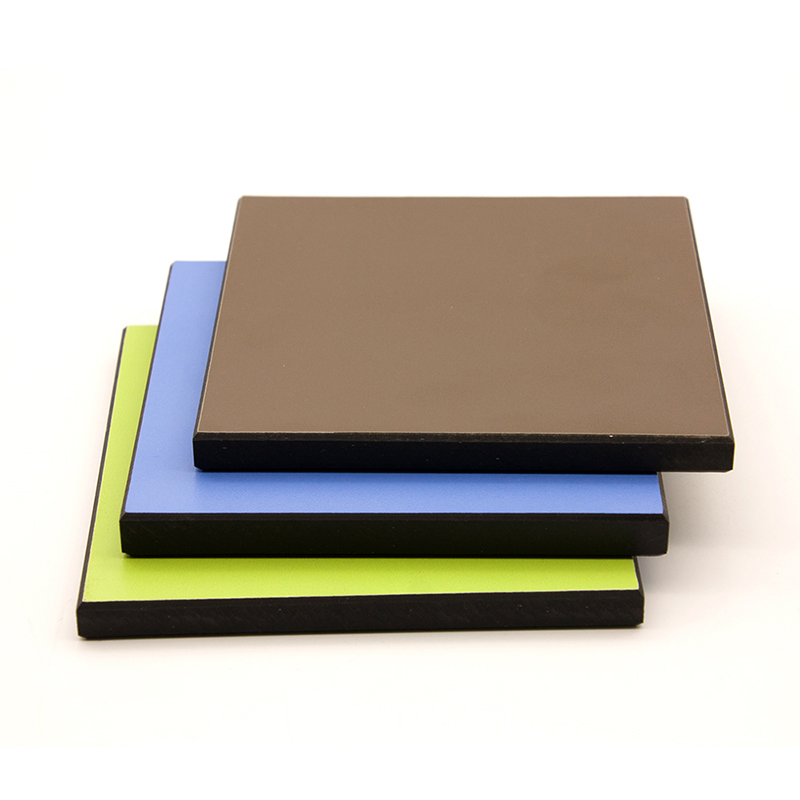
Phenolic laminate is a
high-pressure laminate (HPL) crafted by fusing layers of kraft paper soaked in phenolic resin under intense heat and pressure. Topped with a decorative melamine layer, it’s a dense, non-porous powerhouse that’s as tough as it is stylish—perfect for modern needs.
Why Choose Phenolic Laminate? Key Features and Benefits
1.Unmatched Durability
Scratches? Impacts? Wear? Phenolic laminate laughs them off. Its robust build ensures it lasts, even in the harshest settings.
2.Waterproof Wonder
Say goodbye to warping or swelling. Its moisture resistance makes it a top pick for kitchens, bathrooms, and outdoor projects.
3.Fire-Safe and Heat-Tolerant
With phenolic resin at its core, it resists flames and high heat—ideal for commercial kitchens or fire-rated doors.
4.Hygienic and Anti-Bacterial
Its non-porous surface blocks bacteria and fungi, making it a star in hospitals, labs, and food prep zones. Plus, it’s a breeze to clean.
5.Chemical-Proof
Acids, solvents, and harsh chemicals don’t stand a chance, securing its spot in labs and industrial spaces.
6.Design Freedom
From wood-grain to stone looks, phenolic laminate comes in endless colors and finishes—beauty meets brawn.
Where Phenolic Laminate Shines: Applications
Healthcare: Sterile furniture, lab worktops, and operating room surfaces.
Electronics: Insulation for circuit boards and heat-resistant enclosures.
Construction: Sleek wall cladding, countertops, and partitions for offices or hotels.
Furniture: Durable tables, shelves, and cabinets with a premium vibe.
Transportation: Lightweight, weatherproof panels for trains, planes, and cars.
Phenolic Laminate vs. Traditional Materials
| Feature | Phenolic Laminate | Plywood | MDF | Natural Wood |
| Moisture Resistance | Excellent | Moderate | Low | Low |
| Fire Resistance | High | Low | Low | Moderate |
| Chemical Resistance | High | Low | Low | Low |
| Durability | High | Moderate | Low | Moderate |
| Maintenance | Low | Moderate | High | High |
Challenges and What’s Next
Phenolic laminate isn’t flawless. It costs more upfront than plywood or MDF, isn’t easily recyclable, and needs specialized tools for cutting. But the future looks bright: eco-friendly resins and sustainable production methods are on the rise, promising greener options ahead.
Conclusion
Phenolic laminate board isn’t just a material—it’s a solution. Its durability, versatility, and resistance to water, fire, and chemicals make it a standout for healthcare, construction, furniture, and beyond. As innovation pushes forward, expect this powerhouse to become even more sustainable and essential.
 Русский
 English
 العربية
 Français
 Español
 Português
 Deutsch
 italiano
 日本語
日本語 한국어
한국어 Nederlands
 Tiếng Việt
 ไทย
ไทย Polski
 Türkçe
 አማርኛ
አማርኛ Bahasa Melayu
 தமிழ்
தமிழ் Filipino
 Bahasa Indonesia
 magyar
 Română
 Монгол
 қазақ
қазақ Српски
 हिन्दी
 فارسی
فارسی Kiswahili
 Slovenčina
 Slovenščina
 Svenska
 українська
 Ελληνικά
 Suomi
Suomi Հայերեն
 עברית
עברית اردو
اردو Shqip
Shqip বাংলা
বাংলা Hrvatski
 Afrikaans
 Māori
Māori සිංහල
සිංහල Oʻzbekcha
 latviešu
 Беларуская мова
 Bosanski
 Български
 ქართული
 Lietuvių
 Malti
Malti Runasimi