What Is the Cutting Method for Phenolic Laminate Board?
Phenolic laminate board, also known as solid phenolic board, compact laminate board, phenolic compact board, HPL phenolic board, or high-pressure laminate compact panel, is widely used in construction, interior design, exterior wall cladding, toilet partitions, laboratory countertops, commercial furniture, ceilings, wall panels, and high-traffic public spaces.
Because phenolic laminate board has a dense resin-based structure and high hardness, cutting it requires the correct tools, cutting direction, feed speed, blade type, support method, and edge finishing process. If the cutting method is wrong, common problems such as burrs, rough edges, cracks, chips, overheating, tool wear, inaccurate cuts, and surface damage may occur.
This guide explains what phenolic laminate board is, the best manual and machine cutting methods, common cutting problems and solutions, safety precautions, tool selection, post-cut surface protection, finishing tips, and FAQ for contractors, fabricators, furniture manufacturers, and project installers.
What Is Phenolic Laminate Board?
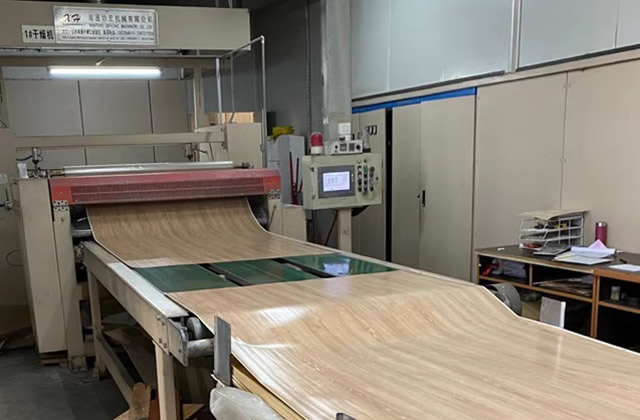
Before choosing a cutting method, it is important to understand the material structure. Phenolic Laminate Board, sometimes called solid phenolic board, is a high-pressure laminate panel composed of multiple layers of kraft paper, decorative color paper, and phenolic resin. The layers are compressed under high temperature and high pressure to form a rigid, dense, and highly durable board.
Phenolic laminate boards are harder and denser than many ordinary wood-based panels. This gives them excellent durability, moisture resistance, fire-retardant performance, sound insulation, heat resistance, and impact resistance, but it also means that cutting requires sharper tools and more controlled processing.
These boards are commonly used for:
Exterior wall cladding: Durable facade panels and outdoor architectural surfaces.
Interior partitions: Strong and cleanable panels for commercial interiors.
Toilet cubicles: Waterproof compact laminate panels for public restrooms.
Laboratory countertops: Chemical-resistant and impact-resistant work surfaces.
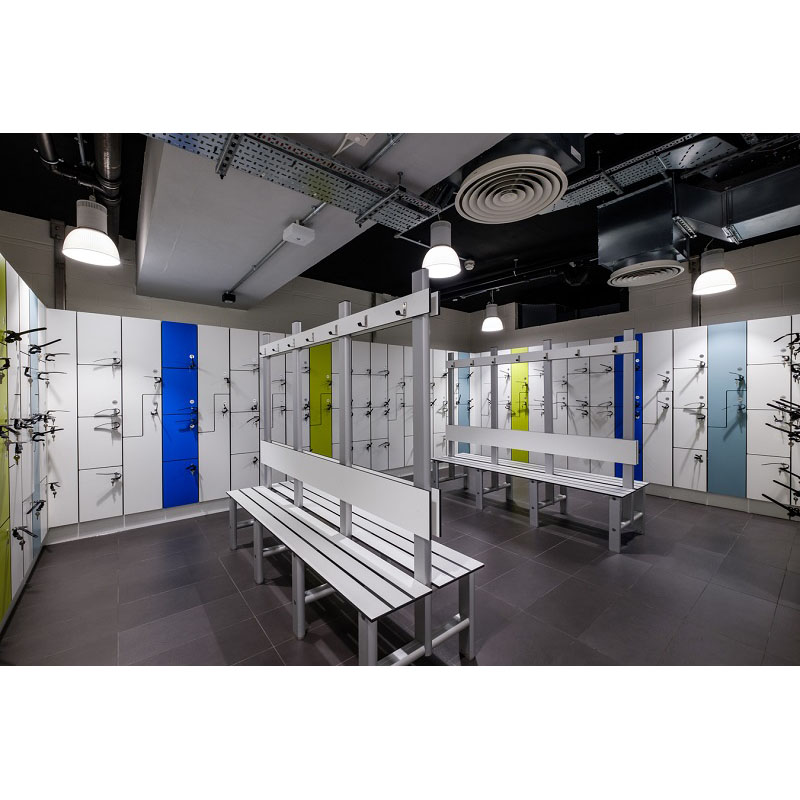
Commercial furniture: Desks, cabinets, lockers, counters, and public-use furniture.
Manual Cutting Methods for Phenolic Laminate Board
Manual cutting is suitable for small quantities, site adjustments, short cuts, repair work, and low-volume fabrication. However, because phenolic laminate board is dense and hard, manual cutting must be done slowly and carefully to avoid cracks, edge chipping, and rough finishes.
Hand Saw or Jigsaw Cutting
A fine-toothed hand saw or jigsaw can be used for short cuts, small openings, curves, and on-site modifications. For best results, use a fine-tooth blade designed for laminate, HPL, plastic laminate, or hard composite panels.
Avoid excessive force during cutting. Too much pressure may crack the resin layer, damage the decorative surface, or create rough edges. The board should be fully supported and clamped before cutting to reduce vibration.
Circular Saw or Electric Saw Cutting
A circular saw with a sharp carbide-tipped blade is a better manual method for straight and long cuts. It provides cleaner results than a hand saw when the blade is sharp, the cutting speed is controlled, and the board is properly supported.
For phenolic compact laminate cutting, a guide rail, straightedge, or cutting fence is recommended to maintain accuracy and reduce edge vibration.
Manual Cutting Tips
Use sharp fine-tooth or carbide-tipped blades suitable for HPL and compact laminate.
Apply low and consistent pressure instead of forcing the blade through the board.
Use clamps to stabilize the board and prevent movement during cutting.
Apply masking tape along the cutting line to reduce chipping on the decorative surface.
Support the entire board properly to minimize vibration and cracking.
Make a test cut on scrap material before cutting the final panel.
Machine Cutting Methods for Phenolic Laminate Board
For high-volume production, strict size tolerance, clean edges, and repeatable results, machine cutting is the preferred method. CNC cutting, panel saw cutting, table saw cutting, and calibrated routing can improve precision and reduce waste.
CNC Cutting for Phenolic Laminate Board
CNC routers are highly accurate and can follow complex cutting paths, drilling patterns, grooves, openings, curves, and custom shapes. CNC cutting is ideal for toilet partitions, laboratory countertops, furniture components, wall cladding panels, doors, lockers, and architectural elements.
Automated and repeatable cutting process.
Excellent dimensional accuracy for batch production.
Good edge quality when the correct bit, speed, and feed rate are used.
Suitable for holes, cutouts, curves, slots, and special panel shapes.
Panel Saw Cutting
A panel saw is suitable for straight, clean, and accurate cuts. It is commonly used in furniture factories, laminate processing workshops, partition production, and cabinet manufacturing where dimensional accuracy is important.
For better cutting quality, use a sharp carbide blade or diamond blade, keep the board stable, and use a scoring blade if available to reduce surface chipping.
Laser Cutting
Laser cutting can create detailed shapes, but it is not always the preferred method for phenolic laminate board because the resin content may cause burn marks, dark edges, smoke, odor, or heat-affected zones. If laser cutting is used, proper calibration, ventilation, and sample testing are necessary.
Machine Cutting Tips
Calibrate the machine before cutting to ensure dimensional accuracy.
Choose the correct cutting speed, spindle speed, blade height, and feed rate.
Use dust extraction systems to improve visibility, safety, and tool life.
Regularly sharpen or replace blades, router bits, and cutting tools.
Support panels fully to avoid vibration, bending, and edge damage.
Test cut a sample before bulk cutting or production runs.
Common Cutting Problems with Phenolic Laminate Board
Even with suitable equipment, cutting defects may happen if the blade is dull, the feed rate is too fast, the panel is not supported, or the cutting direction is wrong. The following problems are common when processing phenolic compact laminate and HPL phenolic board.
Problem 1: Burrs and Rough Edges
Why it happens: Burrs and rough edges are usually caused by dull blades, incorrect cutting direction, insufficient support, excessive vibration, or unsuitable tooth geometry.
Solution:
Use sharp, high-quality carbide-tipped or diamond blades designed for HPL and compact laminate.
Use a scoring blade or masking tape to reduce decorative surface chipping.
Cut with the decorative side facing down when using many circular saw setups, unless the tool manufacturer recommends otherwise.
Sand the cut edge lightly with fine-grit sandpaper after cutting.
Use a guide rail or fence to keep the cutting line stable.
Problem 2: Cracks and Chips
Why it happens: Cracks and chips may result from excessive pressure, fast feed speed, poor support, blunt tools, vibration, or cutting too close to an unsupported edge.
Solution:
Use a slow and steady feed rate.
Pre-score the cutting line with a sharp knife where appropriate.
Support the board fully to minimize vibration and flexing.
Use fine-tooth carbide blades or diamond tools for clean cutting.
Avoid forcing the tool through the board.
Problem 3: Tool Wear and Overheating
Why it happens: Phenolic laminate board is dense and resin-rich, so it wears blades and router bits faster than ordinary MDF, plywood, or particle board. Excess friction can also generate heat and reduce edge quality.
Solution:
Use diamond or carbide blades designed for HPL, phenolic board, or compact laminate.
Allow tools to cool periodically during long cutting sessions.
Maintain tools through regular sharpening or replacement.
Use appropriate feed speed to avoid burning or melting the resin surface.
Use dust extraction to reduce heat, debris, and tool stress.
Problem 4: Inaccurate Cuts
Why it happens: Inaccurate cuts are usually caused by incorrect measurement, machine misalignment, unstable support, panel movement, cutting without a guide rail, or failure to test the setup before final production.
Solution:
Use a guide rail, straightedge, fence, or CNC positioning system.
Double-check all measurements before cutting.
Mark cutting lines clearly with pencil, chalk, or masking tape.
Clamp the board firmly before cutting.
Make a test cut on scrap material before cutting the final phenolic board.
Phenolic Laminate Board Cutting Problems and Solutions Table
| Cutting Problem | Main Cause | Best Solution |
| Burrs and Rough Edges | Dull blade, wrong cutting direction, poor support, vibration. | Use sharp carbide or diamond blade, guide rail, masking tape, and post-cut sanding. |
| Cracks and Chips | Excessive pressure, fast feed rate, unsupported board, blunt tools. | Use slow feed rate, pre-score line, full support, and fine-tooth cutting tools. |
| Tool Wear | Dense phenolic core and resin content increase tool abrasion. | Use HPL-rated carbide or diamond tools and replace or sharpen regularly. |
| Overheating | High friction, wrong feed speed, dull blade, poor dust extraction. | Control feed rate, cool tools periodically, and use dust extraction. |
| Inaccurate Cuts | Measurement error, machine misalignment, panel movement. | Double-check measurements, clamp the panel, use guide rails, and test cut first. |
Safety Precautions During Cutting
Safety is essential when cutting phenolic laminate boards because cutting can create sharp edges, flying chips, fine dust, noise, and tool heat. Always prepare the workspace and wear suitable protective equipment.
Wear protective gloves to avoid cuts from sharp panel edges.
Use safety goggles to protect eyes from flying chips and dust.
Wear a dust mask or respirator when cutting, sanding, or routing.
Keep the workspace well-ventilated and clear of debris.
Use clamps, guide rails, push blocks, and supports to keep hands away from the cutting path.
Connect dust extraction equipment when using saws, routers, or CNC machines.
Check that all tools are properly installed and guarded before operation.
Proper Tool Selection for Cutting Phenolic Laminate Boards
Choosing the correct cutting tool is one of the most important factors for clean edges, accurate dimensions, reduced waste, and longer tool life. Phenolic laminate board is not a soft wood-based board, so ordinary dull woodworking blades may cause poor results.
Recommended Cutting Tools
Circular saw with carbide-tipped blade: Suitable for straight cuts and on-site cutting.
Jigsaw with fine-tooth blade: Suitable for small cuts, curves, and adjustments.
CNC router with solid carbide bit: Suitable for precision holes, cutouts, grooves, and batch production.
Table saw with scoring blade: Suitable for clean straight cuts and reduced decorative surface chipping.
Panel saw: Suitable for large panels, straight cuts, and furniture production.
Diamond blade or diamond tooling: Suitable for high-volume processing and longer tool life.
Surface Protection After Cutting
After cutting phenolic laminate board, the exposed edges and surfaces should be protected to improve safety, appearance, moisture resistance, and long-term performance.
Best Practices for Post-Cutting Protection
Seal or finish exposed edges when required by the application.
Use melamine, matching edge banding, or compatible edge protection if the design requires it.
Sand cut edges lightly to remove sharpness and improve hand feel.
Avoid storing cut boards in direct sunlight, rain, or high-humidity environments.
Keep panels flat and properly supported during storage.
Additional Finishing Tips for a Professional Result
Good finishing improves the appearance and performance of phenolic laminate board after cutting. It is especially important for visible edges, public-use panels, furniture surfaces, and wet-area installations.
Use color-matched filler for small chips or imperfections where appropriate.
Polish exposed edges with fine sandpaper or a polishing wheel.
Use silicone, compatible sealant, or edge trims for wet-area joints.
Ensure flush alignment during installation to avoid uneven seams.
Clean cutting dust and residue before final assembly or sealing.
Applications Requiring Precision Cutting
Some applications require especially accurate cutting because edge quality, waterproofing, hardware fitting, and visual appearance directly affect performance.
Restroom cubicles: Accurate cutting is needed for waterproofing, hardware fixing, and tight panel fit.
Laboratory countertops: Precise cutouts are required for sinks, taps, fixtures, and chemical-resistant work surfaces.
Kitchen cabinets: Clean cutting supports accurate door alignment and better decorative appearance.
Commercial furniture: Uniform cuts improve safety, consistency, and professional finish.
Exterior wall cladding: Accurate panel dimensions help maintain expansion gaps, alignment, and facade performance.
Lockers and partitions: Precise drilling and cutting improve assembly, hardware stability, and long-term durability.
Final Thoughts: Mastering the Cutting of Phenolic Laminate Boards
Cutting phenolic laminate board may seem challenging because of its dense core and resin-based structure, but the process becomes manageable with the correct tools, stable support, controlled cutting speed, sharp blades, and proper finishing methods.
Manual cutting is suitable for small jobs and on-site adjustments, while machine cutting is better for precision, large quantities, and professional production. CNC routers, panel saws, carbide blades, diamond tools, guide rails, and dust extraction systems can greatly improve cutting results.
To achieve smooth edges and accurate cuts, prevent burrs and cracks with sharp tools, proper feed rate, full board support, and careful post-cut sanding or polishing. Always follow safety procedures and protect the surface after cutting to preserve the board’s durability and appearance.
FAQ About Cutting Phenolic Laminate Board
What is the best cutting method for phenolic laminate board?
The best cutting method depends on the project. For professional and high-volume work, CNC cutting or panel saw cutting provides the best accuracy and edge quality. For small jobs, a circular saw with a sharp carbide-tipped blade can work well.
Can phenolic laminate board be cut with a circular saw?
Yes. Phenolic laminate board can be cut with a circular saw if you use a sharp carbide-tipped blade, guide rail, stable support, and controlled feed speed. Masking tape and scoring can help reduce edge chipping.
Can phenolic laminate board be cut manually?
Yes, manual cutting is possible for small quantities or minor adjustments. A fine-tooth hand saw, jigsaw, or circular saw can be used, but the board must be clamped and supported to prevent cracks, rough edges, and inaccurate cuts.
Why does phenolic laminate board chip during cutting?
Chipping is usually caused by dull blades, fast feed speed, excessive pressure, poor support, vibration, or cutting from the wrong side. Use sharp carbide or diamond blades, stable support, masking tape, scoring, and a slower feed rate.
What blade is best for cutting phenolic compact laminate?
A sharp carbide-tipped blade or diamond blade designed for HPL, compact laminate, or hard composite panels is recommended. Fine-tooth blades and scoring blades can improve edge quality and reduce decorative surface chipping.
How do you prevent burrs on phenolic laminate board edges?
To prevent burrs, use sharp cutting tools, a guide rail, stable support, correct cutting direction, proper feed rate, and dust extraction. After cutting, lightly sand or polish the edges with fine-grit sandpaper.
Is CNC cutting suitable for phenolic laminate board?
Yes. CNC cutting is highly suitable for phenolic laminate board because it provides precision, repeatability, clean edges, and complex shape capability. It is ideal for lab countertops, partitions, lockers, furniture panels, and architectural components.
Can laser cutting be used for phenolic laminate board?
Laser cutting can be used in some cases, but it may cause burn marks, dark edges, smoke, or heat damage because of the resin content. CNC routing or saw cutting is usually preferred for clean structural fabrication.
How should cut edges be finished after cutting phenolic board?
Cut edges should be sanded, polished, chamfered, sealed, or finished with matching edge banding depending on the application. Wet areas may require compatible sealant or edge protection to improve long-term moisture resistance.
What safety equipment is needed when cutting phenolic laminate board?
Wear safety goggles, gloves, a dust mask or respirator, and hearing protection where necessary. Use clamps, push blocks, guide rails, dust extraction, and a clean workspace to reduce cutting risks.
 Русский
 English
 العربية
 Français
 Español
 Português
 Deutsch
 italiano
 日本語
日本語 한국어
한국어 Nederlands
 Tiếng Việt
 ไทย
ไทย Polski
 Türkçe
 አማርኛ
አማርኛ Bahasa Melayu
 தமிழ்
தமிழ் Filipino
 Bahasa Indonesia
 magyar
 Română
 Монгол
 қазақ
қазақ Српски
 हिन्दी
 فارسی
فارسی Kiswahili
 Slovenčina
 Slovenščina
 Svenska
 українська
 Ελληνικά
 Suomi
Suomi Հայերեն
 עברית
עברית اردو
اردو Shqip
Shqip বাংলা
বাংলা Hrvatski
 Afrikaans
 Māori
Māori සිංහල
සිංහල Oʻzbekcha
 latviešu
 Беларуская мова
 Bosanski
 Български
 ქართული
 Lietuvių
 Malti
Malti Runasimi